Oil Surges as US-Iran Conflict Spreads, Hormuz Tankers Hit
Crude prices spike after tankers are struck in the Strait of Hormuz amid a widening US-Iran military confrontation rattling Asian markets.
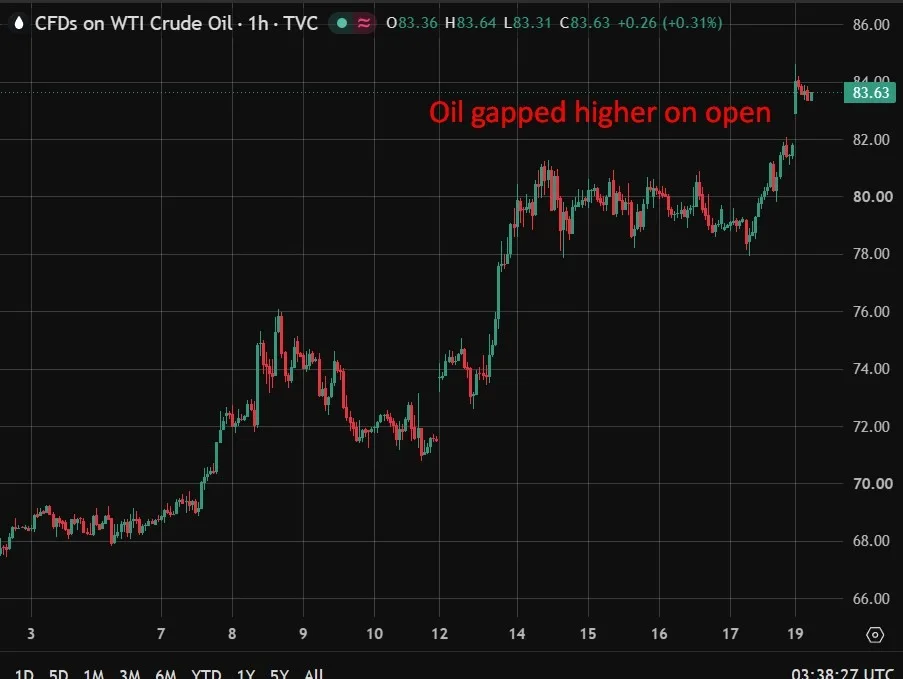
The geopolitical fault lines running through the Middle East cracked open further this week as Iran reported two tankers were mined and destroyed in the Strait of Hormuz, while the United Kingdom Maritime Trade Operations confirmed a vessel on fire in the same waterway. The incidents arrived alongside reports that the United States launched its ninth consecutive night of strikes against Iran, with missiles reportedly fired from Kuwait — a sharp escalation signal that sent crude oil prices gapping higher at the start of the trading week.
For Asian markets, the ripple effects were immediate and multidimensional. MUFG analysts warned that a sustained oil rebound would put meaningful pressure on oil-importing Asian currencies, singling out the Indian rupee as particularly vulnerable. The yen added another layer of complexity: with Tokyo markets thinned by a public holiday, traders were placed on intervention watch, given that reduced liquidity is historically the kind of environment Japan's Ministry of Finance has used to move the currency.
Read more Micron Stock Slides Toward Worst Monthly Loss in Over a Decade →
A US official cited in reporting warned that the Trump administration is actively planning for a broader war with Iran as military buildups accelerate — language that markets tend to treat as a structural risk premium, not a transient spike. The Strait of Hormuz is the world's most critical oil chokepoint, and any sustained disruption there would challenge global supply assumptions in ways that extend well beyond near-term crude prices.
Elsewhere in Asia, Beijing moved to stabilize equity markets after a bruising slide in tech shares, with regulators calling a stability meeting and state buyers reportedly stepping in. China also held its loan prime rates steady — the one-year LPR at 3.0% and the five-year at 3.5% — a decision read as balancing slowing growth against a firming yuan. South Korea separately announced plans to ease access to the won, aiming for freely convertible currency status, a structural reform with long-term implications for the region's capital flows.
Continue reading at Forexlive.