Private Equity Eyes Budget Airlines After Apollo-EasyJet Deal
Apollo's move on EasyJet has signaled to private equity that low-cost carriers may be undervalued and ripe for acquisition.
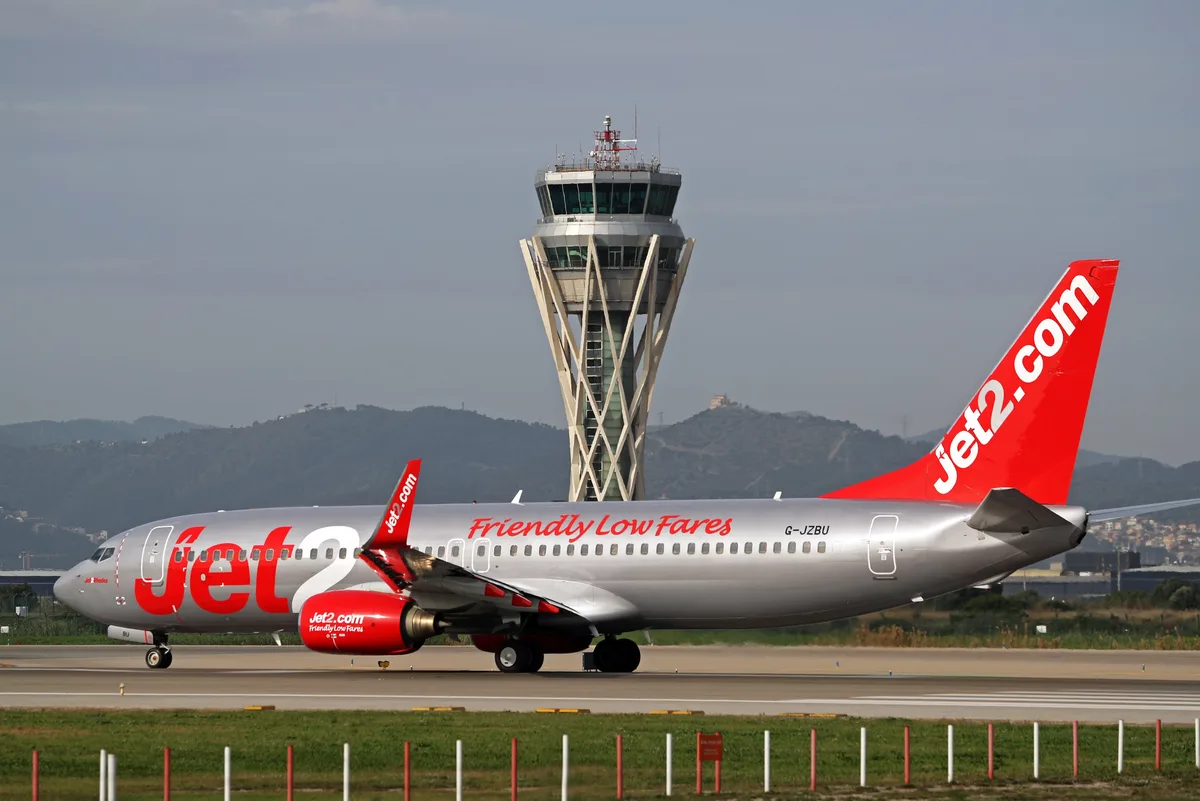
The Apollo Global Management deal with EasyJet appears to have opened a new chapter in aviation finance, drawing fresh attention from private equity firms to the low-cost carrier sector. Investors who have long viewed budget airlines as structurally challenged — squeezed between fuel costs, labor pressures, and thin margins — may be reassessing that calculus as valuations remain depressed relative to historical norms.
The logic behind private equity interest in this space is straightforward: budget carriers often hold significant tangible assets, including aircraft fleets and slot rights at congested airports, that can be restructured, monetized, or used as collateral to unlock value. When public markets underprice those assets, it creates the kind of arbitrage opportunity that buyout firms are built to exploit. Apollo's willingness to engage with EasyJet signals that at least one major firm sees that gap as real and actionable.
Read more OpenFX Acquires Global Ledger to Launch Multi-Currency Accounts for Fintechs →
The broader question now is which carrier might attract the next approach. The budget airline landscape across Europe and beyond includes several operators whose market capitalizations have struggled to recover fully in the post-pandemic environment, even as passenger demand has rebounded strongly. That disconnect between operational recovery and investor sentiment is precisely the condition private equity firms scan for when hunting targets.
Analysts and industry watchers will likely spend the coming weeks scrutinizing balance sheets, fleet ages, and route network strength across the sector. A successful transaction involving a well-known brand like EasyJet would validate the thesis and potentially accelerate interest in peers. The risk, of course, is that leverage-heavy buyout structures can leave airlines financially fragile if demand softens or fuel prices spike unexpectedly — a tension the industry knows all too well.
Continue reading at US Top News and Analysis.