Private Equity Eyes Utility Sector as AI Drives Grid Demand
Power-hungry AI data centers are pulling private equity into the utility space, reshaping how the grid gets funded and controlled.
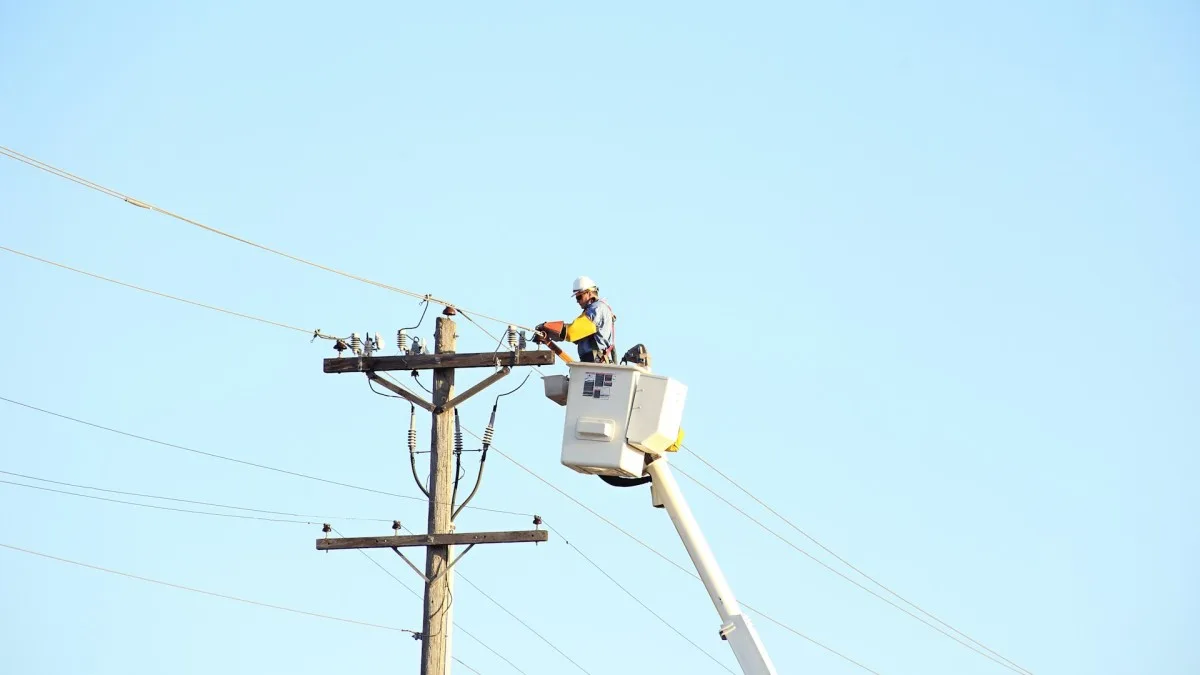
A quiet but consequential shift is underway in American energy infrastructure: private equity firms are increasingly targeting utility assets, drawn by the surging electricity demand that artificial intelligence data centers are generating. What was once a sleepy, regulated sector defined by stable but modest returns is beginning to look like a high-stakes growth opportunity to institutional investors with long time horizons and deep capital reserves.
The logic is straightforward. AI model training and inference require enormous, sustained amounts of power — far more than traditional commercial or industrial customers. That demand is translating into pressure on grid capacity that existing utilities, often constrained by regulatory approval cycles and public financing limits, may struggle to meet alone. Private capital sees a gap it can fill, and profit from, in the process.
Read more Nvidia Price Hike Signals Broader AI-Driven Inflation in Tech →
The implications extend well beyond investment returns. When private equity acquires or partners with utilities, questions of public accountability and rate-setting enter new terrain. Regulators accustomed to overseeing publicly traded or municipally owned utilities must now contend with ownership structures that prioritize investor returns alongside — or sometimes ahead of — consumer protection. That tension is likely to intensify as deals multiply.
For the broader economy, the trend signals that AI's infrastructure footprint is far larger than the data centers themselves. The capital requirements ripple outward into transmission lines, substations, generation capacity, and now into the ownership layer of the grid itself. Private equity's appetite for utilities is, in a real sense, a downstream consequence of the AI investment supercycle that has dominated financial markets in recent years.
Whether this influx of private capital accelerates grid modernization or complicates it remains an open question — one that regulators, ratepayers, and policymakers will be wrestling with for years to come. Continue reading at Yahoo Finance.