Putin Admits Fuel Shortages as Ukraine Strikes Hit Russian Energy
Putin's rare acknowledgment of fuel shortages reveals how Ukraine's deep-strike campaign is straining Russia's energy infrastructure.
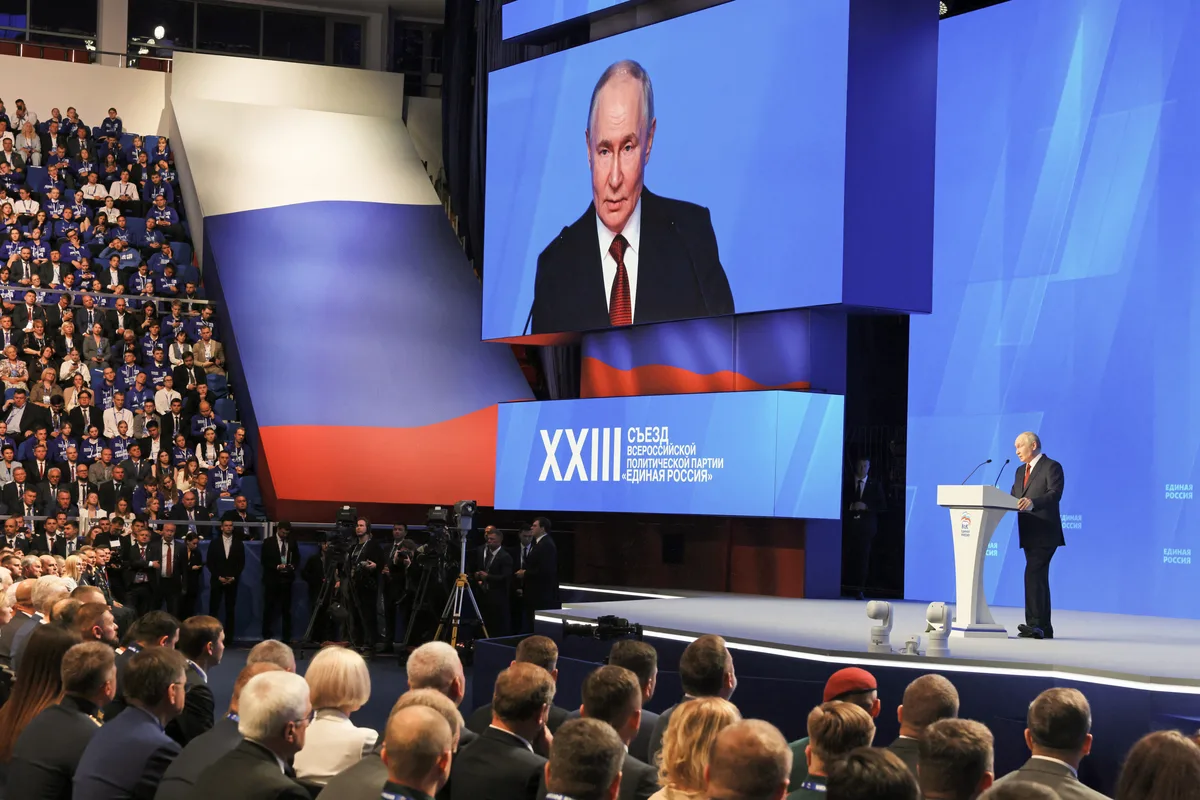
Russian President Vladimir Putin has publicly acknowledged that fuel shortages are affecting Russia's military and civilian operations — a striking admission that represents the most detailed concession yet from the Kremlin regarding the real-world consequences of Ukraine's expanding long-range strike capabilities. The significance of the statement lies not just in what was said, but in the fact that Putin said it at all: Russian leadership has consistently projected an image of resilience and self-sufficiency throughout the war.
Ukraine's deep-strike campaign, which has increasingly targeted refineries, fuel depots, and energy infrastructure deep inside Russian territory, appears to be achieving a strategic effect that battlefield attrition alone had not. By disrupting fuel production and distribution networks, Kyiv has found a pressure point that translates directly into logistical strain — both for frontline military units and for the broader Russian economy that sustains the war effort.
Read more U.S. and Iran Set for New Qatar Talks After Weekend Tensions →
Putin's admission carries analytical weight precisely because official Russian narratives rarely concede infrastructure vulnerabilities. When a leader who tightly controls information flow acknowledges a shortage publicly, it typically signals that the problem has grown too visible to deny — affecting ordinary Russians in ways that can no longer be managed through state media framing alone.
The timing also matters. As Western debates over long-range weapons supplies to Ukraine continue, evidence that deep-strike operations are producing measurable economic and logistical disruption inside Russia strengthens the strategic case for sustaining that capability. Energy infrastructure degradation is a slow-burn form of pressure, but Putin's own words now suggest it is registering at the highest levels of Russian decision-making.
What this admission does not reveal is the full scale of the damage or the timeline for recovery — details that would require independent verification Russia is unlikely to permit. Continue reading at US Top News and Analysis.