Regulators Race to Fill Crypto Rules Gap After Senate Stall
With the Clarity Act stalled in the Senate, state and federal regulators are moving quickly to establish their own crypto frameworks.
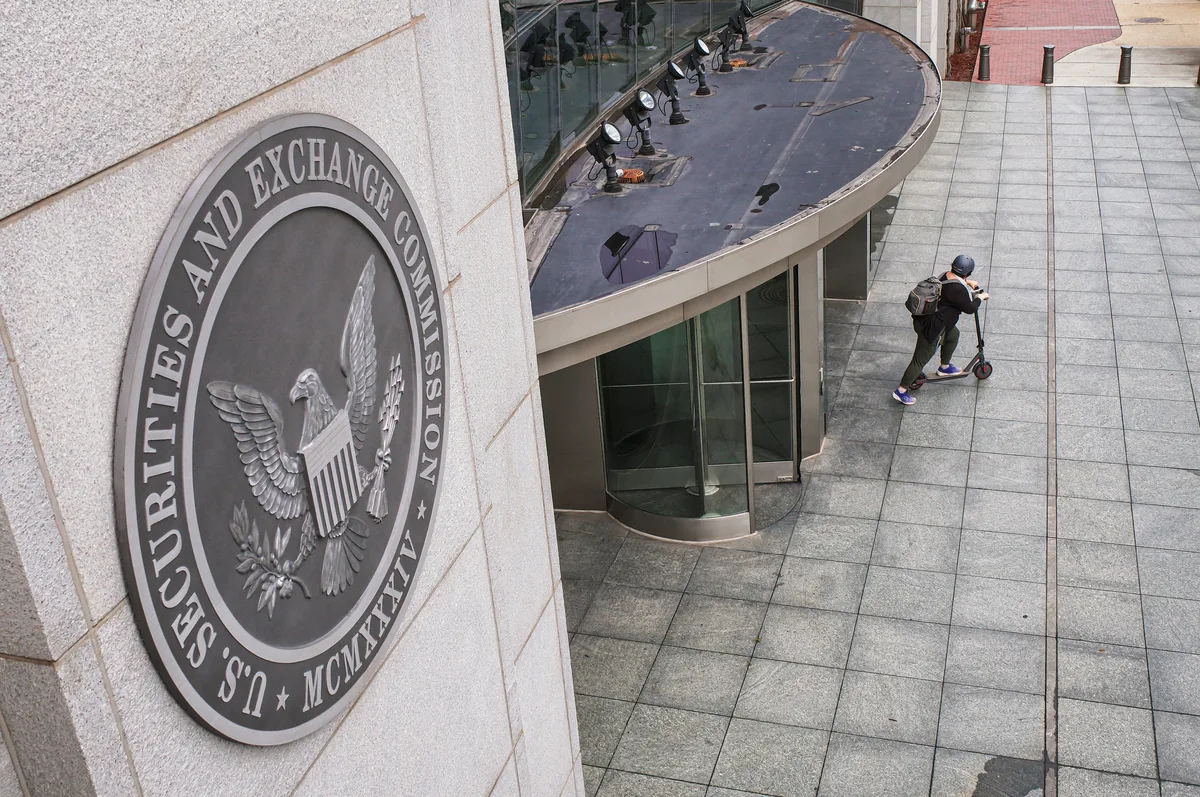
The collapse of legislative momentum around the Clarity Act has triggered an urgent regulatory scramble, with both state and federal agencies moving to assert jurisdiction over the fast-moving digital asset industry. Rather than waiting for Congress to hand down a unified framework, regulators appear determined to shape the rules themselves — a development with sweeping implications for how cryptocurrency markets will be governed in the United States.
The Clarity Act was designed to resolve one of the most contentious questions in crypto regulation: whether digital assets should be classified as securities, commodities, or something else entirely. That distinction determines which agency — the Securities and Exchange Commission or the Commodity Futures Trading Commission — holds primary oversight authority. Without a congressional mandate settling that question, both agencies are now operating in a gray zone, each with its own incentives to claim terrain.
Read more Jay Clayton Named Trump's AI Policy Czar, WSJ Reports →
The fragmented response that tends to emerge from regulatory competition can cut both ways for the industry. On one hand, a patchwork of state-level rules creates compliance burdens for firms operating across jurisdictions; on the other, it can open windows for regulatory arbitrage, where companies choose to domicile in friendlier states. For investors, the uncertainty represents a different kind of risk — one that is harder to price than market volatility.
What this moment underscores is a structural tension in American governance: executive agencies often move faster than Congress, but their rules are more legally vulnerable and can shift with each administration. Any crypto framework assembled through regulatory guidance rather than statute will remain provisional, subject to court challenges and political reversals. The industry, which has long lobbied for the legal certainty that only legislation can provide, may find that the post-Clarity Act landscape is more unstable than ever.
Continue reading at US Top News and Analysis