Rising Chip Costs Shift India's Smartphone Market Toward Apple, Samsung
Surging memory chip prices are squeezing Chinese smartphone brands in India, giving Apple and Samsung a meaningful competitive opening.
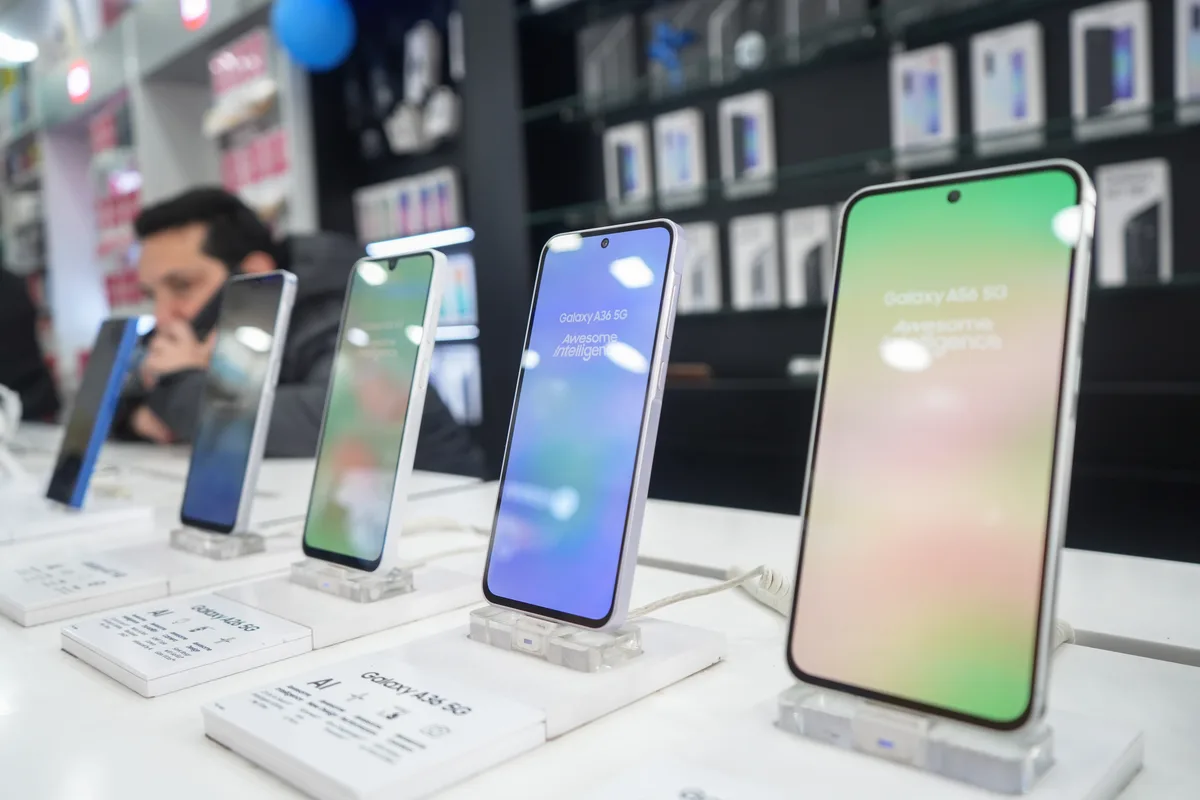
India's smartphone market, the second largest in the world, is undergoing a quiet but consequential realignment. Soaring memory chip costs are eroding the price advantage that Chinese brands like Xiaomi, Oppo, and Vivo have long relied upon to dominate the country's cost-conscious consumer base. As input costs rise, those brands face a difficult choice: absorb the margin hit or pass higher prices on to buyers — either path weakens their standing.
That squeeze, however, creates breathing room for rivals operating at the premium end of the market. Apple and Samsung, neither of which competes primarily on low price points, stand to benefit as the gap between budget Chinese devices and their own offerings narrows in the minds of Indian consumers. When a mid-range Chinese handset creeps toward a price point that puts an entry-level Samsung or refurbished iPhone within reach, the calculus for shoppers shifts meaningfully.
Read more Aurora Cannabis Shareholders Advised to Hold Off on Curaleaf Offer →
The structural dynamics here matter beyond any single earnings cycle. India has been a strategically critical battleground for global smartphone makers precisely because of its scale and its still-expanding middle class. Chinese brands built dominant share by offering aggressive specs at aggressive prices — a formula that memory chip inflation is now disrupting at the foundational level. Any sustained rise in component costs could accelerate a market-share redistribution that premium brands have sought for years but been unable to engineer on their own.
For Apple in particular, the timing aligns with its broader push to deepen manufacturing ties in India, a move that could further insulate its cost structure from the same pressures battering competitors. Samsung, already operating local production facilities, is similarly positioned to manage input-cost volatility better than import-dependent Chinese rivals. The chip squeeze, in this reading, is less a temporary disruption than a structural catalyst — one that may redraw competitive lines in the world's most consequential emerging smartphone market for years to come.
Continue reading at US Top News and Analysis.