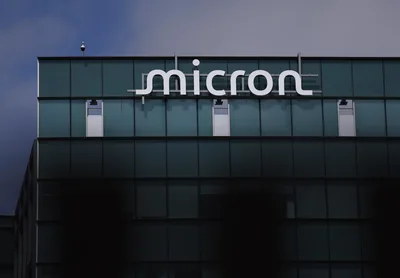
Samsung, SK Hynix Shares Drop 7% as Global Chip Selloff Deepens
South Korean chipmakers Samsung and SK Hynix shed more than 7% as a semiconductor selloff originating on Wall Street spread to Asian markets.

A sharp selloff in semiconductor stocks crossed the Pacific Thursday, dragging shares of South Korea's two dominant chipmakers down more than 7% in early trading. The decline signals that the pressure building in US chip equities has reached a critical mass sufficient to rattle markets far beyond American exchanges, underscoring just how tightly global semiconductor supply chains — and investor sentiment around them — are interconnected.
Samsung Electronics and SK Hynix sit at the heart of the global memory chip industry, supplying DRAM and NAND flash components to virtually every major consumer electronics and data center operator worldwide. When sentiment sours on chips in New York, the consequences reverberate almost immediately in Seoul, reflecting the sector's unified global investor base and the shared demand signals that drive valuations across borders.
Read more Micron Stock Slides Toward Worst Monthly Loss in Over a Decade →
The breadth of the move — striking both companies simultaneously and with roughly equal severity — suggests the selloff is driven by macro- or sector-level concerns rather than company-specific news. Analysts watching the chip cycle have flagged ongoing uncertainty around demand recovery timelines, inventory digestion, and the pace of AI-related hardware spending as persistent overhangs on valuations across the industry.
For investors, the synchronized drop is a reminder that exposure to semiconductor equities carries inherent cross-market risk. A correction that begins with US-listed chip names can translate almost overnight into significant losses in Korean won-denominated shares, leaving portfolios with little geographic cushion when the sector moves as one. The durability of this latest rout — whether it represents a short-term repricing or a deeper recalibration — will likely depend on forthcoming signals from major US technology firms on their hardware spending intentions.
Continue reading at US Top News and Analysis.