Securitize Drops 40% After SPAC Debut Despite Tokenization Buzz
BlackRock-backed Securitize saw its shares fall sharply after going public via SPAC, even as the tokenization sector draws surging investor interest.
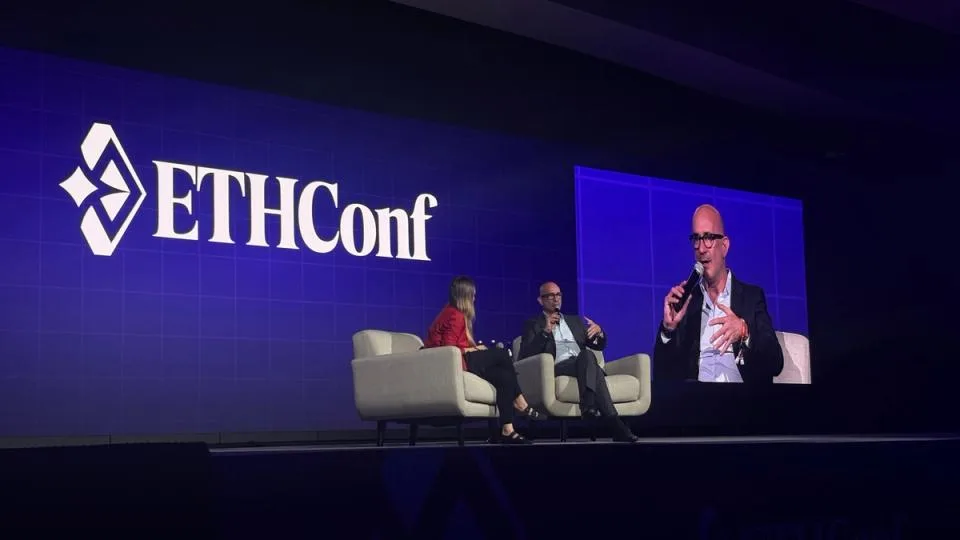
Securitize, the digital-assets securities platform backed by BlackRock, made a rough entrance into public markets, shedding roughly 40% of its value following its SPAC-based debut. The steep decline stands as a jarring contrast to the broader narrative around tokenization — the process of representing real-world assets like bonds and funds on blockchain networks — which has attracted billions of dollars in institutional attention over the past year.
The selloff illustrates a persistent tension in emerging financial technology: the gap between a compelling long-term thesis and the near-term economics of a business still finding its footing. SPAC vehicles, which allow companies to bypass a traditional IPO roadshow, have a mixed track record of accurately pricing early-stage firms, and post-merger drops of this magnitude are not unprecedented in the structure's history.
Read more Micron Stock Slides Toward Worst Monthly Loss in Over a Decade →
What makes the Securitize story particularly notable is its pedigree. BlackRock, the world's largest asset manager, has been among the most credible institutional voices endorsing tokenization as a transformative force in capital markets. The firm's BUIDL fund — a tokenized money-market product administered through Securitize — has been widely cited as evidence that mainstream adoption is no longer theoretical. A 40% public-market haircut, however, signals that investors are applying a far more skeptical valuation lens to the infrastructure layer of that ecosystem.
For the tokenization sector broadly, the Securitize debut serves as a calibration moment. Enthusiasm from asset managers and sovereign wealth funds has driven optimism, but the path from pilot programs to scalable, profitable businesses remains long and uncertain. Platforms operating in this space must still navigate regulatory ambiguity, thin secondary-market liquidity for tokenized products, and the challenge of persuading traditional finance to migrate legacy processes onto new rails.
The divergence between sector hype and individual-company performance is a pattern that has repeated across fintech cycles, from robo-advisors to crypto exchanges. Whether Securitize can close that gap will depend on how quickly institutional tokenization moves from proof-of-concept to core infrastructure — a timeline that Wall Street clearly isn't betting on just yet. Continue reading at CoinDesk.