Southwest Airlines Ships Jet Fuel by Sea From Texas to LA
Southwest chartered a vessel to move fuel from Houston to Los Angeles, an unprecedented move driven by supply chain anxiety.
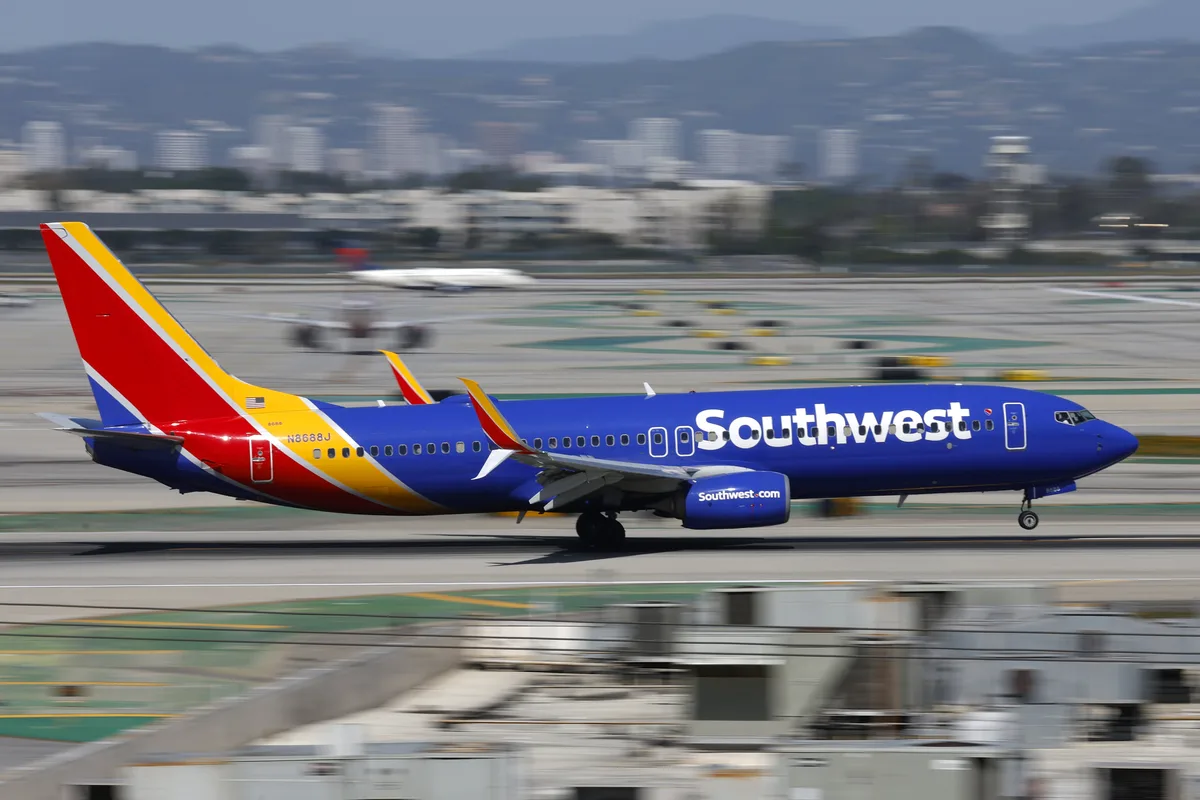
Southwest Airlines took an unusual logistical step this spring, chartering a ship to transport jet fuel from Houston, Texas, to Los Angeles — a route the carrier had never used before. The decision reflects a broader anxiety gripping the aviation industry about the reliability of traditional fuel supply chains, which have historically depended on pipelines, refineries, and overland distribution networks concentrated in specific regions.
Moving petroleum products by sea between domestic ports is not unheard of in the energy sector, but it is a notable departure for an airline that typically sources fuel through established regional suppliers. The fact that Southwest felt compelled to arrange its own maritime contingency underscores how seriously carriers are now stress-testing their operational resilience against potential disruptions.
Read more Ingredion Wins Tate & Lyle With 595p All-Cash Takeover Bid →
The strategic logic here is straightforward: Los Angeles is one of Southwest's highest-traffic markets, and any prolonged fuel shortage there could ground flights, strand passengers, and erode revenue at scale. By proactively securing an alternate supply line — even an expensive and unconventional one — the airline is essentially buying insurance against a scenario that, while not imminent, is no longer considered implausible by industry planners.
The move also signals a wider shift in how airlines are approaching infrastructure risk post-pandemic. Carriers that once relied entirely on just-in-time fuel procurement are now weighing the costs of redundancy against the costs of being caught flat-footed. Southwest's sea-freight experiment may set a quiet precedent for how major carriers hedge against regional supply volatility going forward.
Continue reading at US Top News and Analysis.