SpaceX Rejoins $2 Trillion Club After Two-Month Absence
SpaceX has reclaimed a $2 trillion valuation, lifted by analyst praise and a broader tech sector recovery.
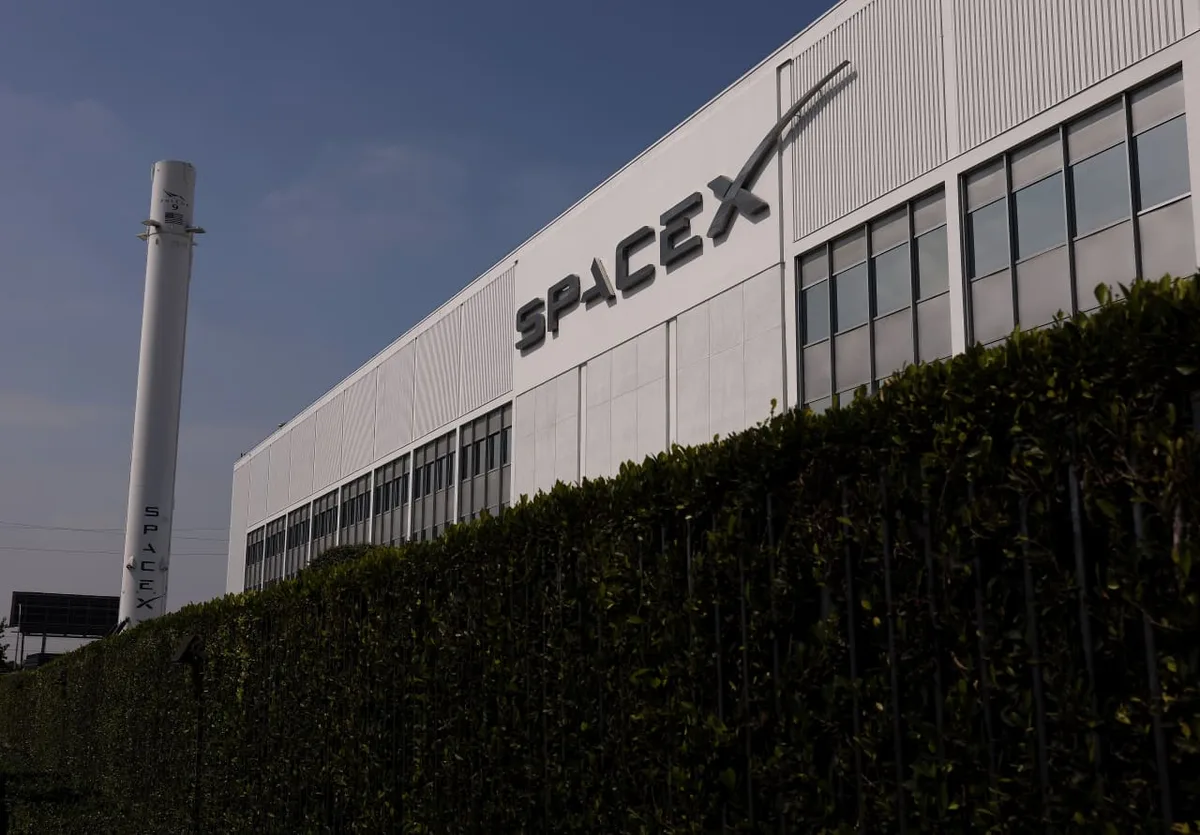
SpaceX has climbed back into the rarefied air of the $2 trillion valuation club, recouping a standing it had lost for nearly two months. The milestone puts Elon Musk's rocket and satellite company back among an extraordinarily small group of enterprises to have ever reached that threshold, a tier historically occupied by only the most dominant publicly traded tech giants — though SpaceX itself remains privately held.
Two forces appear to be driving the rebound. Analysts have renewed their enthusiasm for the company, offering favorable assessments that have bolstered investor sentiment in private markets. At the same time, SpaceX has benefited from a broader tailwind sweeping across the technology sector, which has staged a notable recovery after a period of turbulence tied to macroeconomic uncertainty and shifting risk appetite among institutional investors.
Read more Franklin Templeton AUM Climbs to $1.83 Trillion in August 2026 →
The significance of SpaceX crossing the $2 trillion mark again extends beyond a simple number. For a private company, such a valuation is a statement of market confidence in its long-term trajectory — encompassing its Starlink satellite internet business, its Starship development program, and its dominance in commercial launch services. Each of those units carries its own growth narrative, and together they make SpaceX one of the most consequential private enterprises in modern economic history.
What makes this recovery analytically interesting is its timing. The broader tech bounce suggests investors are recalibrating their outlook on growth assets, willing once again to price in ambitious future cash flows rather than retreat to defensives. SpaceX, sitting at the intersection of defense contracts, consumer broadband, and deep-space ambition, is well-positioned to absorb that renewed appetite. Whether the $2 trillion level holds will likely depend on continued execution and the macro environment remaining cooperative.
Continue reading at MarketWatch.com