Stocks and Bonds Swing Wildly on Fed Day as Market Buffers Thin
Major indexes posted their worst Fed Day showing since December 2024, while long-bond yields surged and market cushions vanished.
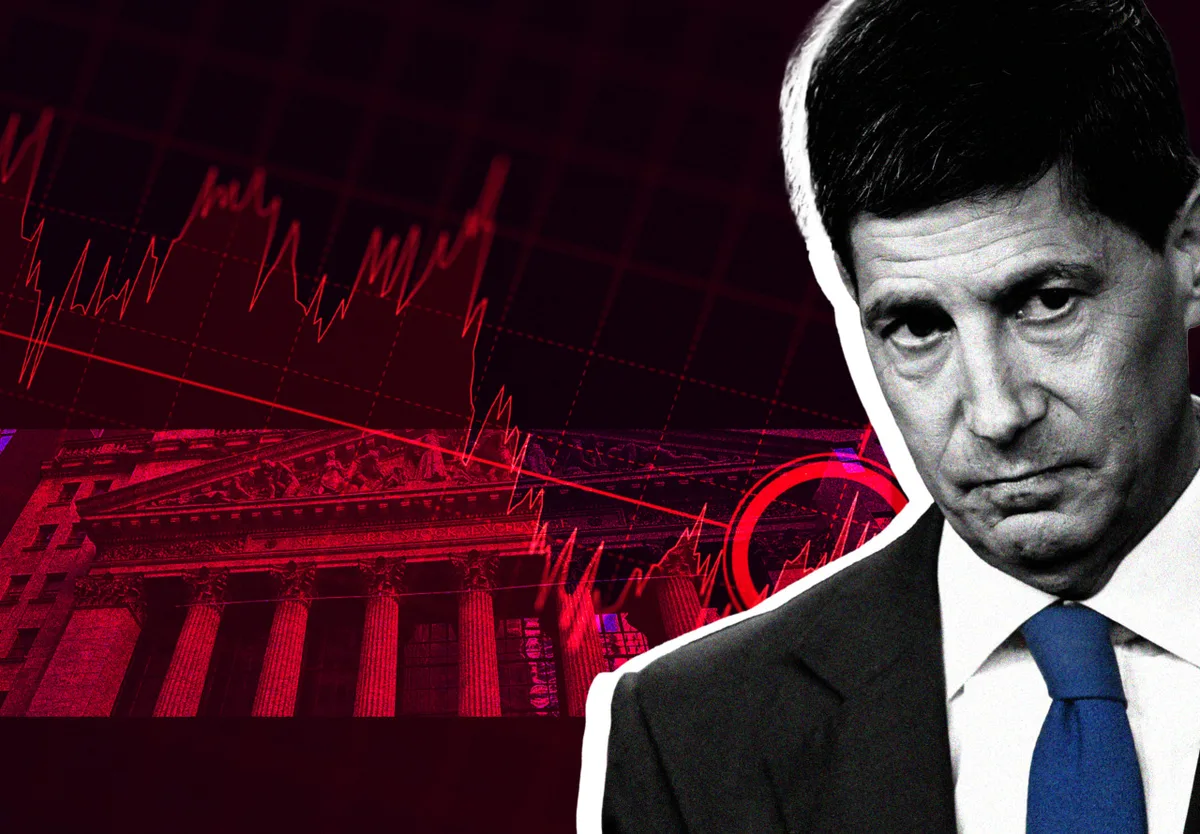
Wednesday's Federal Reserve decision day turned into one of the more turbulent sessions Wall Street has experienced in recent months, with major equity indexes recording their worst Fed Day performance since December 2024. The dual selloff in both stocks and bonds — assets that traditionally move in opposite directions — underscored a growing anxiety about the market's ability to absorb policy shocks without a meaningful buffer in place.
The 30-year Treasury yield's sharp move higher was particularly telling. Long-duration bonds have historically served as a hedge when equities falter, but when both asset classes decline simultaneously, it signals that investors are not simply rotating between risk-on and risk-off positions — they may be reducing exposure altogether. That dynamic erodes the so-called "crash cushion" that diversified portfolios rely on during periods of institutional stress.
Read more Tim Cook's Final Earnings Call Arrives at a Pivotal Moment for Apple →
The phrase "crash cushion" refers loosely to the protective capacity built into markets when volatility is low, liquidity is deep, and correlations between asset classes behave predictably. When that cushion evaporates — as it appeared to on this particular Fed Day — even modest policy surprises can produce outsized price swings. The Federal Reserve's communications, whether in the rate decision itself or in Chair commentary, carry amplified weight in such an environment.
What makes this episode analytically significant is its timing. Markets had already been navigating a complex backdrop of sticky inflation readings, uneven economic data, and unresolved questions about the pace of any future rate cuts. A volatile Fed Day in this context is less a one-off anomaly and more a stress test revealing just how thin the market's tolerance for uncertainty has become. Traders and portfolio managers will likely spend the coming sessions reassessing their positioning in light of how dramatically sentiment can shift in a single afternoon.
Continue reading at MarketWatch.com