Tesla Stock Drops Despite Record Deliveries: What's Behind the Selloff
Tesla posted blowout Q2 delivery numbers of 480,126 EVs, yet shares still fell sharply — a paradox worth unpacking.
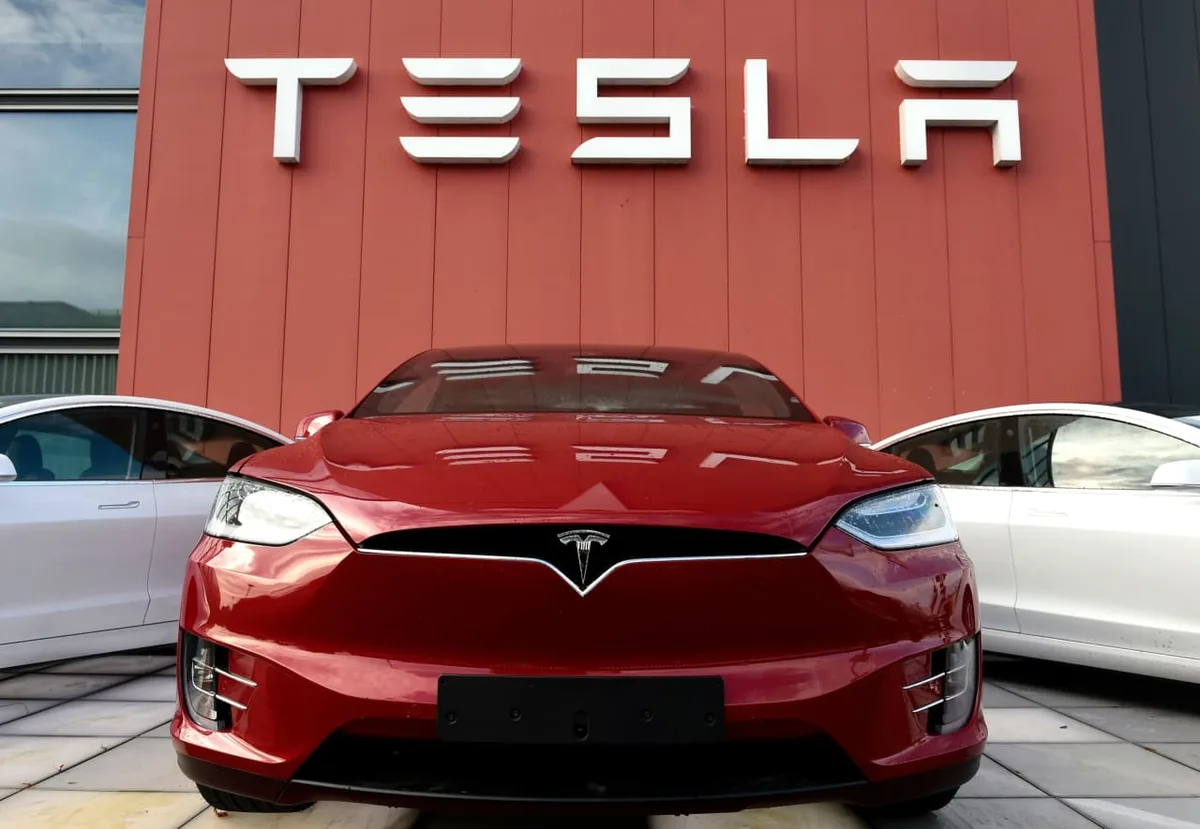
Wall Street has long treated Tesla less like a traditional automaker and more like a high-growth technology story, which means the rules governing how investors react to its results are rarely straightforward. When Tesla reported shipping 480,126 electric vehicles in its most recent quarter — a figure that exceeded even the most optimistic analyst forecasts — the natural expectation would have been a rally. Instead, the stock recorded its worst single-day decline in roughly a year, a reaction that reveals more about market psychology than about the company's operational health.
The phenomenon is sometimes called "sell the news" behavior, where traders who had already positioned themselves for a strong result use the confirmation as an exit opportunity. Tesla shares had been climbing in the weeks ahead of the delivery report, meaning much of the good news was already embedded in the price by the time the official figures arrived. When the actual numbers cleared the bar but failed to catalyze a new upward narrative, profit-taking overwhelmed fresh buying interest.
Read more Micron Stock Slides Toward Worst Monthly Loss in Over a Decade →
There is also a deeper structural tension at play. Investors who monitor Tesla's financials closely know that delivery volume alone does not determine profitability — margins do. The company has spent the past several quarters engaged in an aggressive price-cutting strategy to defend market share against a growing field of domestic Chinese competitors and legacy automakers accelerating their own EV programs. Strong shipment counts achieved partly through discounting can actually signal margin compression rather than demand strength, a nuance the market appears to be pricing in.
Beyond the numbers themselves, sentiment around Tesla is shaped by a broader set of variables that few other companies face — CEO Elon Musk's political visibility, ongoing questions about the pace of autonomous driving development, and macroeconomic sensitivity among consumers considering large-ticket purchases. Any of these threads can amplify or undercut what the delivery data alone might suggest. A blowout quarter, in other words, is necessary but no longer sufficient to move Tesla's stock meaningfully higher in the current environment.
Continue reading at MarketWatch.com