Trump DOT Raises Alarm Over Ford's Chinese Business Ties
Transportation Secretary Sean Duffy sent Ford CEO Jim Farley a letter flagging serious concerns about the automaker's relationships with Chinese firms.
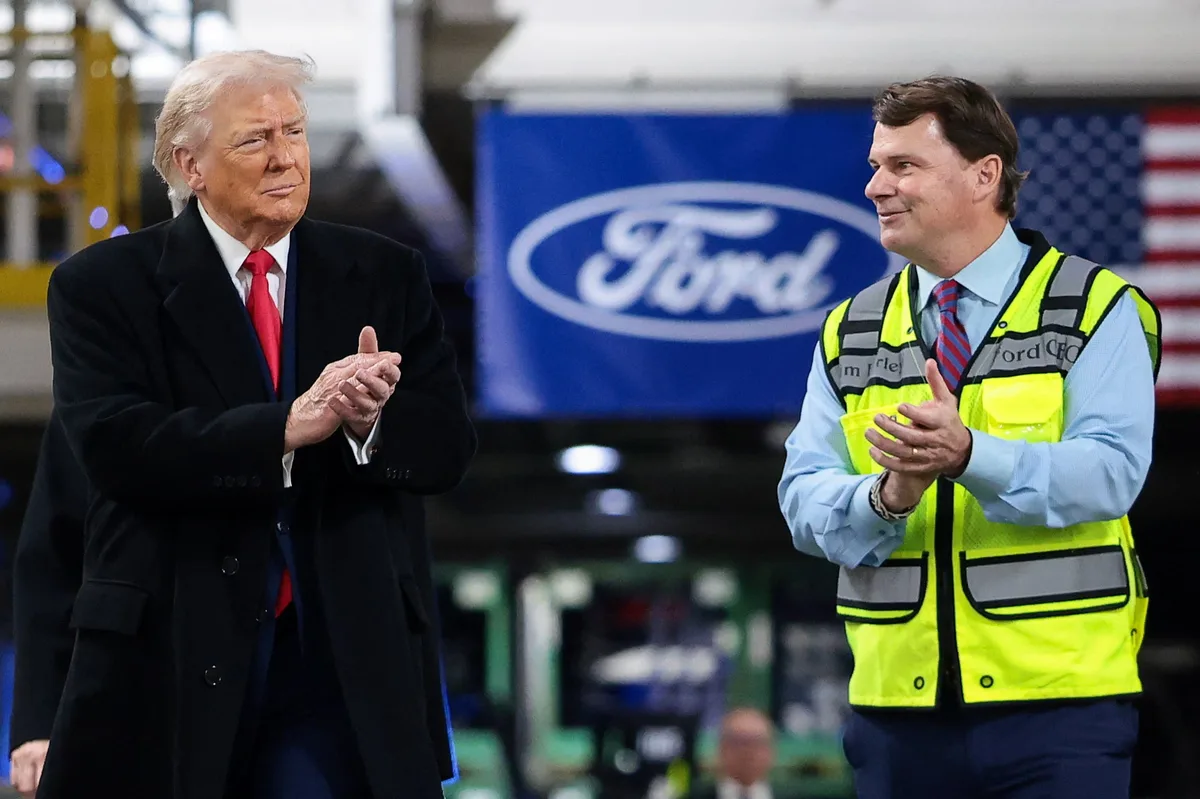
The Trump administration is turning up pressure on one of America's most iconic automakers, with Transportation Secretary Sean Duffy dispatching a formal letter to Ford CEO Jim Farley expressing what the department called "profound concern" over the company's strategic entanglements with Chinese entities. The move signals that the administration is prepared to scrutinize not just trade flows but the corporate partnerships and supply-chain decisions of major U.S. manufacturers operating in or alongside China.
The letter represents a notable escalation in Washington's approach to American companies with deep operational ties to Beijing. Rather than relying solely on tariffs or trade restrictions, the Trump DOT appears to be using direct executive communication to pressure corporate leadership — a tactic that blends regulatory signaling with political messaging and could foreshadow more formal policy action down the line.
Read more 1606 Corp. Signs LOI With EthosEnergy to Operate Lufkin Power Plant for Data Centers →
Ford has been navigating a delicate balancing act, maintaining relationships with Chinese partners at a time when Washington's posture toward Beijing has hardened considerably across both political parties. The automaker, like many of its global peers, has found the Chinese market too large to abandon outright, even as domestic political winds shift against such arrangements. Secretary Duffy's intervention suggests the administration views these ties not merely as a business matter but as a question of national economic security.
The broader implications extend well beyond Ford. Other U.S. automakers and manufacturers with significant Chinese partnerships may now find themselves under similar scrutiny, as the Trump administration seeks to reshape American industrial strategy around a harder line on China. Duffy's letter could serve as a template — a warning shot that puts the entire sector on notice that corporate decisions with geopolitical dimensions will increasingly invite federal attention.
Continue reading at US Top News and Analysis