U.S. Oil Tops $83 as Iran Threatens Strait of Hormuz Closure
Crude prices surged up to 3% after Iran signaled it may keep the Strait of Hormuz closed until its conditions are met.
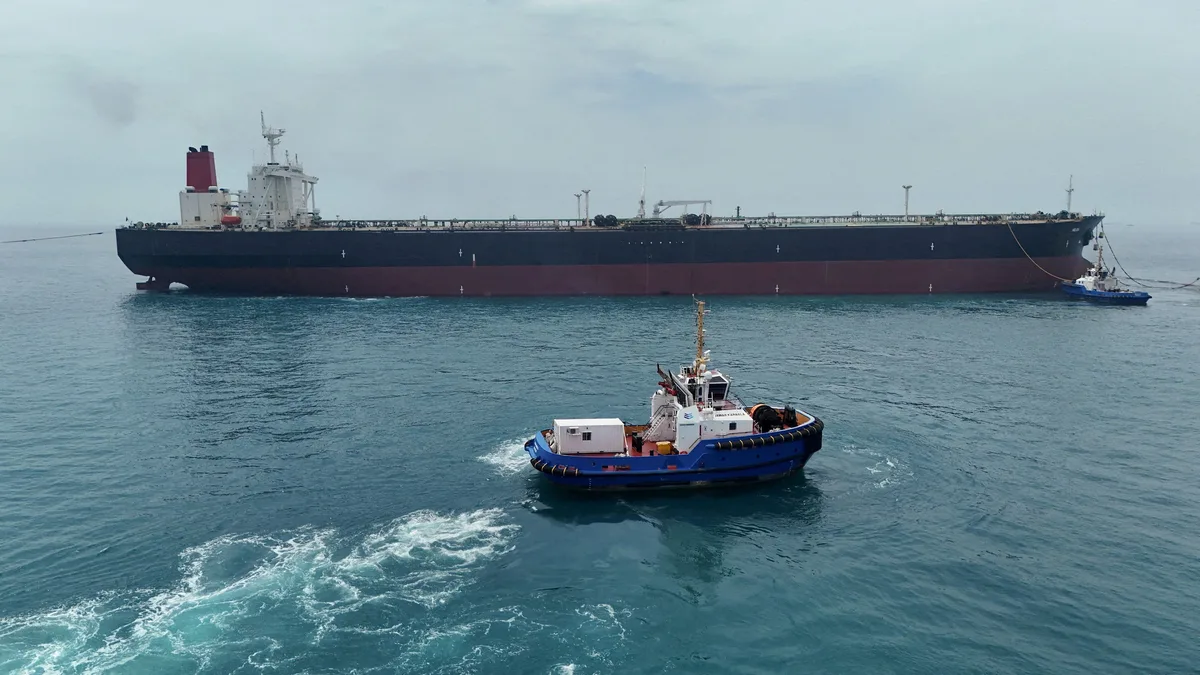
Global oil markets lurched higher on Tuesday as Iran signaled it would not reopen the Strait of Hormuz — one of the world's most critical energy chokepoints — until unspecified conditions are satisfied, pushing U.S. crude above $83 a barrel at its session peak. The threat injected fresh geopolitical risk into a market already sensitive to Middle East tensions, with prices climbing as much as 3% intraday before paring some gains.
The escalation follows a pointed demand from President Donald Trump that Iran pay reparations to the United States, a declaration that appeared to harden an already fraught diplomatic standoff. Markets interpreted the exchange as raising the probability of prolonged disruption to one of the busiest maritime corridors for global petroleum flows, through which roughly a fifth of the world's oil supply typically transits.
Read more Trump Claims Hormuz 'Control' as Rocket Lab Earnings Disappoint →
The Strait of Hormuz sits between Iran and Oman at the mouth of the Persian Gulf, and any sustained closure — or even a credible threat of one — historically rattles energy traders. For oil-importing nations, particularly in Asia and Europe, the passage is effectively irreplaceable in the short term, which explains why even rhetorical pressure from Tehran can move benchmarks sharply. The combination of Trump's reparations demand and Iran's conditional response created the kind of geopolitical uncertainty that oil traders price in quickly and reluctantly relinquish.
The episode is a reminder that energy prices remain deeply entangled with diplomatic brinksmanship. While no physical blockade had materialized at the time of reporting, the mere signaling from Iranian officials was sufficient to move the market meaningfully. How durable this price spike proves will depend on whether diplomatic channels can de-escalate the standoff or whether both sides continue trading increasingly provocative statements.
Continue reading at US Top News and Analysis.