U.S. Strikes Iranian Targets After Strait of Hormuz Tanker Attack
American forces hit Iranian targets following a commercial tanker strike in the Strait of Hormuz, raising alarms during an active U.S.-Iran ceasefire period.
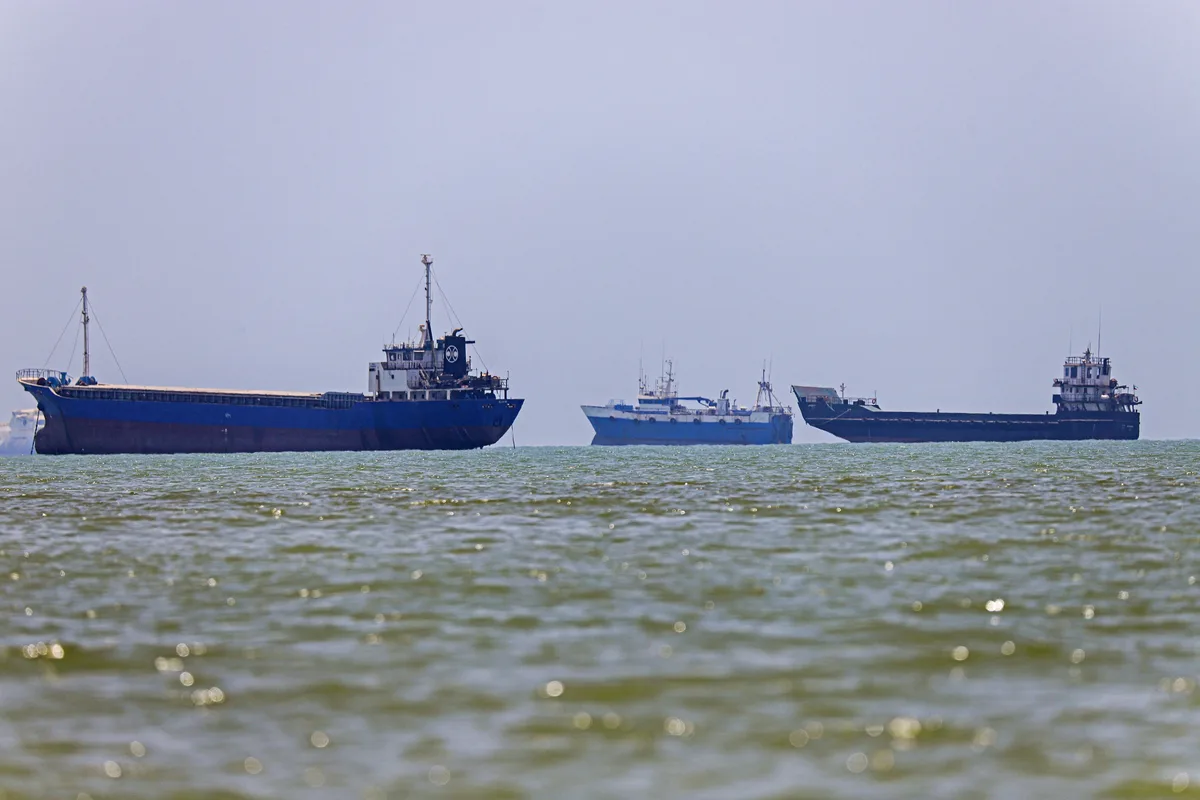
The United States military launched strikes against Iranian targets after a commercial tanker was struck in the Strait of Hormuz, one of the world's most strategically critical waterways through which a significant share of global oil supplies flow. The move marks a sharp escalation in tensions between Washington and Tehran at a particularly delicate moment in their fraught relationship.
What makes this development especially significant is its timing: the strikes occurred while the two countries were operating under a 60-day ceasefire agreement, a framework specifically designed to create space for diplomatic negotiations and a potential longer-term resolution. Military action during an active ceasefire window fundamentally undermines the logic of that arrangement and raises serious questions about whether either side can sustain good-faith negotiations.
Read more Iran Soccer Coach Slams US Travel Curbs After Egypt Friendly →
The Strait of Hormuz has long served as a pressure point in U.S.-Iran tensions, with both sides well aware that any disruption to commercial shipping there sends immediate signals to global energy markets and allied nations that depend on stable oil transit. An attack on a commercial tanker in that corridor is not merely a military incident — it is an economic and geopolitical provocation with wide-ranging consequences.
Analysts will be closely watching whether this episode collapses the ceasefire entirely or whether diplomatic back-channels can absorb the shock. The sequence of events — a tanker strike triggering a military response during negotiations — echoes previous cycles of escalation and de-escalation that have defined U.S.-Iran relations for decades, often leaving broader resolution further out of reach.
Continue reading at US Top News and Analysis.