Uber and Waymo Clash Over AV Labor Policy in Washington
A deepening rift between Uber and Waymo extends to a labor policy fight over autonomous vehicle deployment in the nation's capital.
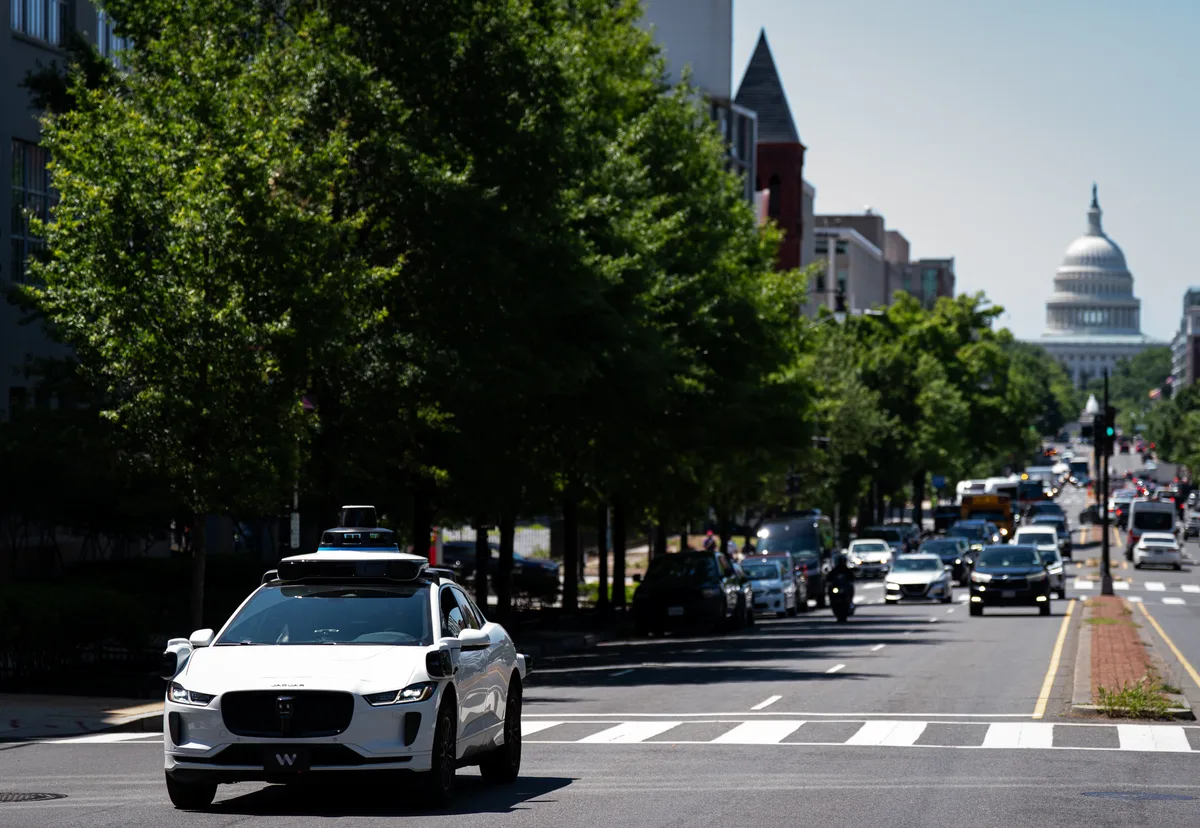
The partnership between Uber and Waymo, once seen as a pragmatic alliance between the ride-hailing giant and the leading autonomous vehicle developer, is fracturing along lines that reveal something deeper than corporate rivalry. At the heart of the tension is a fundamental disagreement about what mass AV deployment should look like — and who bears the cost of that transition.
Washington, D.C. has emerged as a key battleground for this dispute, where the two companies are at odds over labor considerations tied to the large-scale rollout of self-driving vehicles. The stakes are significant: how regulators and companies negotiate the workforce implications of autonomous technology in one major city could set precedents that ripple across the entire industry.
Read more Hamas Ties Disarmament to Israeli Commitments After Trump Deal Claim →
For Uber, the calculus is complicated. The company built its business on a vast network of gig workers, and any rapid displacement of those drivers by autonomous vehicles carries both reputational and political risk. Waymo, by contrast, operates without a legacy driver workforce and has every incentive to push for the fastest possible regulatory path to full AV deployment.
The split underscores a broader tension in the transportation sector: the technology enabling driverless mobility is maturing faster than the policy frameworks designed to manage its social consequences. Labor advocates and city officials are increasingly being asked to referee disputes that are as much about market dominance as they are about public interest. How Washington, D.C. resolves this early test may shape the national conversation on AV labor policy for years to come.
Continue reading at US Top News and Analysis.