Uber Bets $500M on Robotaxis as Waymo and Tesla Compete
Uber is committing hundreds of millions to secure autonomous vehicle partnerships while Waymo and Tesla battle for robotaxi dominance.
The robotaxi race has a surprising frontrunner that manufactures not a single vehicle. Uber, long repositioned as a platform rather than a fleet operator, is reportedly deploying $500 million in capital commitments to lock in autonomous vehicle partners before the technology matures enough to reshape urban transportation at scale. The strategy reflects a calculated hedge: if self-driving cars eventually displace human drivers, Uber wants to be the network those cars plug into.
Waymo, the Alphabet-owned autonomous driving unit, has emerged as the most operationally credible competitor in the space, running fully driverless commercial rides in cities including San Francisco and Phoenix. Its expanding footprint poses an existential question for Uber — partner now at whatever cost, or risk being bypassed as AV operators build their own rider networks directly. Uber has already inked a deal with Waymo, making the two simultaneously partners and rivals in a relationship that defines the strange economics of this industry.
Read more China's Zhipu AI Narrows Gap With US Leaders on Cost Efficiency →
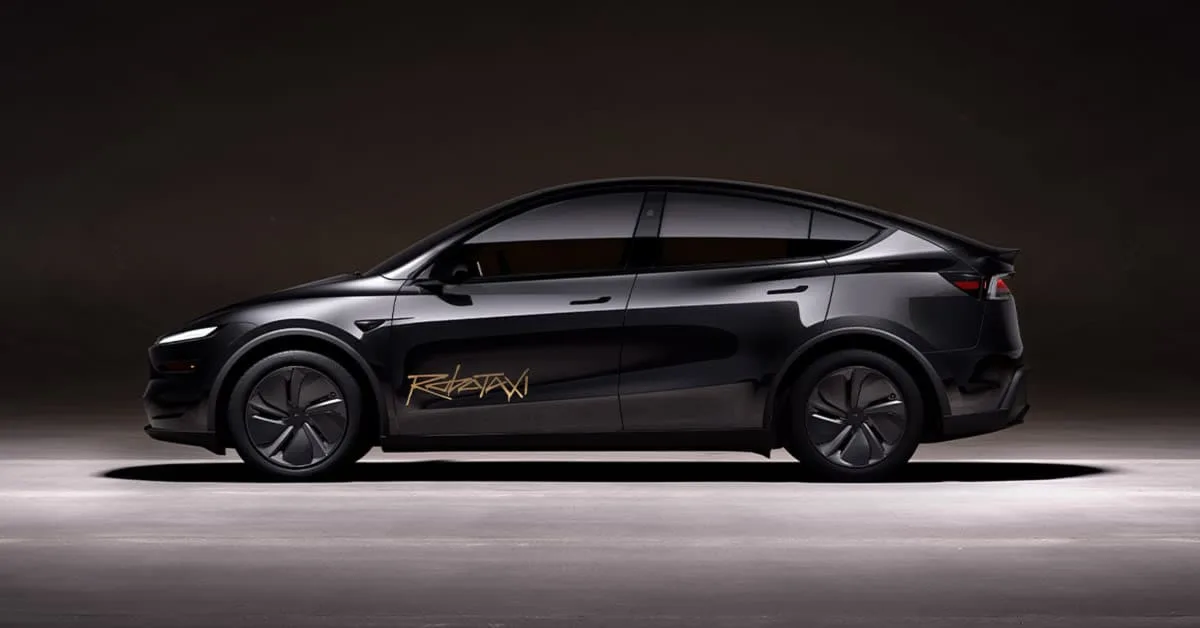
Tesla, meanwhile, is pursuing a fundamentally different model. Elon Musk's company aims to convert its existing fleet of privately owned vehicles into a robotaxi network, leaning on its vast owner base and proprietary Full Self-Driving software. The approach requires no third-party hardware agreements but does depend on regulatory approval and technical milestones that have repeatedly slipped. That uncertainty gives Waymo's more methodical, sensor-heavy approach a credibility advantage with cities and safety regulators, even as Tesla's scale potential remains unmatched.
What makes Uber's position analytically interesting is that it is spending aggressively to remain indispensable in a future it does not control. By committing capital to multiple AV partners, it is essentially purchasing optionality — ensuring that whichever autonomous platform wins, Uber's demand network remains a critical distribution layer. Whether that strategy survives contact with AV operators who may eventually prefer owning the customer relationship is the central tension the industry has yet to resolve.
Continue reading at MarketWatch.com