United Airlines Lets Passengers Pay to Block Middle Seats
United Airlines introduces a paid middle-seat block option on its new Airbus A321XLR jets, adding another upsell tier to its cabin experience.
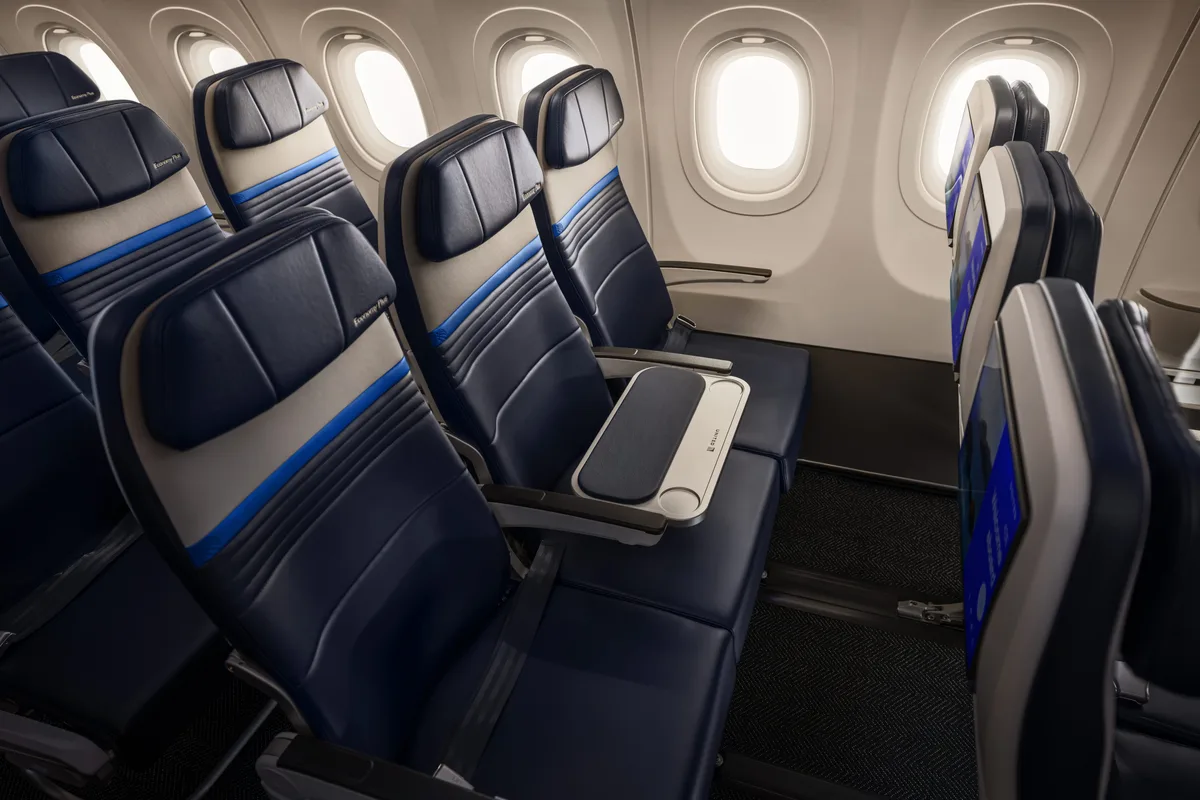
United Airlines is rolling out a new paid feature that allows travelers to purchase the middle seat next to them on its Airbus A321XLR aircraft, effectively keeping the adjoining space empty for a more comfortable journey. The move represents the latest in a long line of ancillary revenue strategies that major U.S. carriers have deployed as they seek to monetize nearly every dimension of the flying experience — from seat selection and early boarding to baggage and now personal space itself.
The A321XLR is a long-range, narrow-body jet that United is deploying on transatlantic and other extended routes, where sitting elbow-to-elbow for hours can feel especially punishing. By targeting this specific aircraft, the airline appears to be betting that passengers on longer flights are more willing to open their wallets for a buffer zone — a reasonable assumption given the discomfort of close-quarters travel on multi-hour trips.
Read more Ingredion Wins Tate & Lyle With 595p All-Cash Takeover Bid →
The strategy fits neatly into a broader industry pattern of "unbundling" the base fare and charging separately for amenities that were once standard. Airlines have mastered the art of the upsell, and the middle-seat block is a logical extension: rather than upgrading to business class, travelers can now buy a modest but meaningful comfort improvement at a lower price point. For United, each empty middle seat sold represents pure margin, since the alternative is simply leaving that space unoccupied anyway.
Critics of ancillary fee models argue that this kind of pricing fragments the travel experience and disadvantages passengers who cannot afford add-ons. Proponents counter that unbundling lets budget-conscious flyers pay only for what they need. Either way, United's experiment on the A321XLR will be closely watched by rivals looking for new revenue levers without adding physical capacity. Continue reading at US Top News and Analysis.