Warren Buffett Warns Speculation Is Crowding Out Real Investing
Warren Buffett criticizes today's stock market as gambling-driven, arguing speculative trading has eclipsed long-term value investing.
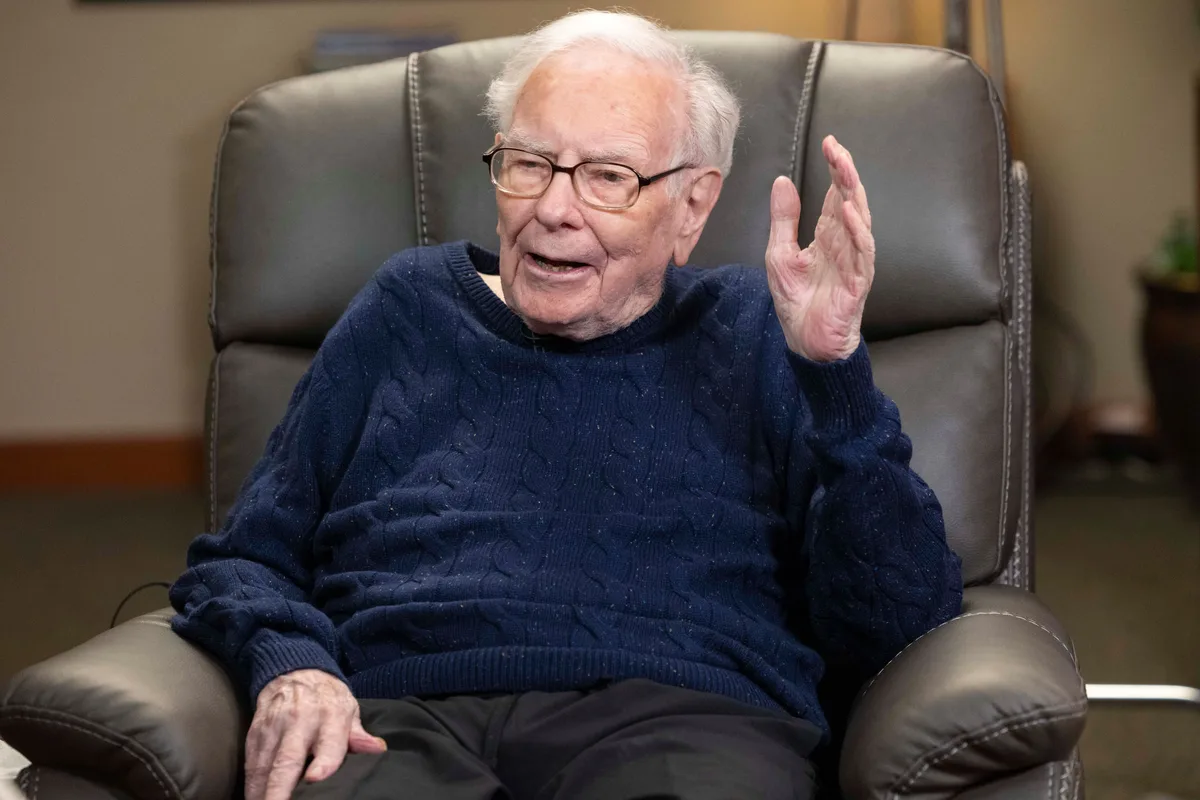
Warren Buffett, the chairman and CEO of Berkshire Hathaway and one of the most closely watched voices in global finance, has issued a pointed critique of the current investment environment, suggesting that the dominance of speculative behavior has made it increasingly difficult to identify genuine value in equities. His words carry particular weight given his decades-long record of outperforming markets through disciplined, fundamentals-based analysis.
Buffett's concern centers on a cultural shift he sees playing out across financial markets — one where short-term speculation has displaced the patient, research-driven approach that defined an earlier era of investing. When broad market sentiment tilts toward gambling rather than valuation, the pricing signals that traditional investors rely upon become distorted, making the entire process of capital allocation less efficient and more treacherous for those unwilling to chase momentum.
Read more Micron Stock Slides Toward Worst Monthly Loss in Over a Decade →
The observation aligns with a broader pattern of Buffett's behavior in recent years: Berkshire Hathaway has accumulated a historically large cash position, signaling that Buffett himself has struggled to find attractively priced opportunities in a market he views as overheated. That restraint is itself a form of market commentary — a billionaire investor choosing to sit out rather than participate in what he characterizes as a gambling culture.
For everyday investors, Buffett's warning invites a moment of reflection. Markets that reward speculation over fundamentals tend to be vulnerable to sharp corrections when sentiment reverses. The difficulty of finding value that Buffett describes is not merely an elite investor's problem — it is a structural signal about risk levels embedded in current asset prices that retail participants often underestimate.
Continue reading at US Top News and Analysis.