What History Tells Us About Bitcoin Competing With Safe Assets
Lessons from the 1960s–90s bond era shed light on how bitcoin and stocks behave when truly safe assets turn competitive.
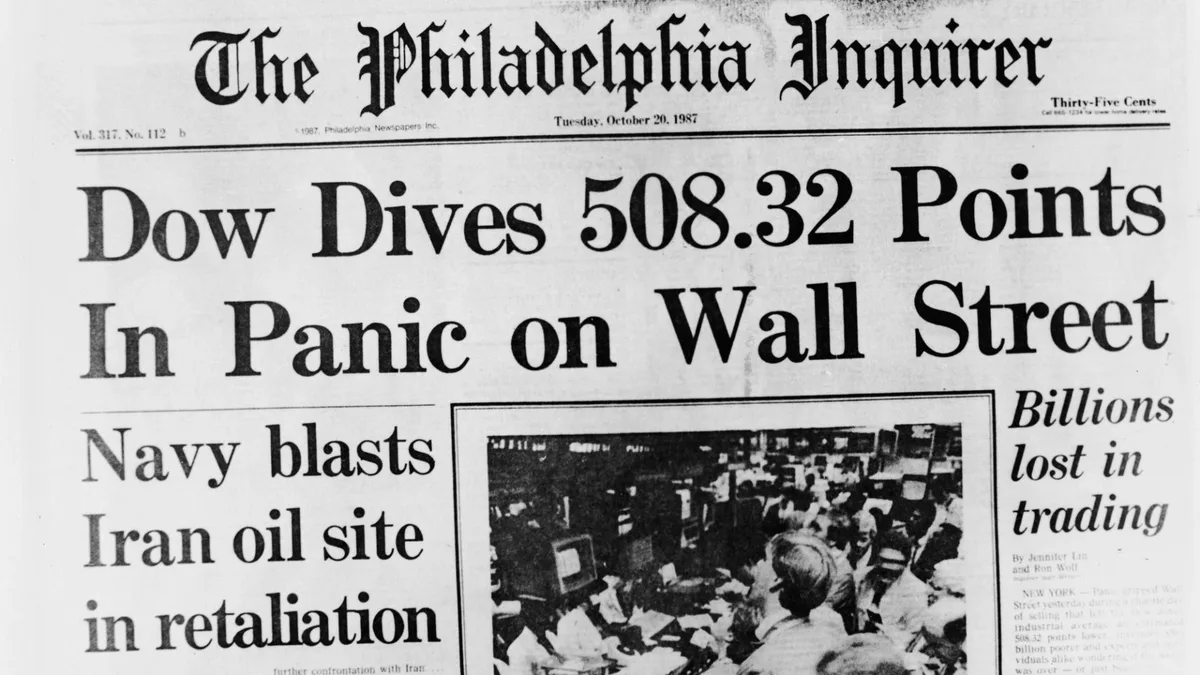
There is a recurring pattern in financial history that modern investors would do well to revisit: when genuinely safe assets begin offering meaningful returns, capital does not merely rotate — it reconstitutes itself. The decades between the 1960s and 1990s offered a prolonged stress test of this dynamic, as rising interest rates forced investors to seriously weigh risk-free yields against equities and other speculative holdings for the first time in a generation.
The core tension then, as now, is one of opportunity cost. When Treasuries or similarly backed instruments yield next to nothing, investors are effectively pushed into risk assets by default. But when safe assets begin to compete — offering 5%, 6%, or more — the calculus shifts. Equities must justify their volatility premium, and newer, more speculative asset classes face the harshest scrutiny. Bitcoin, which has no earnings, no dividend, and no sovereign guarantee, sits at the far end of that risk spectrum.
Read more Deere Stock Trades Near Fair Value as Business Mix Shifts →
What made the 1960s–90s period instructive was not simply that rates rose, but that they rose unevenly and unpredictably, creating waves of reallocation rather than a clean, linear exit from risk. Investors who assumed early rate moves were transitory — a word that would echo again decades later — were repeatedly caught off guard. Stock markets did not collapse outright, but their risk-adjusted returns were persistently humbled relative to what bonds eventually offered.
Applying that framework to today's environment requires acknowledging that bitcoin occupies a dual identity: part speculative technology bet, part nascent store-of-value narrative. When safe assets are dormant, that ambiguity works in bitcoin's favor. When safe assets wake up, the store-of-value claim faces its sharpest test, because investors can now achieve real preservation of purchasing power without accepting the asset's notorious volatility. The historical record suggests that resolution of this tension tends to be slow, painful, and unevenly distributed across investor cohorts.
The broader implication is that neither bitcoin nor equities face an existential threat from competitive safe assets — but both face a prolonged period in which their return premiums must be earned rather than assumed. Investors conditioned by a decade-plus of near-zero rates may be the least prepared for that shift. Continue reading at CoinDesk.