What History Tells Us About Bitcoin Competing With Safe Assets
Lessons from the 1960s–90s offer a framework for understanding how bitcoin and stocks behave when safe assets turn competitive.
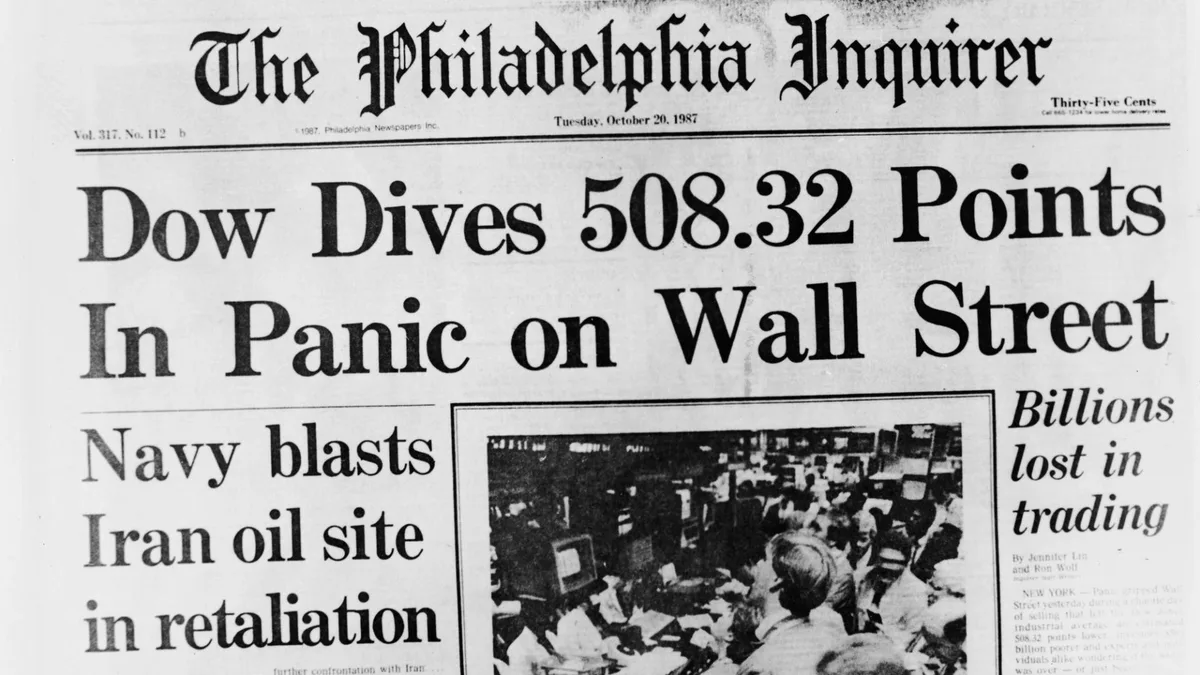
When government bonds and cash equivalents begin offering genuinely attractive yields, money tends to migrate — and the history of the 1960s through the 1990s offers a remarkably instructive window into how that dynamic reshapes riskier asset classes. During stretches of that era, rising real rates on sovereign debt forced investors to consciously justify holding equities or alternative stores of value, a discipline that markets had largely forgotten during the prolonged low-rate environment of the post-2008 decade.
Bitcoin occupies a structurally novel position in this competition. Unlike equities, it generates no cash flows and carries no earnings multiple to defend. Its valuation rests almost entirely on conviction — about scarcity, about institutional adoption, and about its long-run role as either a speculative asset or a monetary alternative. When safe assets pay well, the opportunity cost of holding a non-yielding asset rises sharply, and bitcoin bears the full weight of that arithmetic in a way that dividend-paying stocks do not.
Read more Trump Claims Hormuz 'Control' as Rocket Lab Earnings Disappoint →
The equity market's experience across those three decades is instructive precisely because it was not linear. Stocks suffered during the inflation shocks of the 1970s, recovered as the Volcker disinflation took hold in the early 1980s, and then thrived in the long bull market that followed as rates normalized. The lesson is not simply that high rates are bad for risk assets — it is that the *direction* and *credibility* of rate policy matters as much as the level itself. Markets priced in trajectories, not snapshots.
Applying that lens to the current moment, bitcoin and growth equities face a question that is more qualitative than quantitative: do investors believe the era of structurally higher rates is permanent, cyclical, or already ending? The answer shapes portfolio allocation decisions in ways that aggregate data obscures. Institutional flows, derivatives positioning, and correlations with real yields all serve as live readings of that collective judgment — and they have rarely been more worth watching.
The historical parallel is not a prediction, but it is a useful corrective to recency bias. Markets that spent a decade treating near-zero rates as a permanent condition were caught off guard before; the inverse error — assuming today's competitive safe-asset environment lasts indefinitely — carries its own risks for investors on either side of the bitcoin debate. Continue reading at CoinDesk.