What's Open and Closed on Labor Day 2025: Markets, Mail, and More
Labor Day affects trading hours, bond markets, and federal services. Here's what investors and consumers need to know.
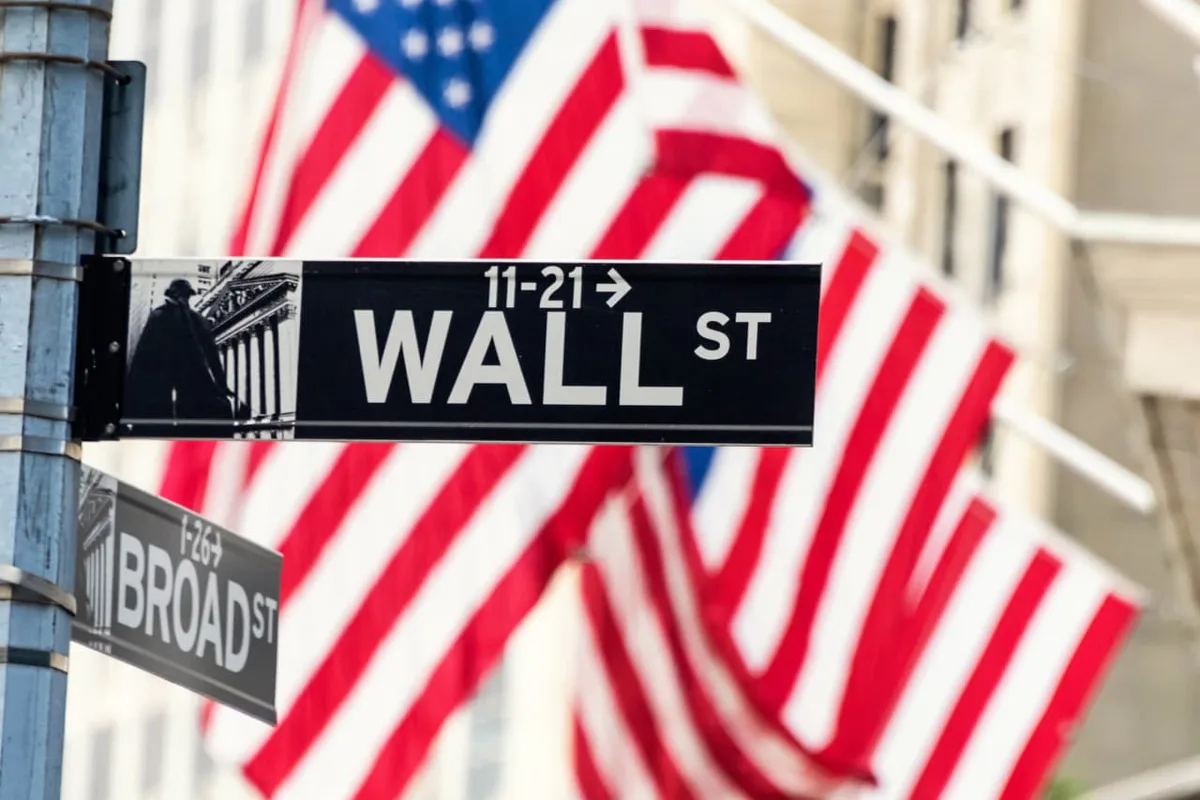
Labor Day, observed on the first Monday of September, is one of the few federal holidays that brings U.S. financial markets and government services to a simultaneous halt. For investors, the day serves as a practical reminder that even in an era of near-continuous electronic trading, the traditional market calendar still shapes the rhythm of Wall Street.
U.S. stock exchanges, including the New York Stock Exchange and Nasdaq, are closed on Labor Day, meaning no equity trades will be executed on the primary exchanges. Bond markets, overseen by the Securities Industry and Financial Markets Association, also observe the holiday with a full close, leaving fixed-income traders on the sidelines as well. Futures and options markets may follow separate schedules, so active traders should verify hours with their specific brokerages ahead of the holiday.
Read more Treasury Yield Strategy and Tech Earnings Shape Holiday Week →
Beyond financial markets, federal government operations scale back considerably. The U.S. Postal Service suspends regular mail delivery, and most federal offices remain closed. Banks that observe federal holidays will also be shuttered, though ATM access and digital banking services typically remain available throughout the day — a distinction that matters more as consumers increasingly rely on app-based financial tools.
For long-term investors, a single-day market closure carries little strategic weight. But for traders managing short-term positions or awaiting settlement of recent transactions, the holiday can compress effective trading windows both before and after the long weekend. It also means any market-moving economic data typically released on Mondays will be delayed by a day, shifting the week's information flow slightly out of its usual pattern.
Continue reading at MarketWatch.com