Who Really Owns the AI Boom? The Case for Data Dividends
Big Tech built its AI empire on public data — and critics argue ordinary users deserve a financial stake in the returns.
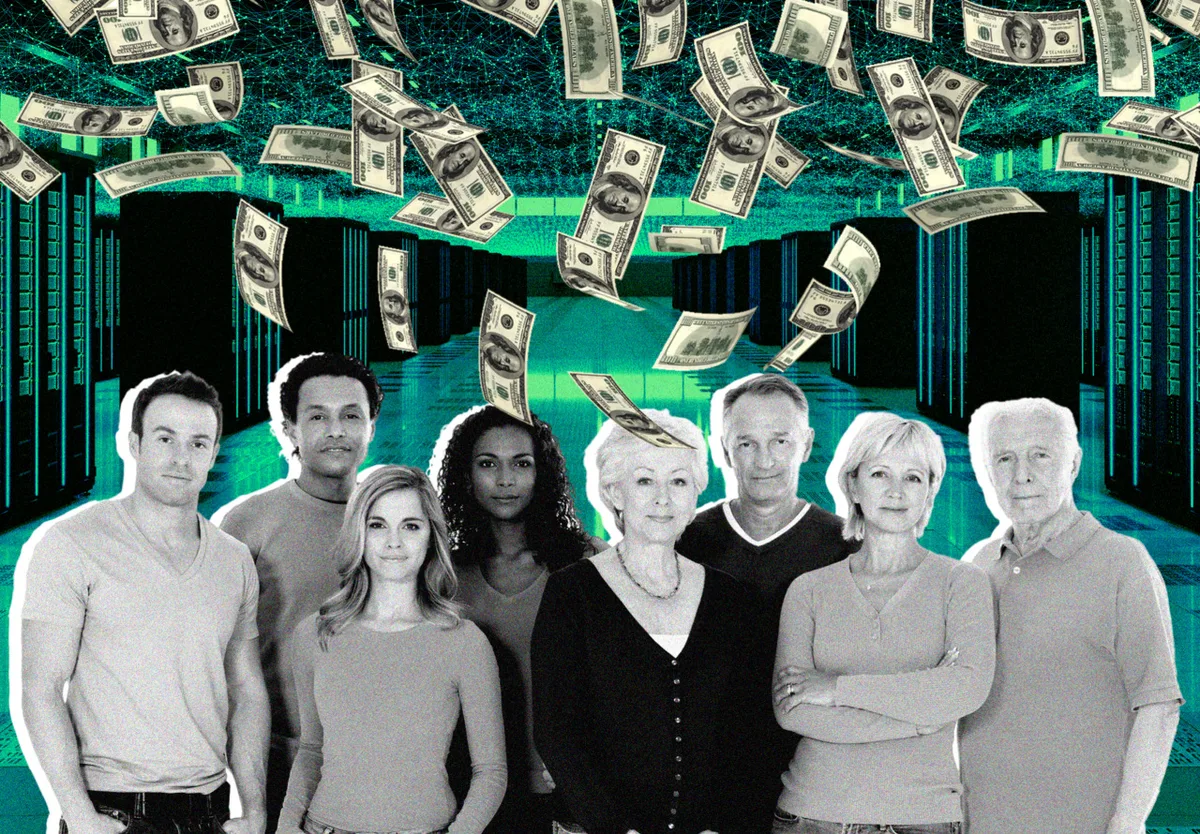
Artificial intelligence has minted enormous fortunes for a handful of technology giants, but the raw material powering those systems — the text, images, and behavioral data generated by billions of ordinary people — was never compensated. That asymmetry is now drawing serious scrutiny from economists, policymakers, and advocates who argue the current arrangement is less a free market outcome than a structural transfer of wealth from the public to corporate shareholders.
The core argument is straightforward: large language models and generative AI systems were trained on data that users produced, often without meaningful awareness that their digital footprints would fuel a multi-trillion-dollar industry. In that framing, what looks like a voluntary exchange — free services in return for data — begins to resemble something closer to an unpriced externality, one that has compounded into staggering equity value concentrated at the very top of the technology sector.
Read more Jay Clayton Named Trump's AI Policy Czar, WSJ Reports →
Proponents of reform are increasingly reaching for the language of property rights rather than charity. The idea of a "data dividend" — a mechanism by which individuals receive direct payments or equity stakes in proportion to their contribution to AI training sets — has moved from academic novelty toward genuine policy conversation. California briefly considered such legislation, and the concept echoes broader debates about whether platform labor deserves compensation in the same way physical labor does.
The analytical challenge is determining how to price something that was never traded on an open market. Data has no standardized unit, its value is deeply contextual, and the technology firms that would theoretically pay dividends have little incentive to establish a framework that erodes their margins. Without regulatory intervention, the default outcome is the status quo: users generate the inputs, corporations capture the outputs, and the equity gap widens with each new model release.
What makes this moment different from earlier debates about data privacy is the sheer scale of AI-generated wealth now visible on balance sheets and in stock prices — making the abstract suddenly concrete. Whether that visibility translates into political will for redistribution remains an open question, but the conversation has clearly shifted from whether users deserve a share to how that share might actually be claimed. Continue reading at MarketWatch.com