Why AI and Doctors, Not Insurers, Should Drive Treatment Decisions
Digital health records paired with AI diagnostics could shift clinical decision-making away from insurers and back to physicians.
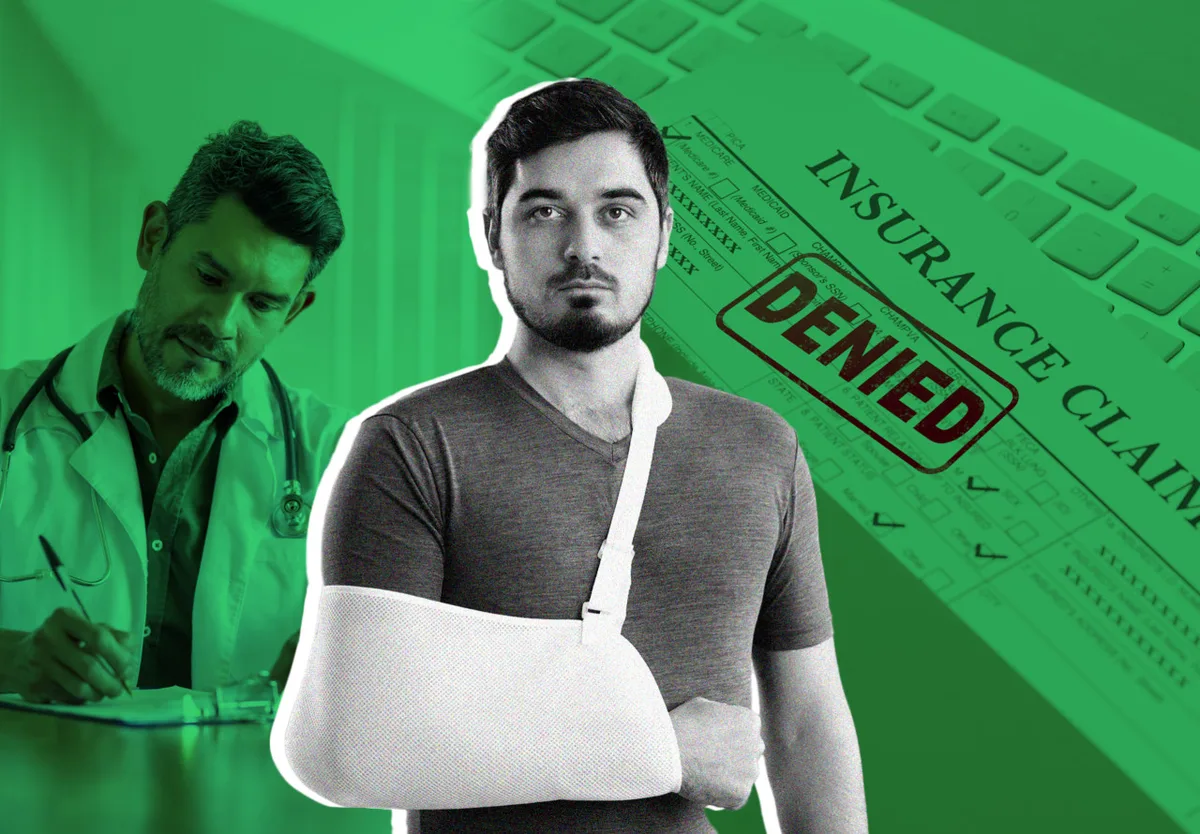
The question of who controls your medical care has never been more urgent. As health insurers increasingly deploy prior-authorization requirements and algorithmic claim denials, a growing chorus of clinicians and technologists argues that artificial intelligence belongs in the exam room — not the insurance company's back office. The core premise is straightforward: when AI-driven diagnostic tools are trained on a patient's complete longitudinal health record, they can help physicians make more accurate, personalized decisions than any blanket coverage policy ever could.
Central to this vision is the digital health record — a unified, interoperable repository of a patient's full medical history. Today, fragmented records mean that even the most attentive physician may be missing critical context: prior diagnoses, drug interactions, or chronic conditions managed by another provider years earlier. A truly comprehensive digital record would give both clinicians and AI models the complete picture they need to recommend treatments grounded in individual biology rather than actuarial averages.
Read more Qatar Reports First Citizen Killed by Shrapnel Amid Regional Military Activity →
The distinction matters enormously. Insurer algorithms are optimized around cost containment and population-level risk, not the nuances of an individual case. Physician-guided AI, by contrast, would ideally be trained to surface the most clinically appropriate intervention for a specific patient at a specific moment. That reorientation of purpose — from financial gatekeeping to clinical support — represents a fundamental philosophical shift in how American healthcare operates.
Skeptics rightly note that AI in medicine carries its own risks, including bias embedded in training data, over-reliance on probabilistic outputs, and questions of liability when machine recommendations go wrong. Those concerns are legitimate and unresolved. Yet proponents contend that a well-designed AI diagnostic layer, supervised by accountable physicians, is still a safer and more equitable arbiter of care than an insurer's blanket coverage criteria applied at scale.
The debate ultimately circles back to a structural problem: American healthcare has long allowed financial intermediaries to sit between patients and their doctors. Redirecting AI's diagnostic potential toward empowering clinicians rather than enforcing coverage limits could begin to change that dynamic — but only if health systems, regulators, and technology developers align around patient outcomes as the primary metric. Continue reading at MarketWatch.com