Why Delaying Social Security to 70 Still Beats Buying an Annuity
Waiting until 70 to claim Social Security means forgoing roughly $158,000 in benefits, yet the long-term payout still outperforms comparable private annuities.
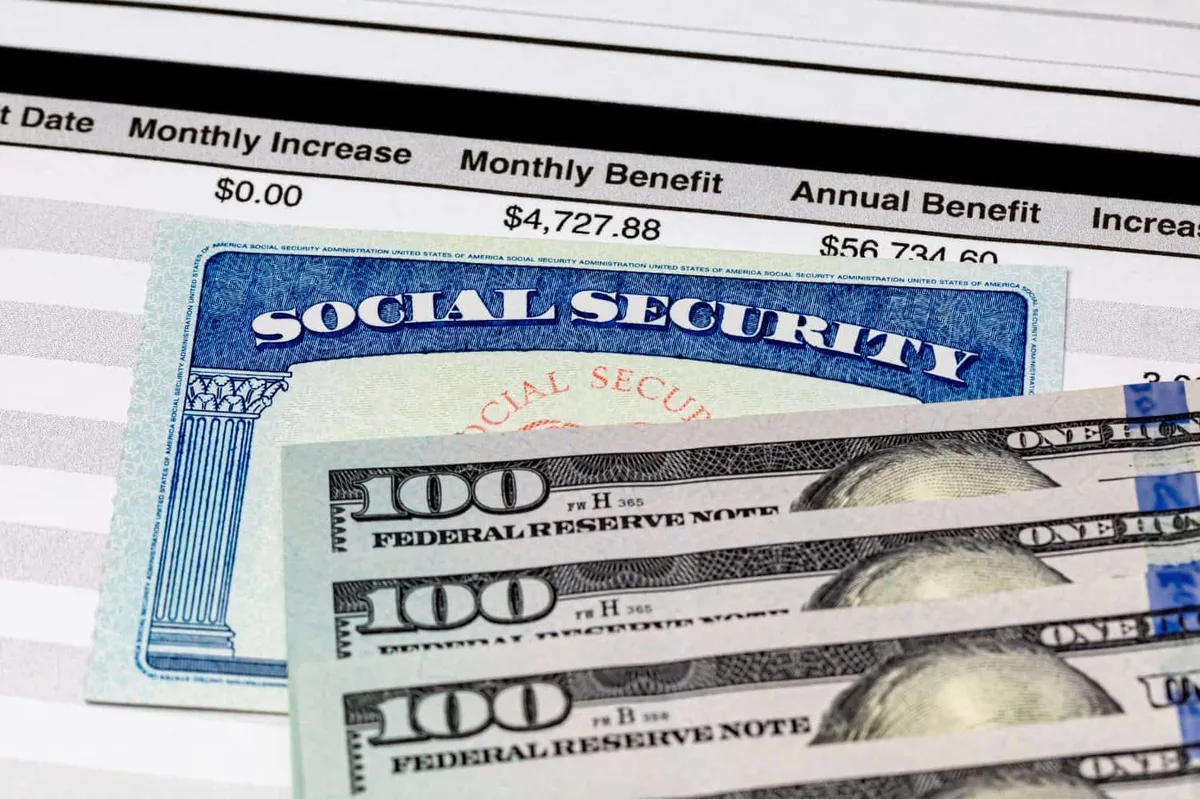
For retirees weighing when to claim Social Security, the math involves a genuine short-term sacrifice: holding off until age 70 instead of claiming at 62 or even 66 means leaving an estimated $158,000 in benefit checks uncollected during the waiting period. That is not a trivial sum, and for households with limited savings to bridge the gap, the delay strategy carries real financial stress. Yet the calculus shifts decisively once longevity enters the picture.
The core argument for delaying is that Social Security functions like an inflation-protected, government-guaranteed annuity — one that increases roughly 8 percent for every year a beneficiary waits past full retirement age. No private annuity product on the market today offers that combination of guaranteed growth, inflation indexing, and the creditworthiness of the federal government. When analysts compare the delayed Social Security payout against what a retiree could purchase with $158,000 in the private annuity market, Social Security wins, often by a wide margin over a sufficiently long retirement.
Read more Does a Stay-at-Home Spouse Get Half Your Retirement in Divorce? →
The break-even point — the age at which the higher monthly benefit from waiting recoups the foregone checks — typically falls somewhere in a retiree's late 70s, depending on individual benefit amounts and assumptions about investment returns. Retirees who live well into their 80s or beyond stand to collect significantly more in lifetime benefits by having waited. This makes the delay strategy particularly valuable for women, who on average outlive men, and for anyone in good health with longevity in their family history.
The comparison also exposes a structural gap in the private insurance market. Insurers pricing annuities must account for their own profit margins, operating costs, and adverse selection — the tendency for people who expect to live longer to buy annuities. Social Security carries none of those friction costs. The result is that the implicit "return" embedded in a delayed Social Security claim is difficult for any commercial product to replicate, making delay less a gamble on longevity and more a form of disciplined, low-risk retirement income optimization.
For those who can afford to bridge the income gap — through savings, part-time work, or a spouse's income — financial planners broadly view delayed claiming as one of the highest-value decisions available in retirement planning. Continue reading at Yahoo Finance.