Why Falling Oil Prices Don't Always Mean Cheaper Gas at the Pump
Oil markets and retail gasoline prices often move independently. Wall Street's role in energy pricing may explain why consumers feel trapped.
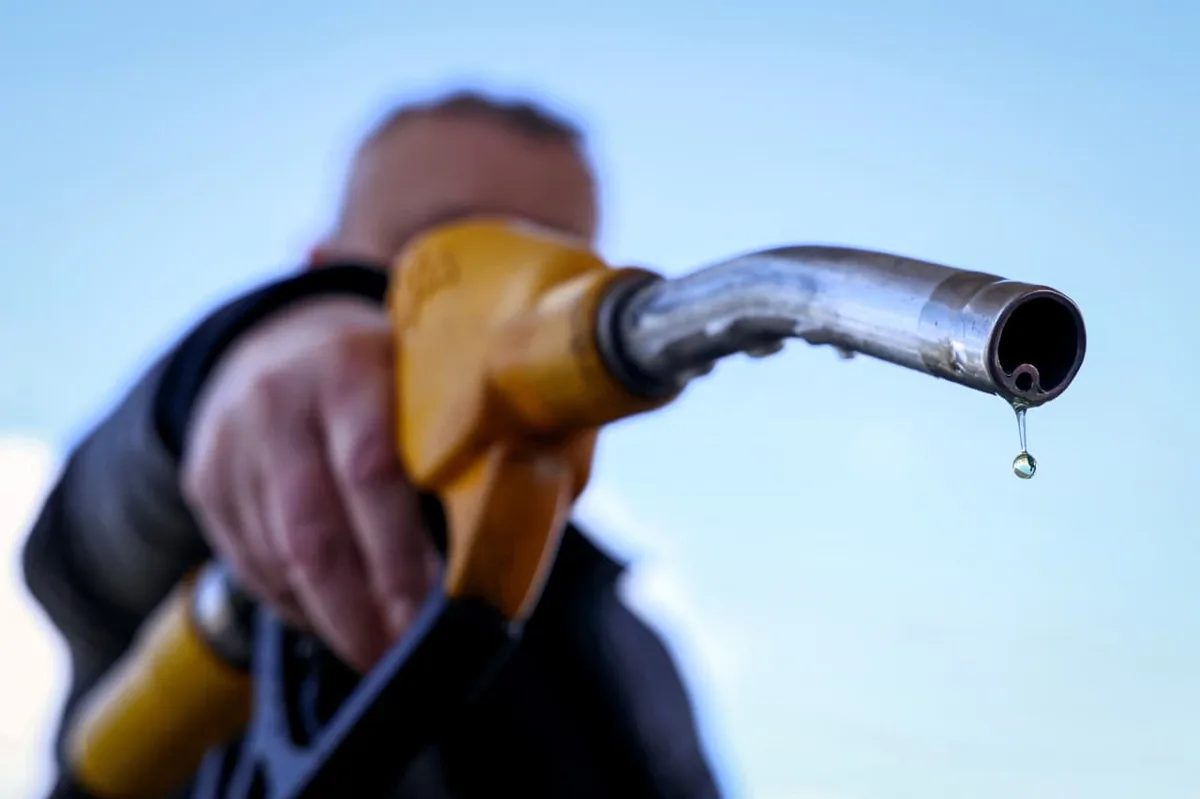
There is a persistent and frustrating disconnect at the heart of American energy economics: crude oil prices can fall sharply, yet drivers pulling into gas stations rarely see that relief reflected on the price board. Understanding why requires looking beyond geopolitics and toward the financial architecture that underlies fuel markets.
The instinct, particularly during moments of international tension such as conflicts involving Iran, is to blame global events for spiking energy costs. But according to analysis from MarketWatch, the real pressure on what consumers pay isn't necessarily coming from overseas battlefields — it's coming from the structures and incentives embedded in Wall Street's relationship with energy markets. Financial players, from commodity traders to large institutional investors, shape price behavior in ways that can decouple retail gasoline costs from the actual price of crude.
Read more Deere Stock Trades Near Fair Value as Business Mix Shifts →
This matters enormously for household budgets. Gasoline is one of the most psychologically and economically visible prices in American life — updated in real time on signs visible from the highway, purchased repeatedly, and felt immediately. When oil prices drop and gas prices don't follow, it breeds justified public frustration. The asymmetry — where prices rise faster than they fall, a phenomenon sometimes called "rockets and feathers" — has been documented by economists for decades and remains stubbornly in place.
The implication for policy is significant. If financial market dynamics rather than raw supply disruptions are the primary driver of what Americans pay for fuel, then geopolitical rhetoric about energy independence or foreign conflict offers limited explanatory power for consumers trying to understand their bills. Structural reform of how energy commodities are traded and priced may be a more direct lever than foreign policy alone. For now, though, the trap holds: oil can ease, and your gas bill may not budge.
Continue reading at MarketWatch.com