Why Gas Prices Remain Stubbornly High: Chevron CFO Weighs In
Chevron's finance chief offers a candid look at the structural forces keeping fuel costs elevated for American drivers.
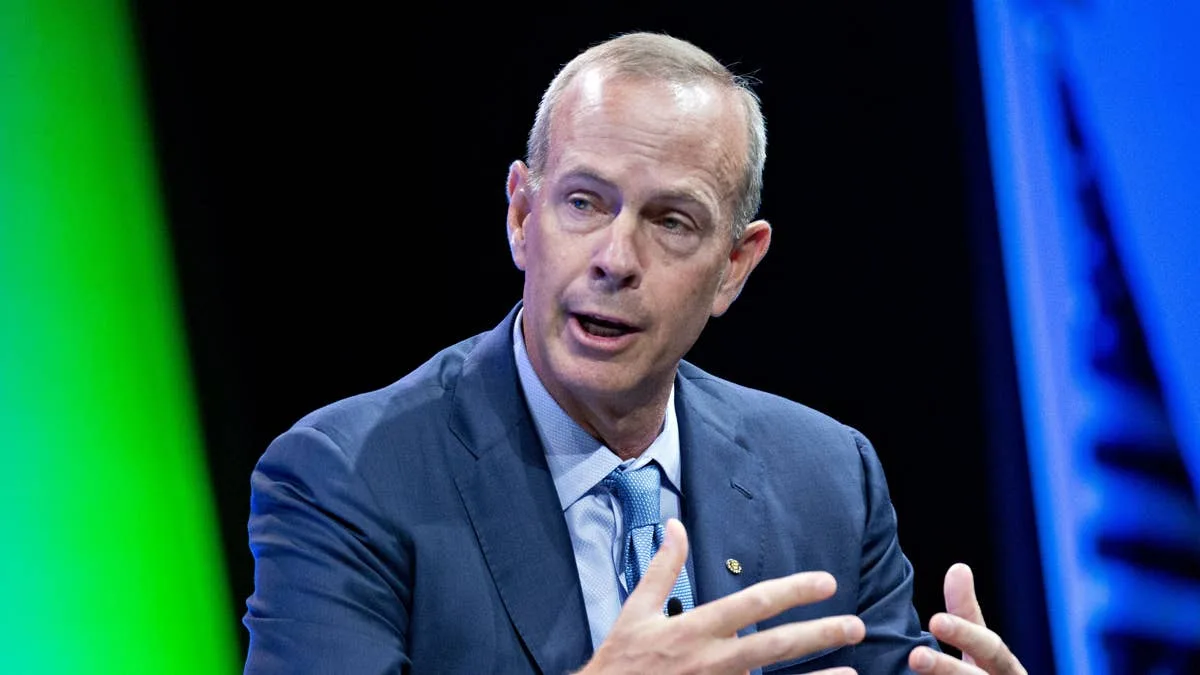
Gas prices have frustrated consumers for months, and Chevron's chief financial officer is now offering one of the clearest corporate-level explanations for why relief may not arrive as quickly as many households hope. The comments underscore a tension that has defined the energy market in the post-pandemic era: the gap between what consumers expect at the pump and what the economics of oil production actually allow.
At the heart of the issue are the structural constraints that govern how quickly supply can respond to shifts in demand or policy pressure. Refining capacity, capital discipline among major producers, and the lingering effects of underinvestment during the pandemic years all conspire to keep a floor under prices even when crude benchmarks soften. These are not short-term disruptions but systemic features of today's energy landscape, and executives at integrated majors like Chevron are in a unique position to see them clearly.
Read more Asia Markets Eye Japan Data as Yen Stays Under Pressure →
The Chevron CFO's remarks serve as a reminder that the retail price of gasoline is not simply a function of OPEC decisions or White House policy, but the product of a long and capital-intensive supply chain. Each link in that chain — from drilling and extraction to refining and distribution — carries its own cost pressures and lead times, meaning that even favorable macro conditions can take months or years to translate into meaningfully lower prices at the station.
For consumers and policymakers alike, the takeaway is sobering. Expecting rapid normalization in fuel costs without a corresponding shift in the underlying supply architecture may be unrealistic. The Chevron executive's candor points to a broader industry consensus: energy markets have structurally repriced since 2020, and that reset is not easily undone by short-term fixes or political pressure alone.
Continue reading at Yahoo Finance