Why Some Americans Are Choosing Renting Over Owning a Home
A growing share of renters view their housing status as a deliberate lifestyle choice, not a financial stepping stone toward buying a home.
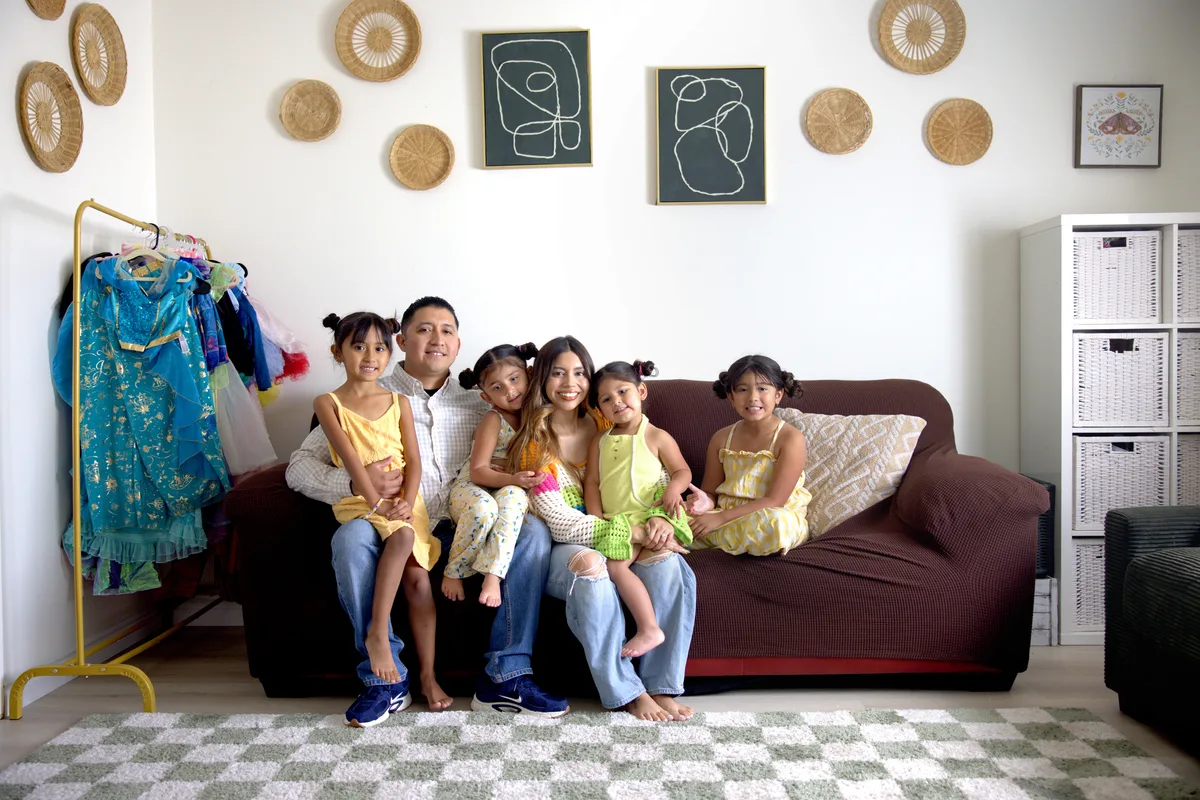
For decades, homeownership stood as the cornerstone of the American Dream — a rite of passage that signaled financial stability and social arrival. But a meaningful shift is underway. A growing number of renters are stepping off that traditional escalator entirely, not because they cannot afford to buy, but because they have decided that renting better fits the life they want to live.
The appeal is not purely economic, though housing costs and interest rates have certainly made the calculus harder for first-time buyers. Many long-term renters describe a psychological and practical freedom that ownership cannot easily replicate — the ability to relocate for opportunity, to avoid the maintenance burden of a property, and to keep capital liquid rather than locked into equity. For these renters, the phrase "really freeing" captures something genuine: a release from an obligation that previous generations accepted almost without question.
Read more Does a Stay-at-Home Spouse Get Half Your Retirement in Divorce? →
This represents a quiet but consequential redefinition of aspiration. The American Dream has always been a malleable concept, adapting to economic conditions and cultural currents. What is different now is the explicit rejection of homeownership as a universal benchmark of success, rather than a reluctant accommodation to circumstance. Renters who frame their choice in terms of liberation rather than limitation are rewriting the social contract around housing in real time.
The implications stretch well beyond individual preference. If a substantial portion of the population permanently opts out of the homebuying market, demand dynamics, construction incentives, and municipal tax bases could all shift in ways that policymakers have not fully modeled. At the same time, the rental market itself would face pressure to evolve — offering longer lease terms, greater tenant protections, and more stability to meet the needs of people who are renting by choice rather than by default.
Whether this trend hardens into a durable cultural norm or retreats when mortgage rates fall remains an open question. But the fact that the conversation has moved from "when will I buy" to "should I buy at all" signals a genuine inflection point in how Americans think about housing, wealth, and what a good life looks like. Continue reading at US Top News and Analysis.