Why Stock Markets Tend to Rally During Congressional Recesses
Research shows equities gain ground when Congress is on break, with regulatory uncertainty cited as the primary driver of market volatility.
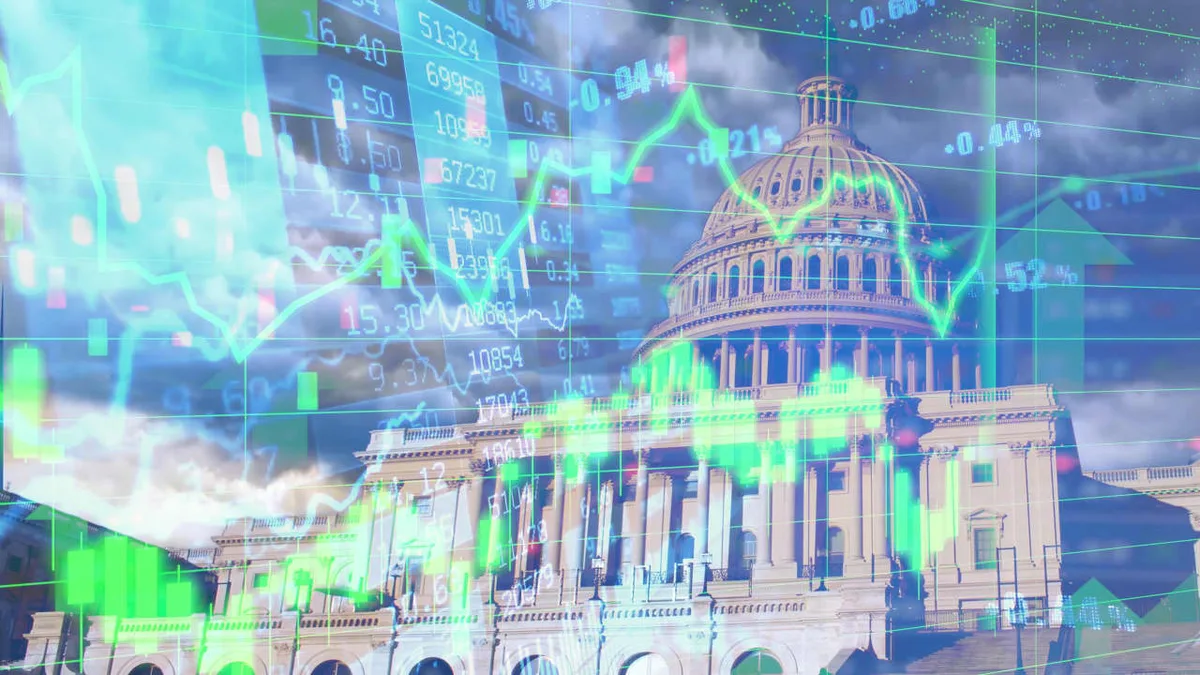
There is a quiet rhythm to Wall Street that seasoned investors have long sensed but rarely articulated: markets tend to breathe easier when Capitol Hill goes dark. Academic research and market data support the intuition, showing that stock prices exhibit greater calm — and often meaningful gains — during periods when Congress is in recess and lawmakers are away from Washington.
The mechanism behind this pattern is rooted in regulatory uncertainty, which functions as a persistent tax on investor confidence. When legislators are actively debating bills, proposing amendments, or holding high-profile hearings, the range of possible futures for any given industry widens dramatically. Companies in sectors from energy to financial services must price in outcomes they cannot predict, and that ambiguity tends to suppress valuations and amplify price swings.
Read more Deere Stock Trades Near Fair Value as Business Mix Shifts →
The inverse is equally telling. When Congress adjourns for summer or holiday breaks, that cloud of legislative unpredictability lifts — at least temporarily. Investors are not suddenly more optimistic about the economy, but they are operating with a narrower set of near-term unknowns. Reduced uncertainty, even if its absence is fleeting, has a measurable calming effect on equity markets and can create conditions favorable to a rally.
This dynamic carries important analytical implications for portfolio managers and individual investors alike. It suggests that political calendars deserve a place alongside earnings seasons and Federal Reserve meeting schedules when assessing potential market inflection points. The finding also underscores a broader truth about modern markets: it is not only what policymakers decide that moves prices, but the prolonged ambiguity of not yet knowing what they will decide.
Understanding the link between legislative activity and market behavior is increasingly relevant at a time when regulatory agendas in Washington remain crowded and contentious. Continue reading at MarketWatch.com