World Cup Ads: Why Non-Sponsors Are Winning the Brand War
Authenticity may matter more than official sponsorship in World Cup advertising, signaling a shift in how consumers respond to brands.
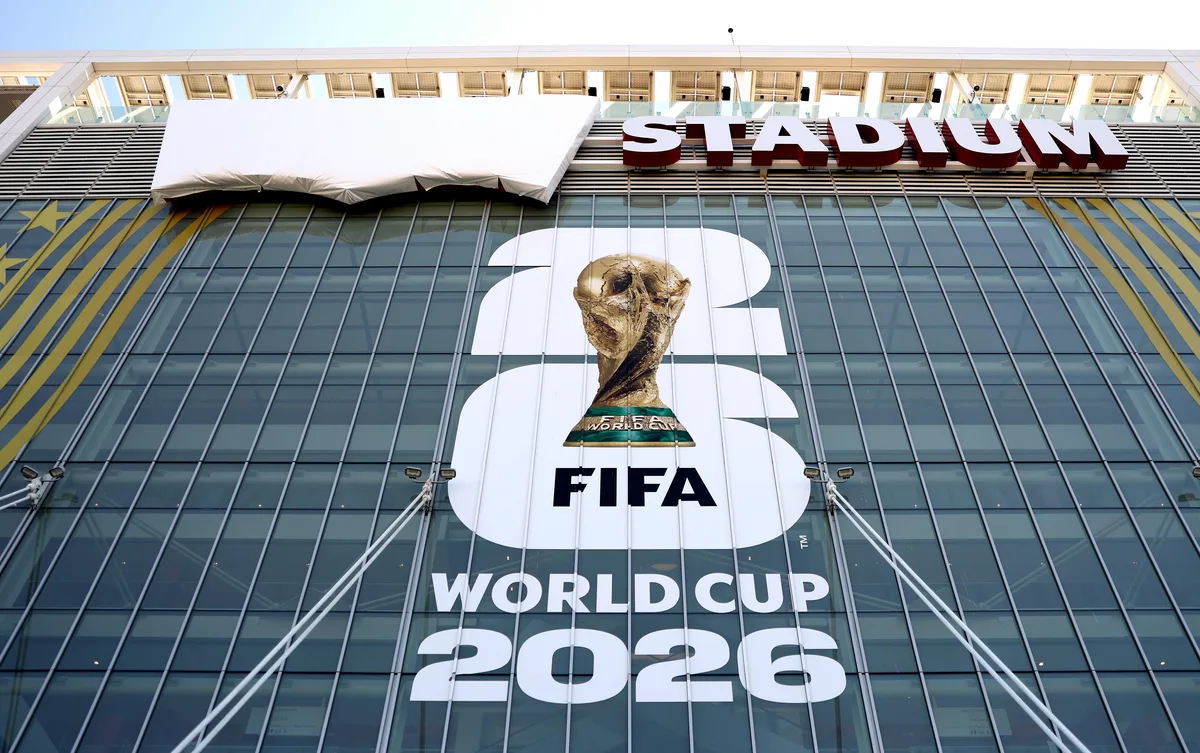
The FIFA World Cup has long been one of the most coveted stages for corporate advertisers, with official sponsorships commanding enormous price tags and promising unrivaled global exposure. But a striking pattern is emerging from the current tournament: the brands generating the most meaningful consumer engagement are not necessarily the ones that paid for a spot on the official roster.
This dynamic points to something deeper than clever creative work. Consumers appear increasingly attuned to the difference between brands that insert themselves into a cultural moment and brands that genuinely belong there. Official sponsors can secure logo placement and broadcast mentions, but they cannot purchase the perception of authenticity — and that perception, it turns out, may be the most valuable currency in modern advertising.
Read more China's Zhipu AI Narrows Gap With US Leaders on Cost Efficiency →
The winners in this environment tend to be companies that found organic, culturally resonant ways to connect their identity to the World Cup, even without a formal partnership. Their campaigns feel less like interruptions and more like participation. That distinction is subtle but decisive when audiences, especially younger ones, have developed finely tuned instincts for corporate opportunism.
For marketers and brand strategists, the broader implication is significant. Spending heavily on official rights does not guarantee consumer affinity, and in some cases, the weight of a formal sponsorship can actually make a campaign feel more transactional. Brands that communicate a genuine point of view — one that existed before the tournament and will endure after it — appear better positioned to convert cultural attention into lasting loyalty.
This World Cup advertising story is ultimately a case study in what analysts have been arguing for years: that authenticity is not a soft, intangible quality but a measurable competitive advantage. Continue reading at US Top News and Analysis.