World Cup Viewership Crossed Party Lines Despite Trump's Role
A CNBC survey finds nearly half of registered voters tuned in to the 2026 World Cup, with income and education driving viewership more than politics.
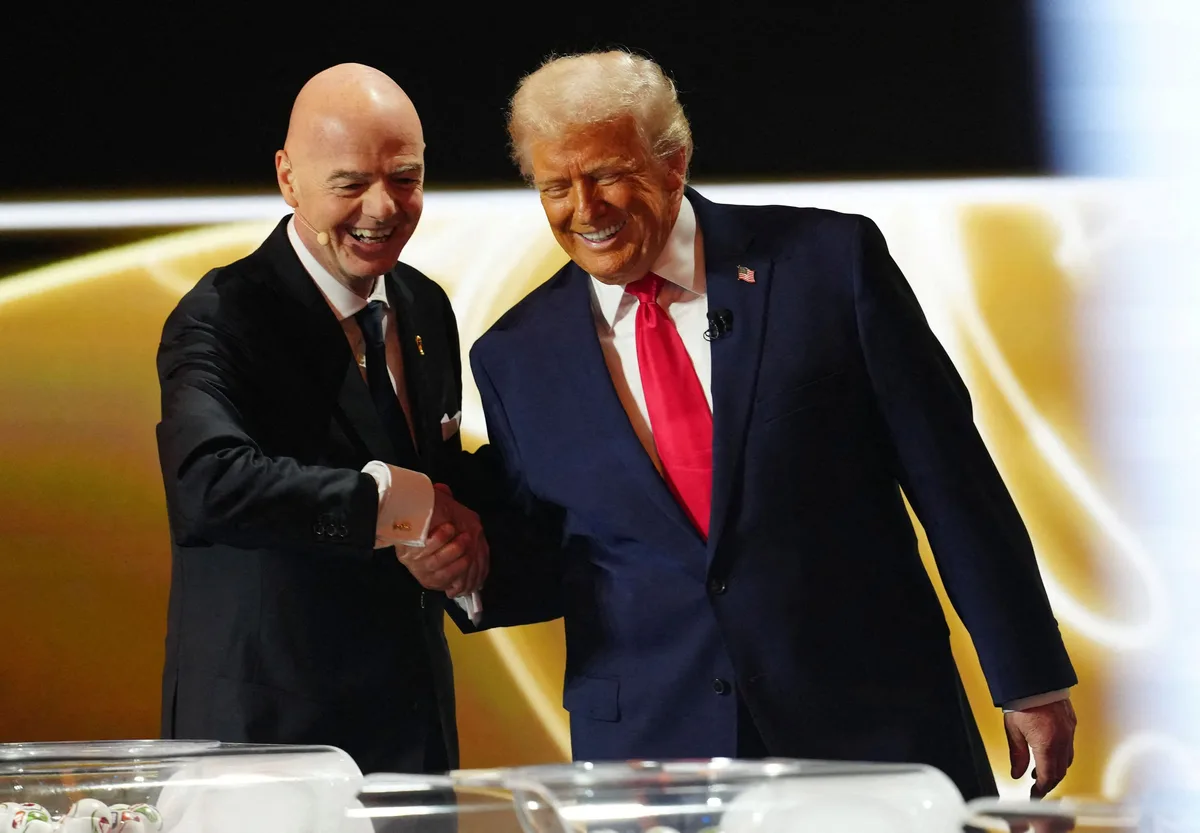
Sports have long served as one of the few remaining arenas where Americans of differing political persuasions congregate, and the 2026 FIFA World Cup appears to have upheld that tradition — even with a politically charged backdrop. A new CNBC survey found that close to half of all registered voters watched the tournament, a striking figure given how polarized American media consumption has become in recent years.
Despite President Trump's prominent involvement with the event, viewership did not cleave sharply along partisan lines. The survey's findings suggest that the spectacle of a World Cup held on home soil was broadly compelling enough to transcend the political associations many Americans might otherwise bring to a Trump-affiliated endeavor. That bipartisan draw is significant: it indicates that marquee sporting events may still carry a unifying cultural weight that other shared media experiences have lost.
Read more UK PM Burnham Scraps VAT on Energy Bills in First Policy Move →
What did differentiate viewers, according to the survey, was socioeconomic background rather than party registration. Income levels and educational attainment proved to be stronger predictors of who tuned in than whether someone leaned Democratic or Republican. This pattern aligns with broader research showing that access to leisure time, disposable income for pay-per-view or streaming packages, and cultural exposure can all influence engagement with global sporting events.
The findings carry implications beyond sports fandom. For advertisers and broadcasters, the data reinforce the World Cup's value as one of the few remaining mass-audience properties capable of reaching across demographic and ideological divides. For political observers, the survey is a reminder that public behavior does not always mirror the partisan sorting that dominates discourse — voters will sometimes simply watch the game. Continue reading at US Top News and Analysis