Zipline Recruits Tesla, Uber, Waymo Alumni to Scale Drone Delivery
Drone delivery pioneer Zipline is expanding across the U.S. and has brought on executives from Tesla, Uber Eats, and Waymo to lead the push.
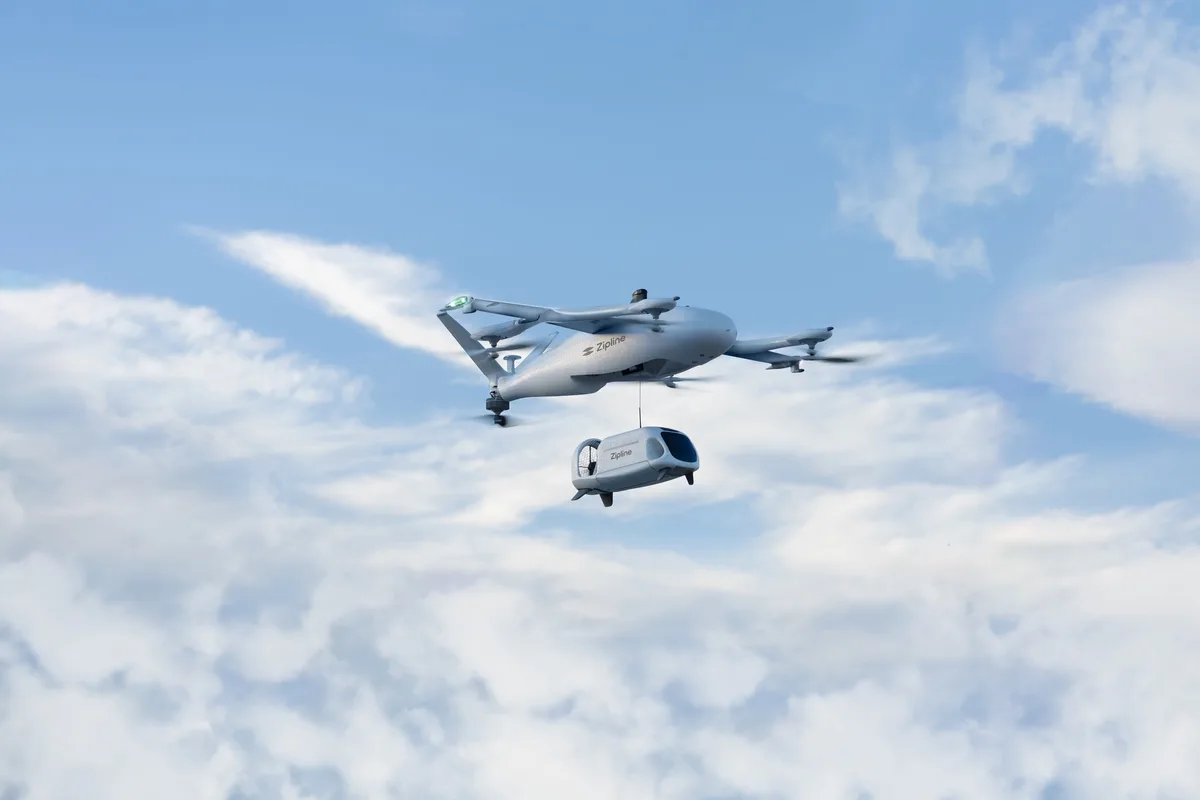
Zipline, the drone delivery company that built its reputation on medical supply logistics in Africa, is making a calculated bet that the U.S. market is finally ready for autonomous aerial delivery at scale. To accelerate that ambition, the company has recruited a cohort of executives whose résumés read like a who's who of the last decade's most disruptive mobility ventures — veterans of Tesla, Uber Eats, and Waymo.
The strategic logic behind these hires is hard to miss. Tesla alumni bring deep experience in manufacturing scale and consumer hardware; Uber Eats veterans understand last-mile logistics networks and the behavioral economics of on-demand delivery; and Waymo executives carry hard-won expertise navigating the regulatory and technical complexity of deploying autonomous systems on American roads — experience that translates readily to American skies. Together, they signal that Zipline is not merely iterating on its existing model but preparing for a substantially more complex operational environment.
Read more Ingredion Wins Tate & Lyle With 595p All-Cash Takeover Bid →
Drone delivery in the United States has long been described as perpetually five years away, stalled by FAA certification hurdles, public skepticism, and infrastructure gaps. Zipline's move to load up on experienced commercial-scale operators suggests the company believes those barriers are finally becoming surmountable — and that the window for establishing market leadership is opening now. Bringing in executives who have already navigated regulatory and scaling battles at other frontier-technology companies compresses the learning curve considerably.
What makes this moment worth watching is the broader competitive context. Amazon, Wing, and a clutch of well-funded startups are all racing toward the same prize: routine drone delivery woven into American consumer life. Zipline's talent strategy appears designed to leapfrog the operational adolescence that has hobbled rivals, turning executive experience into a structural competitive advantage rather than simply adding headcount.
Continue reading at US Top News and Analysis.