25 States Sue Trump Over Global Tariffs in Legal Escalation
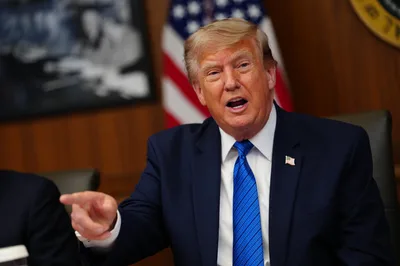
A coalition of 25 states filed suit against the Trump administration, arguing its newest global tariffs illegally circumvent court rulings.
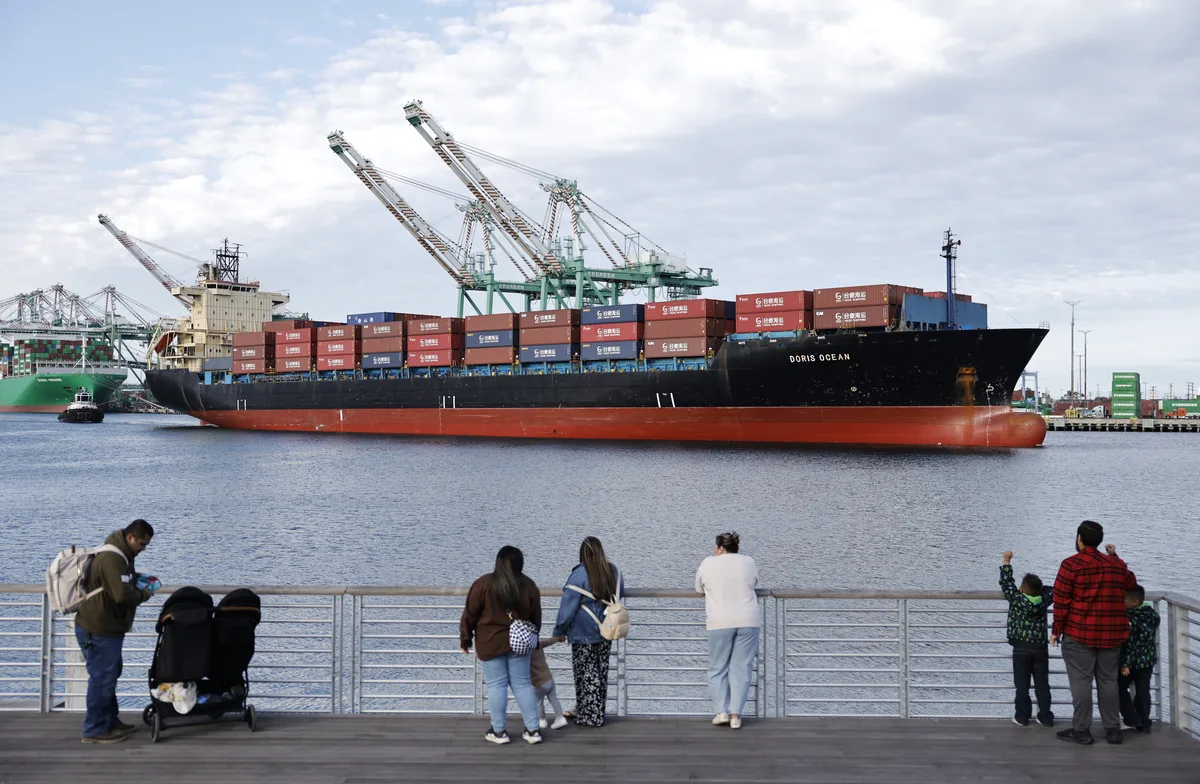
A coalition of 25 state governments has moved to block the Trump administration's latest round of global tariffs, filing a lawsuit that frames the duties as an unlawful attempt to revive trade penalties that federal courts have already invalidated. The legal challenge represents one of the broadest state-level confrontations with executive trade power in recent memory, drawing in roughly half the country's state governments as plaintiffs.
At the core of the states' argument is a separation-of-powers concern: that the executive branch cannot simply repackage tariffs that have been struck down by the judiciary and reimpose them under a different legal rationale. Courts have previously invalidated certain Trump-era duties, and the states contend the administration's workaround effectively nullifies those judicial decisions, undermining the rule of law rather than working within it.
Read more Trump Claims Iran Nuclear Talks Are Active Despite Tehran's Denials →
The lawsuit also carries significant economic weight. Broad global tariffs affect supply chains, consumer prices, and business investment across every state, giving governors and attorneys general both a political and practical stake in the outcome. By coordinating across 25 states, the coalition signals that opposition to the tariff strategy extends well beyond traditional blue-state resistance, though the political composition of the plaintiff states was not specified in the filing details available.
This legal action arrives amid an already crowded docket of tariff litigation, with multiple federal courts actively weighing the boundaries of presidential authority under trade statutes. The outcome could set precedent not only for this set of duties but for the broader question of how far an administration can go in using executive action to reshape trade policy when prior attempts have been judicially rejected. Legal analysts are likely to watch closely for whether courts treat the new tariffs as genuinely distinct or as a transparent substitution for invalidated ones.
Continue reading at US Top News and Analysis.