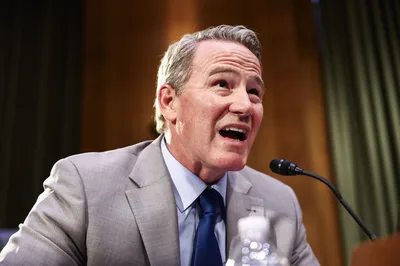
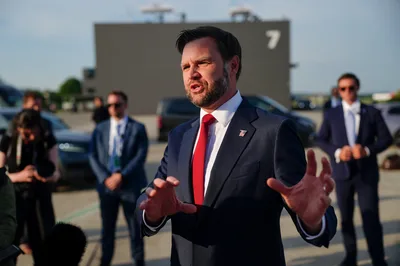
Bessent's Treasury Moves Undercut Fed Chair Warsh's Rate Authority
Treasury Secretary Bessent's market intervention to reduce borrowing costs is eroding the Fed's credibility on rate policy, experts warn.
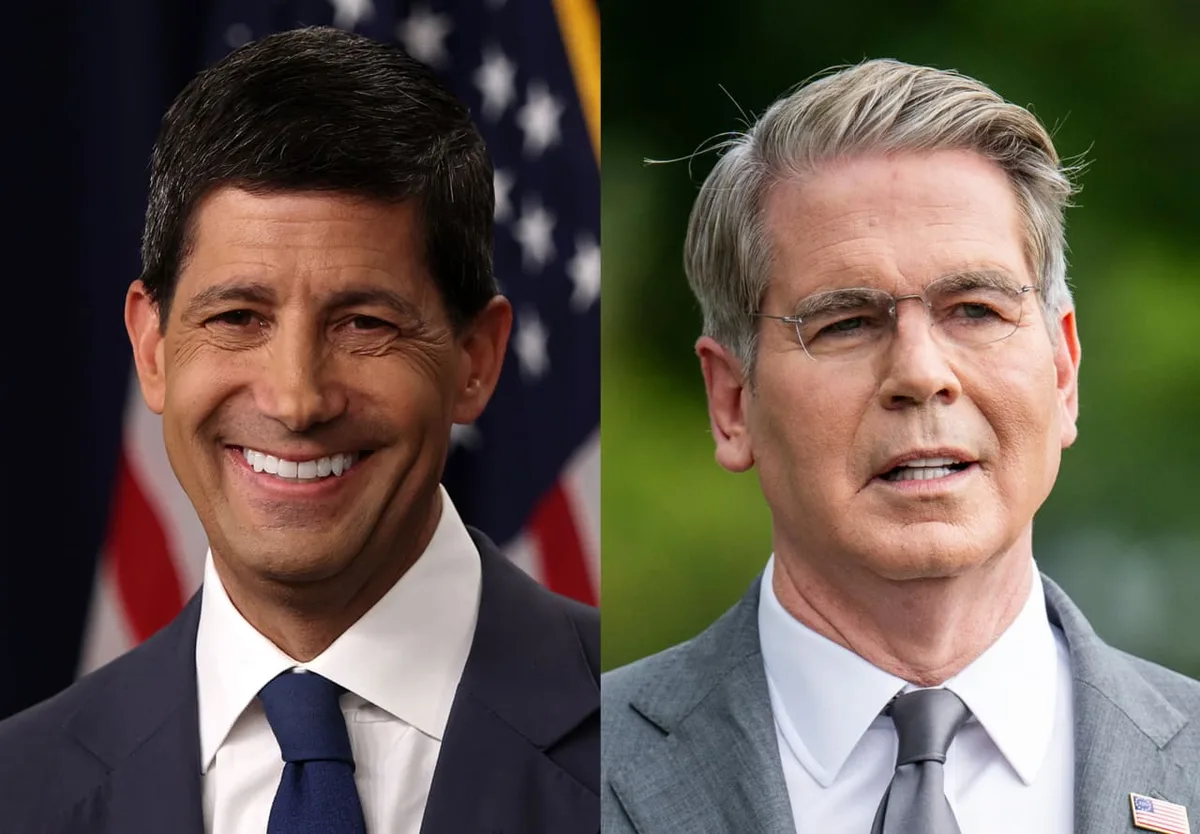
A surprising move by Treasury Secretary Scott Bessent to intervene directly in Treasury markets — with the explicit goal of pushing down government borrowing costs — is raising serious questions about the independence of monetary policy in Washington. Experts say the maneuver effectively preempts Federal Reserve Chairman Kevin Warsh's authority to set interest rates, blurring a boundary that has long been considered essential to financial stability.
The intervention marks an unusually activist posture for the Treasury Department, which traditionally limits itself to managing debt issuance rather than attempting to influence market rates. By stepping into that space, Bessent is wielding fiscal policy as a lever that competes directly with the Fed's own toolkit — creating a dynamic where two powerful institutions may be pulling in different or misaligned directions.
Read more Romania Scrambles F-16s Near Major European Gas Project →
For Warsh, the timing is particularly fraught. The Fed chair's credibility rests in large part on the market's belief that he — and not political appointees — controls the trajectory of borrowing costs. When the Treasury moves aggressively to achieve the same outcome through different means, it dilutes that credibility and may complicate how bond markets price in future rate expectations.
Broader concerns center on what this signals about the administration's appetite for institutional norms. Central bank independence has historically served as a bulwark against inflation and fiscal dominance — the condition in which government financing needs begin to drive monetary decisions rather than economic data. Analysts will be watching closely to see whether Bessent's activism is a one-time maneuver or the opening of a more sustained campaign to influence the cost of federal debt outside the Fed's formal channels.
Continue reading at MarketWatch.com