Chinese Lidar Maker Hesai Flagged as U.S. Cybersecurity Threat
Hesai Technology, a Chinese lidar firm with Nvidia ties, was designated a Chinese military entity by the Pentagon in 2024.
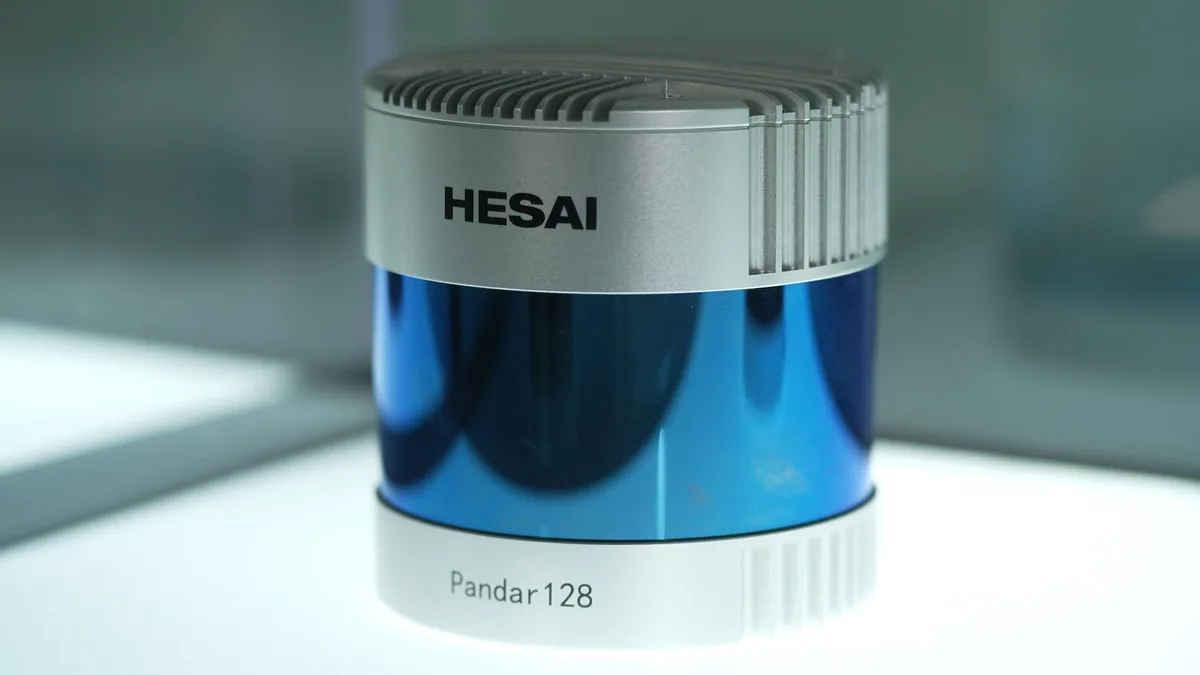
A Chinese lidar manufacturer with reported connections to Nvidia has become the latest technology company caught in the escalating crossfire between Washington and Beijing over national security. Hesai Technology was placed on a U.S. Department of Defense blacklist in 2024, formally designated as a Chinese military entity — a label that carries significant legal and commercial consequences for any American company doing business with the firm.
The Pentagon's designation reflects a broader pattern of scrutiny directed at Chinese technology suppliers whose hardware or software could theoretically be leveraged for surveillance, data collection, or interference within critical U.S. infrastructure. Lidar — a remote sensing technology that uses laser pulses to map environments in three dimensions — has become foundational to autonomous vehicles, robotics, and smart city systems, all of which generate sensitive spatial and positional data.
Read more Iran Holds Strait of Hormuz Talks With Saudi Arabia and Oman →
The Nvidia connection adds a layer of complexity to the case. Nvidia's chips are widely used across the global technology supply chain, and associations with a blacklisted entity raise questions about how deeply intertwined American semiconductor ecosystems have become with companies that U.S. defense officials now consider security liabilities. It also puts pressure on American partners and investors to reassess their exposure.
Hesai's blacklisting is part of a sustained Defense Department effort to identify and publicize Chinese companies it believes support the People's Liberation Army, even indirectly. The designation does not automatically ban commercial transactions, but it creates reputational and regulatory friction that can effectively isolate a company from U.S. markets over time. For Hesai, which competes in a global lidar market alongside American and European rivals, the label poses a direct threat to its international growth ambitions.
Continue reading at US Top News and Analysis