Circuit Split on Prediction Markets Heads Toward Supreme Court
A 9th Circuit ruling that sports event contracts aren't swaps directly contradicts a 3rd Circuit decision, setting up a likely high-court showdown.
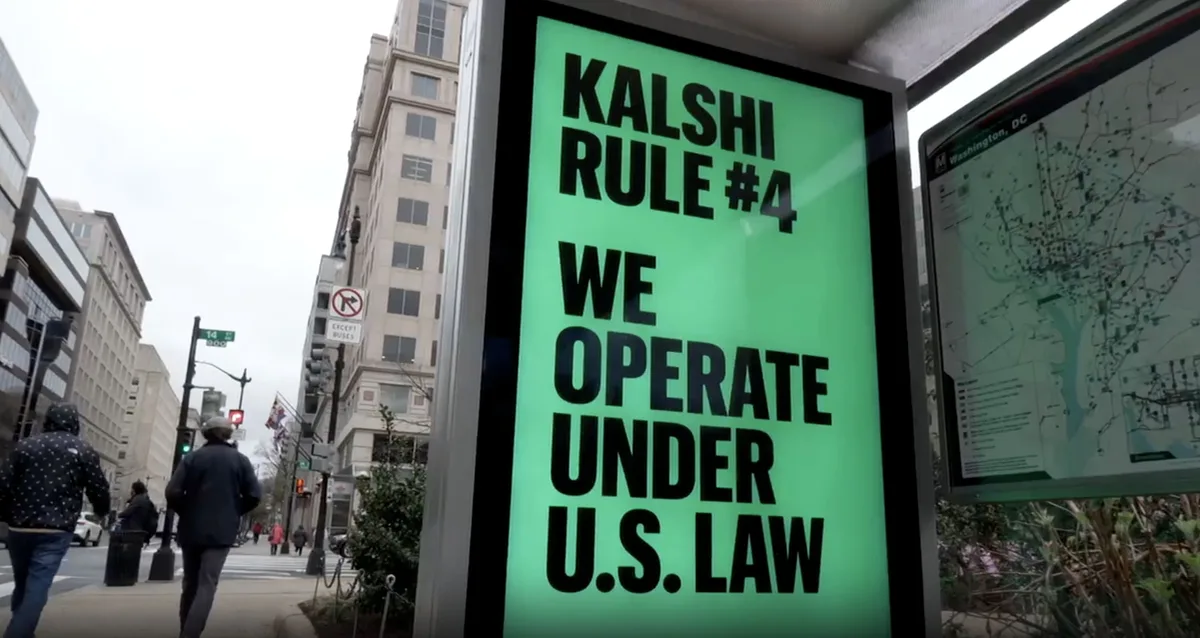
A federal appellate court has handed prediction markets a significant legal setback, with the 9th U.S. Circuit Court of Appeals ruling that sports-related event contracts do not qualify as swaps under federal law. The decision carries broad implications for the fast-growing prediction market industry, which has sought regulatory clarity as platforms offering contracts tied to elections, sports outcomes, and other real-world events have surged in popularity.
The ruling places the 9th Circuit in direct conflict with the 3rd U.S. Circuit Court of Appeals, which reached the opposite conclusion in a decision issued just months earlier in April. When two federal appeals courts interpret the same legal question differently, the stage is almost invariably set for Supreme Court intervention — the only mechanism capable of establishing a uniform national standard.
Read more FDA Clears Gilead's New Daily HIV Pill to Simplify Treatment →
The core legal question — whether event contracts tied to sports outcomes constitute swaps subject to Commodity Futures Trading Commission oversight — is more than a technical regulatory dispute. How courts classify these instruments determines which platforms can legally offer them, under what conditions, and with what consumer protections attached. A swap designation would bring prediction market contracts under a dense regulatory framework designed primarily for financial derivatives, a burden many operators argue is ill-suited to their products.
The circuit split creates immediate uncertainty for market participants, businesses, and regulators operating across different jurisdictions. Companies structured around one court's interpretation may find themselves legally exposed in another region, a untenable situation that typically accelerates Supreme Court review. Legal analysts will be watching whether the high court agrees to take up the case and how a ruling might reshape the regulatory architecture around an industry that has attracted both retail enthusiasm and serious institutional interest.
Continue reading at US Top News and Analysis.