Comcast's NBCUniversal Spinoff Signals M&A Appetite, but Few Viable Targets
Comcast is splitting its cable and media units, sparking deal speculation—but analysts see limited attractive acquisition options for either new company.
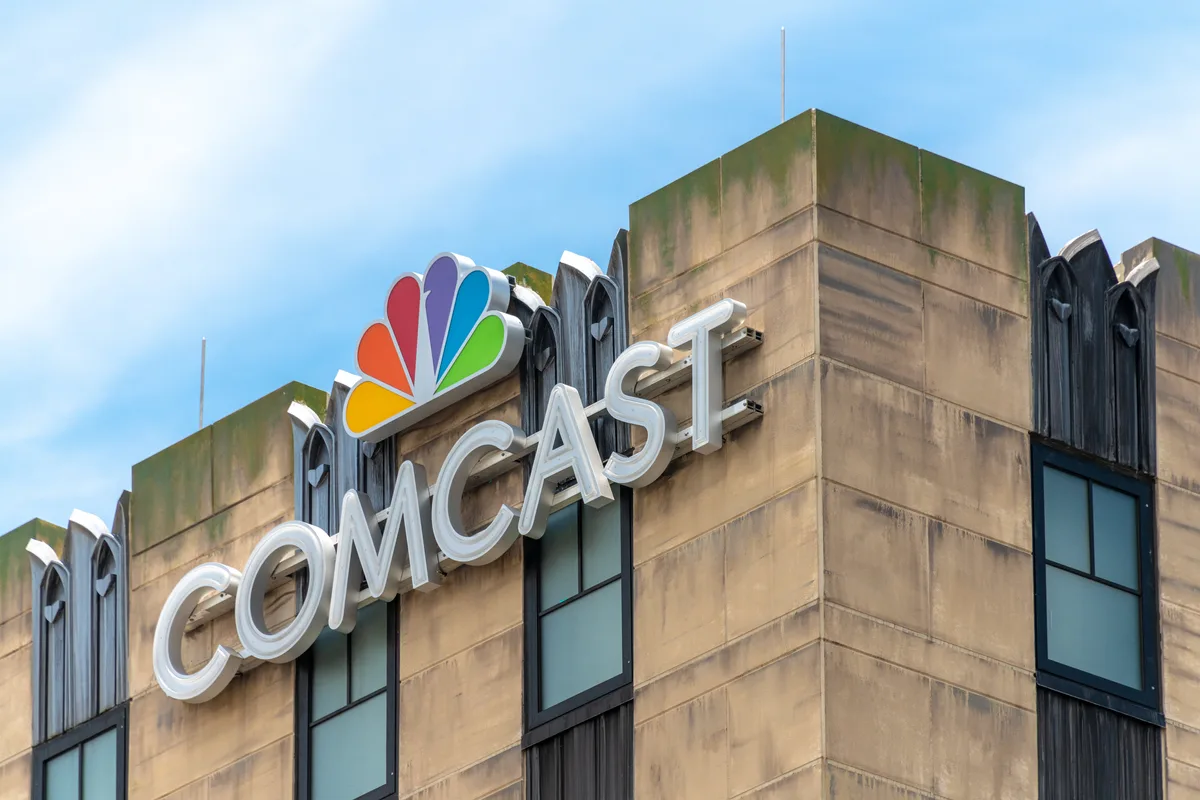
Comcast's decision to separate its cable infrastructure business from NBCUniversal marks one of the most significant structural moves in American media in years. By cleaving two fundamentally different businesses apart, the company is essentially acknowledging what investors have long argued: that a legacy cable distributor and a content-and-streaming conglomerate are poor fits under one roof, weighed down by conflicting capital needs and divergent growth trajectories.
The split is expected to unfold over roughly the next year, and Wall Street's immediate instinct is to read it as a precursor to dealmaking. A standalone cable company would carry a cleaner balance sheet and predictable cash flows, theoretically positioning it to pursue acquisitions or defend against consolidation pressure from rivals. NBCUniversal, freed from the drag of declining cable subscribers, could pursue a more aggressive streaming strategy or attract a buyer from the technology sector.
Read more Extreme Weather Is Becoming a Real Risk for AI Data Centers →
Yet the enthusiasm for deal potential may outrun the reality of available options. The media landscape has grown considerably more complicated since the last wave of mega-mergers. Regulatory scrutiny under both Republican and Democratic administrations has intensified around large-scale media combinations, and the pool of credible strategic partners has narrowed. Deep-pocketed technology giants such as Apple or Amazon could theoretically absorb NBCUniversal, but antitrust exposure and cultural friction have historically made such marriages more hypothetical than actionable.
For the cable side, the arithmetic is similarly constrained. Domestic broadband penetration is approaching saturation, and the wireless ambitions of cable operators require spectrum and infrastructure investment that limits appetite for transformative M&A. Any deal of scale would face intense scrutiny from a Federal Communications Commission still sorting out its policy posture.
What Comcast's spinoff genuinely accomplishes, regardless of whether deals materialize, is renewed strategic clarity. Investors can value each business on its own merits, management teams can allocate capital without cross-subsidizing a struggling unit, and each company can recruit leadership suited to its specific competitive environment. Whether that clarity translates into transformative transactions remains an open and genuinely difficult question. Continue reading at US Top News and Analysis.