Congress Members Buy SpaceX Stock After Record IPO Valuation
Congressional SpaceX stock purchases emerge as Elon Musk's firm expands federal contracts and maintains close White House ties.
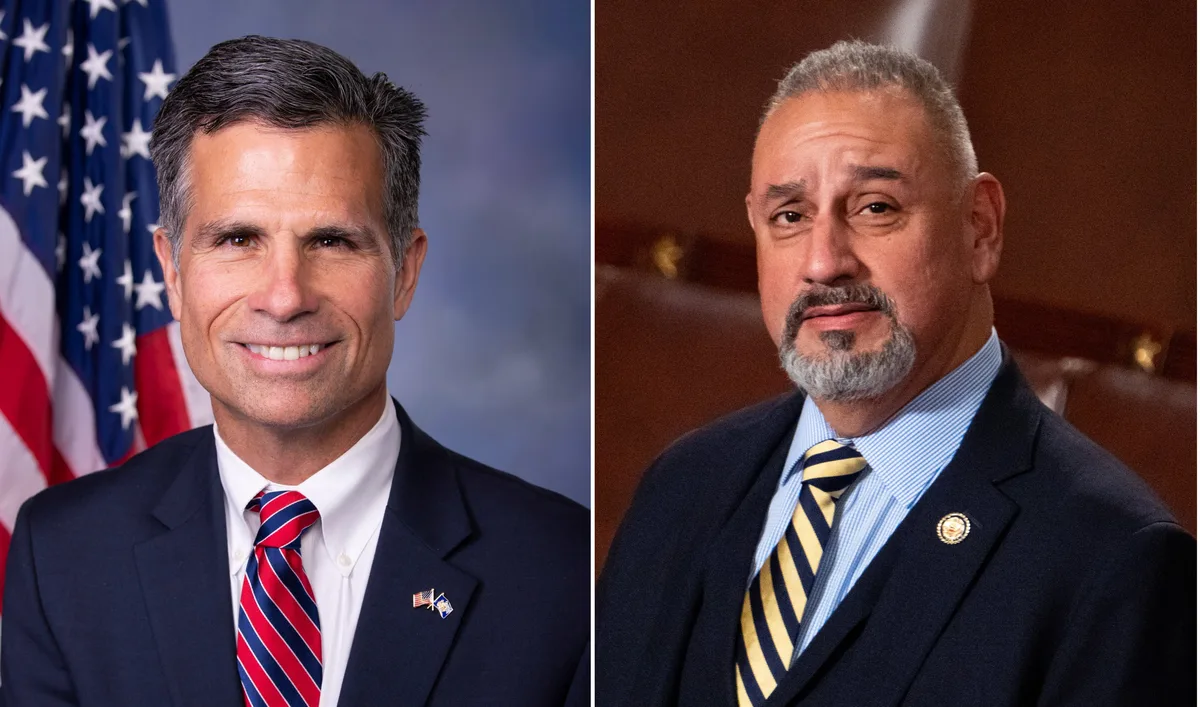
The first known purchases of SpaceX stock by members of Congress have come to light following the company's record-setting IPO valuation, raising fresh questions about the intersection of political influence, federal contracting, and personal investment decisions on Capitol Hill. The timing is notable: SpaceX has been deepening its footprint in government contracts even as its founder, Elon Musk, maintains an unusually close relationship with President Donald Trump's administration.
SpaceX occupies a singular position in the American aerospace and defense landscape, simultaneously functioning as a private enterprise and a critical infrastructure provider for federal agencies ranging from NASA to the Department of Defense. That dual role makes congressional stock ownership in the company a matter of heightened scrutiny, since legislators who hold shares may also vote on appropriations and oversight measures that directly affect the company's bottom line.
Read more Iran Holds Strait of Hormuz Talks With Saudi Arabia and Oman →
The revelation surfaces against a broader backdrop of ongoing debate over whether members of Congress should be permitted to trade individual stocks at all. Reform advocates have argued for years that lawmakers with access to non-public policy information are structurally positioned to profit in ways ordinary investors cannot. SpaceX's entanglement with executive-branch priorities — and Musk's own advisory role in Washington — adds a layer of complexity that goes beyond typical stock-ownership conflicts.
Analysts watching the convergence of private space industry growth and federal spending will likely view these disclosures as a bellwether for how Capitol Hill navigates investment ethics in an era when a handful of technology and aerospace companies dominate both markets and public policy conversations. The pattern of ownership, once it becomes more fully documented, could accelerate pressure for stronger financial disclosure and trading restrictions on elected officials.
Continue reading at US Top News and Analysis