Crypto Regulation Faces a Congressional Clock This Summer
Congress heads into recess with crypto legislation still unresolved, leaving the industry in a familiar state of regulatory limbo.
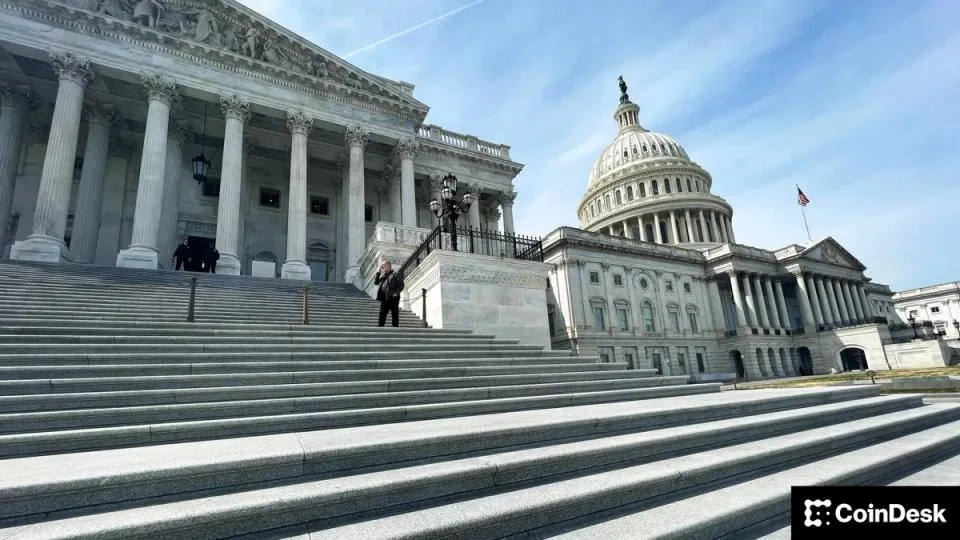
The intersection of legislative calendars and digital asset policy has become one of the more consequential pressure points in American finance. As Congress moves toward its summer recess, the crypto industry finds itself once again watching the clock, hoping that the momentum behind regulatory clarity can survive the interruption of Washington's seasonal slowdown.
The push for comprehensive crypto legislation has been building for months, driven by a combination of industry lobbying, high-profile market events, and growing bipartisan acknowledgment that the current patchwork of enforcement-driven oversight is inadequate. Yet the gap between political will and legislative output remains wide, and recesses have historically proven to be momentum-killers for complex financial bills that lack urgent political backing.
Read more Iran Holds Strait of Hormuz Talks With Saudi Arabia and Oman →
What makes this moment distinct is the degree to which crypto has embedded itself into mainstream financial conversations. Institutional adoption, the approval of spot Bitcoin ETFs, and the sheer scale of retail participation have raised the stakes for inaction. Regulators and lawmakers alike are under pressure to define who oversees digital assets, how stablecoins are treated, and what consumer protections should look like — questions that remain officially unanswered despite years of debate.
The analytical case for urgency is straightforward: regulatory ambiguity creates competitive disadvantages relative to jurisdictions like the European Union, which has moved forward with its MiCA framework. American crypto firms operating without clear rules face compliance uncertainty that shapes hiring, product development, and capital allocation decisions in real time. Every legislative delay has a measurable, if hard to quantify, cost to the sector's domestic growth.
Whether Congress returns from recess with renewed focus or allows the legislative window to narrow further will be a defining signal for the industry's near-term trajectory. Continue reading at CoinDesk.