E.l.f. Beauty Profits Double on $50M Tariff Refund Windfall
A $50 million tariff refund helped E.l.f. Beauty nearly double its profits in the fiscal first quarter, highlighting how trade policy can reshape earnings.
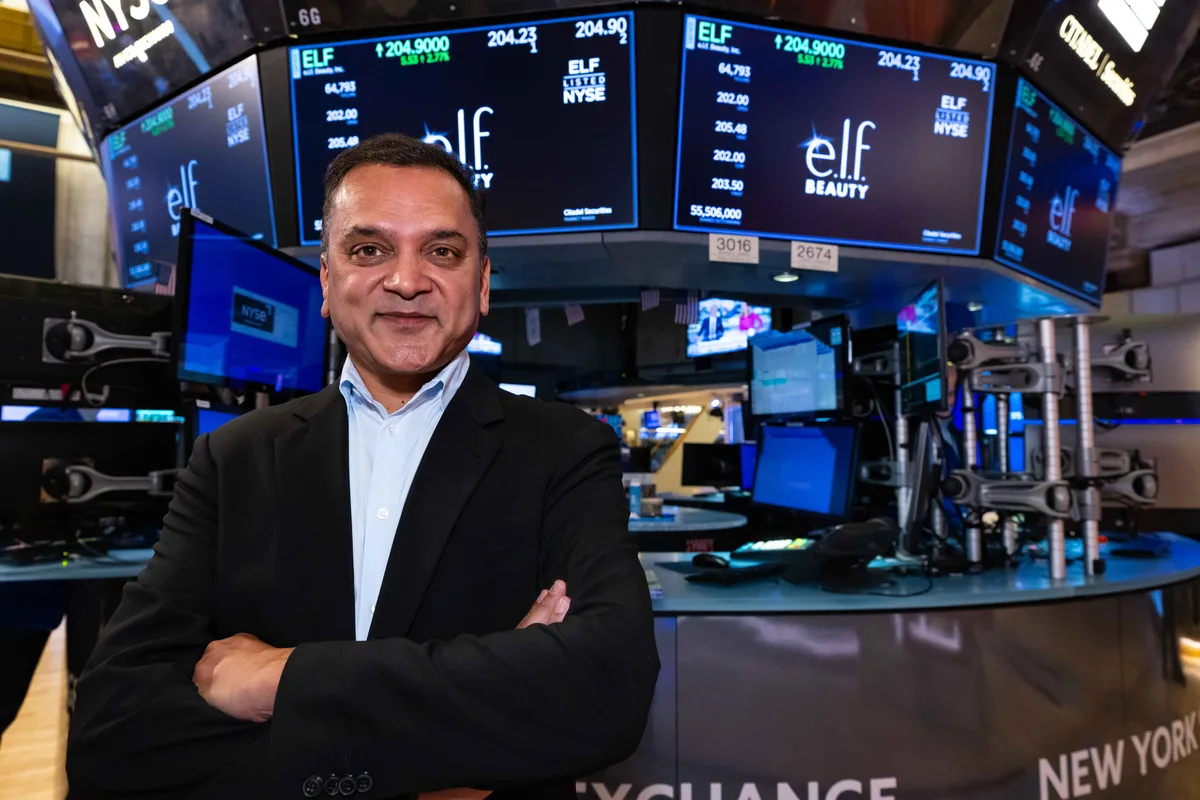
E.l.f. Beauty posted a dramatic surge in profitability during its fiscal first quarter, with earnings nearly doubling after the cosmetics company received $50 million in tariff refunds. The unexpected windfall underscores just how consequential trade policy mechanics — often dismissed as arcane customs disputes — can be for a consumer brand's bottom line.
Tariff refunds, sometimes called duty drawbacks or retroactive exclusions, typically occur when companies successfully challenge import levies they previously paid, or when government agencies grant retrospective relief on goods sourced from countries subject to elevated duties. For E.l.f., which has relied heavily on manufacturing in China, tariff costs have been a persistent pressure point in recent years as U.S.-China trade tensions kept import duties elevated.
Read more Apple's Next CEO Makes First Move in Post-Cook Era →
The timing is notable. A 100% surge in profits driven substantially by a one-time government refund rather than organic sales growth raises important questions about the sustainability of those earnings. Investors and analysts will likely scrutinize whether underlying demand and margin trends can hold once the tariff tailwind fades — a scenario that is virtually inevitable for any refund-driven boost.
Broader context matters here as well. E.l.f. has been one of the more resilient players in the mass-market beauty segment, capitalizing on consumers trading down from prestige brands during inflationary periods. That structural tailwind is real and ongoing. But conflating a regulatory refund with operational momentum could give an overly rosy picture of the company's core business trajectory heading into the remainder of the fiscal year.
For corporate strategists and investors watching the consumer sector, E.l.f.'s quarter serves as a timely reminder that trade policy is not merely a geopolitical abstraction — it is a direct lever on corporate cash flows, capable of turning an ordinary quarter into a headline-grabbing one. Continue reading at US Top News and Analysis.