Fed Holds Rates Steady in Continued Pause Amid Policy Uncertainty
The Federal Reserve kept benchmark interest rates unchanged, prolonging its wait-and-see approach as markets look to Kevin Warsh for future direction.
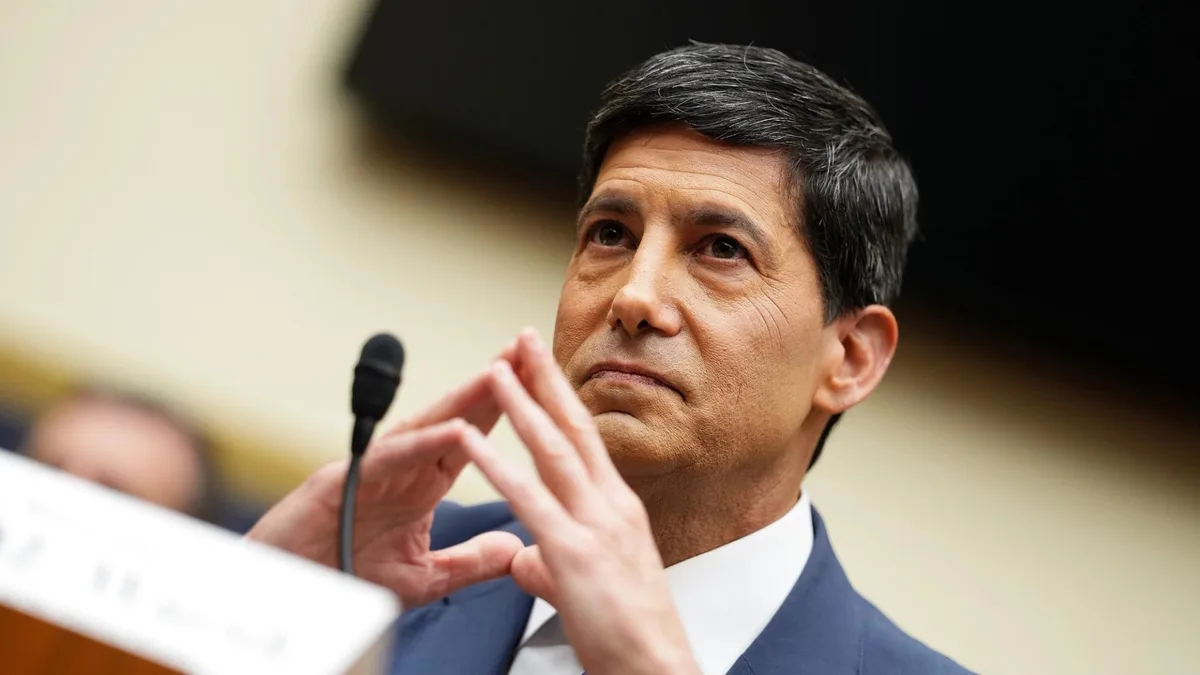
The Federal Reserve opted once again to hold interest rates steady, extending a pause that has become the defining posture of monetary policy in this uncertain macroeconomic moment. The decision signals that policymakers remain unwilling to commit to either cuts or hikes until clearer signals emerge from the economy — a stance that is increasingly testing the patience of investors and market participants alike.
Central to the forward-looking conversation is Kevin Warsh, the former Fed governor widely discussed as a potential future chair, whose policy roadmap is being closely watched by financial markets. Warsh's known skepticism of prolonged accommodation and his emphasis on institutional credibility suggest that any shift in Fed leadership could meaningfully alter the trajectory of rate decisions, even if near-term policy remains frozen.
Read more Five Key Takeaways From the Fed's Latest Rate Decision →
The Fed's hold reflects a broader tension the central bank has struggled to navigate: inflation has retreated from its peak but has not fully surrendered to the 2% target, while the labor market remains resilient enough to forestall emergency cuts. This middle-ground reality leaves the Fed in a holding pattern that is neither stimulative nor restrictive in the traditional sense — a gray zone that complicates guidance for businesses, borrowers, and investors.
For markets, the practical implication of an extended pause is a prolonged period of rate-sensitive uncertainty. Asset classes from equities to crypto to fixed income are all pricing in competing scenarios — some anticipating eventual cuts, others hedging against a higher-for-longer regime that could persist well into the next policy cycle. The absence of a clear catalyst for movement in either direction amplifies volatility risk.
What happens next may depend less on incoming data and more on the personnel and philosophy that ultimately shape the Fed's leadership. Continue reading at CoinDesk.