Ford CEO Pushes for Trade Fairness as USMCA Talks Resume
Ford's CEO is calling for a level playing field with Toyota and GM on imports as North American trade negotiations reopen under USMCA.
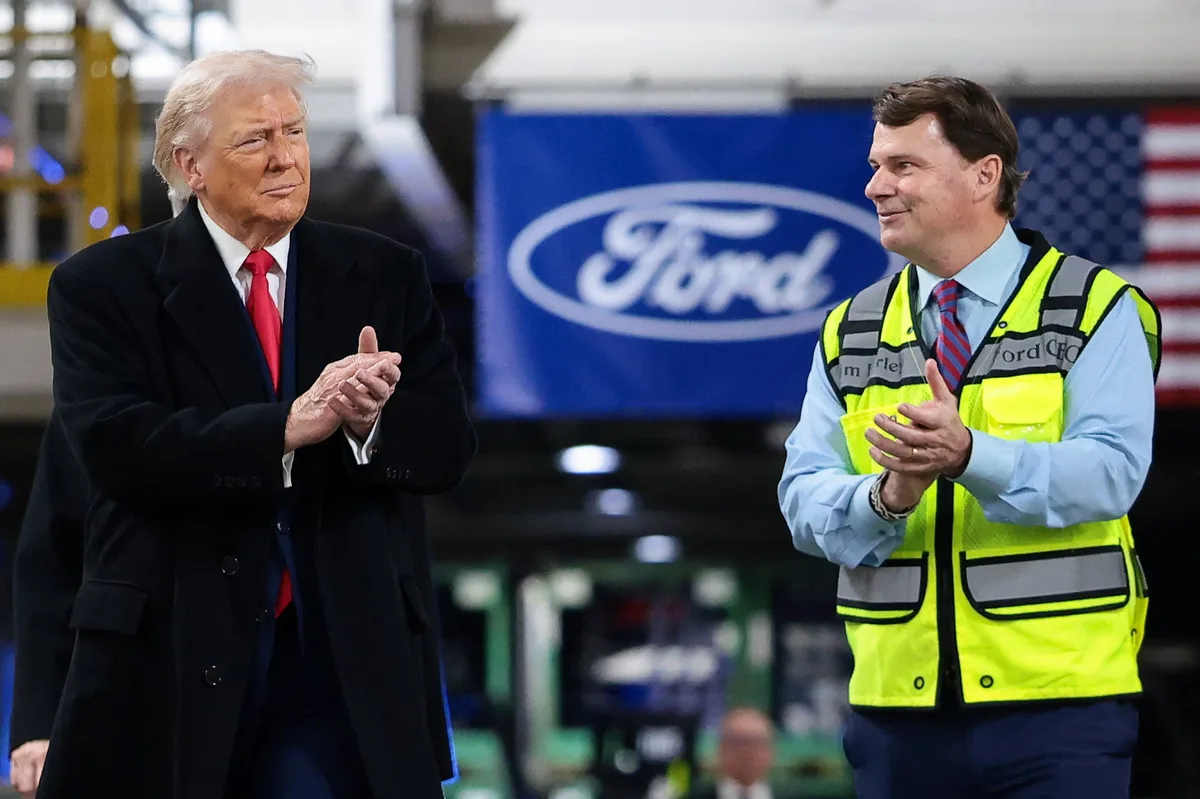
As the United States-Mexico-Canada Agreement enters a new round of negotiations, Ford Motor Company's chief executive is making a pointed case for trade equity — arguing that rival automakers benefiting from favorable import conditions should face the same rules as domestic producers. The appeal arrives at a moment when the future shape of North American automotive trade is genuinely in flux, giving Ford's lobbying effort unusual political weight.
Ford's argument rests on a foundation of manufacturing credibility. The company says it assembled more than 2 million vehicles on American soil last year, a figure it claims surpasses every other automaker operating in the country. Of those, approximately 311,000 units were built for export — a detail Ford is likely to deploy as evidence that its domestic investment creates outward economic value, not merely jobs protected behind tariff walls.
Read more Iran Holds Strait of Hormuz Talks With Saudi Arabia and Oman →
The competitive tension here is significant. When a legacy American automaker points to Toyota and General Motors as beneficiaries of an uneven import landscape, it signals that the fault lines in U.S. trade policy are not simply drawn between domestic and foreign brands. GM, which sources a meaningful share of its vehicles from Mexico and elsewhere, occupies a complicated position — as does Toyota, which has deepened its American manufacturing footprint while still importing substantial volumes.
For policymakers reopening USMCA, Ford's intervention raises a structural question: should assembly volume within the United States confer any preferential standing in trade rules, or should the agreement treat all signatories' manufacturers identically regardless of where production is concentrated? The answer will shape investment decisions across the auto sector for years to come, influencing where the next generation of electric and hybrid vehicles gets built.
Continue reading at US Top News and Analysis