Heat Emergency Hits U.S. as Energy Chief Downplays Warming
A dangerous heat event is gripping parts of the U.S. while the energy secretary publicly dismisses global warming as a minor concern.
The tension between federal climate rhetoric and lived reality sharpened this weekend as government scientists urged millions of Americans to stay indoors amid a heat emergency that is pushing temperatures into triple digits across multiple regions. The advisory reflects the kind of extreme heat event that climate researchers have long warned would become more frequent and severe as global temperatures rise — warnings that are now colliding awkwardly with the current administration's messaging.
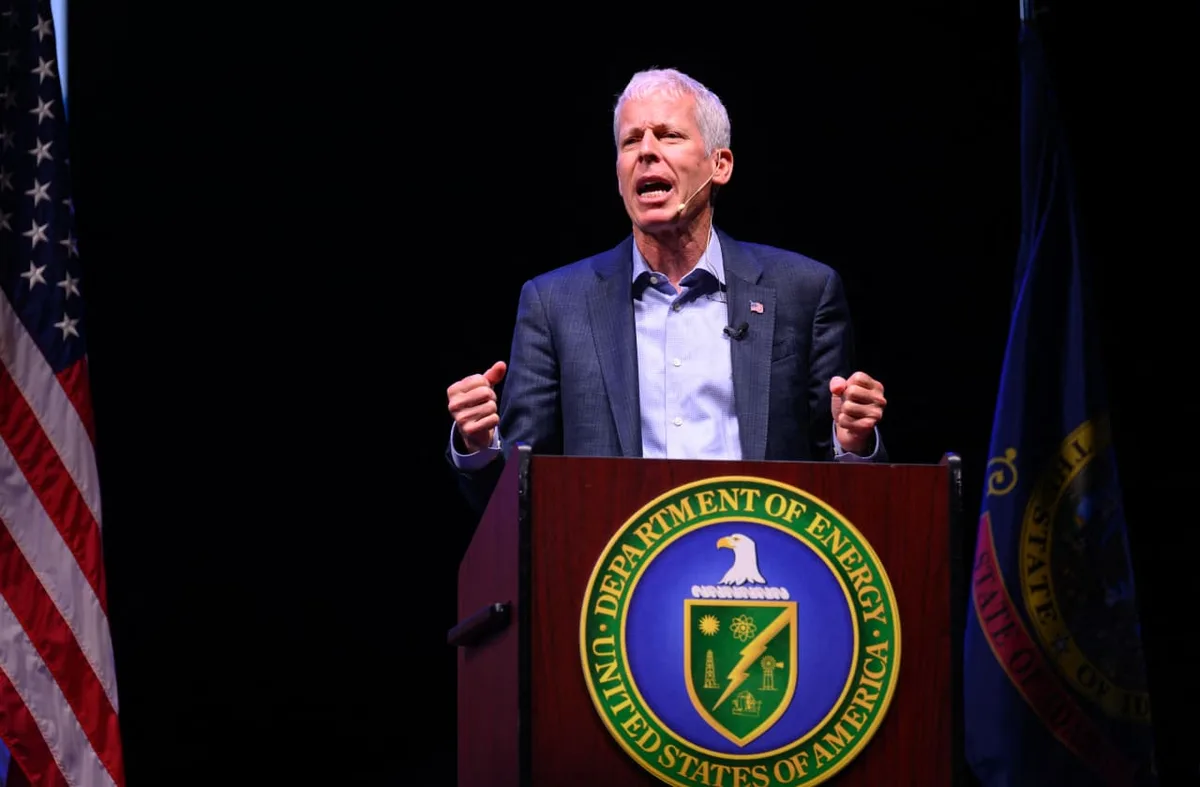
Energy Secretary Chris Wright has publicly characterized global warming as "no big deal," a framing that stands in stark contrast to the active heat emergency being tracked by the very government agencies that fall under executive branch oversight. That disconnect is more than rhetorical: it signals the degree to which the administration is willing to minimize climate science even as federal emergency infrastructure is mobilized to protect citizens from its consequences.
Read more Trump's Financial Disclosure Reveals Crypto Windfall and Expanded Holdings →
Heat is the deadliest form of extreme weather in the United States, consistently claiming more lives each year than hurricanes or floods. When temperatures breach triple digits — especially in areas where residents lack air conditioning or cannot afford to run it — the health risks escalate rapidly, falling disproportionately on the elderly, outdoor workers, and low-income communities. A government that simultaneously downplays the root cause while responding to the symptom creates a policy paradox that experts say undermines long-term preparedness.
The timing of the heat emergency also arrives amid broader federal efforts to roll back climate-related regulations and redirect energy policy toward fossil fuel expansion. Critics argue that dismissing the scientific consensus on warming makes it harder to justify the infrastructure investments — upgraded power grids, cooling centers, early warning systems — needed to manage these events as they grow more intense. Supporters of the administration counter that economic growth and energy affordability are the more pressing near-term concerns.
What the weekend's heat advisory makes clear is that the physical reality of a warming climate does not pause for political debate. Continue reading at MarketWatch.com