SEC Reconsiders Novel ETF Rules With New Public Comment Period
The SEC is rethinking how it regulates innovative ETF structures, opening a formal comment period to gather industry and public input.
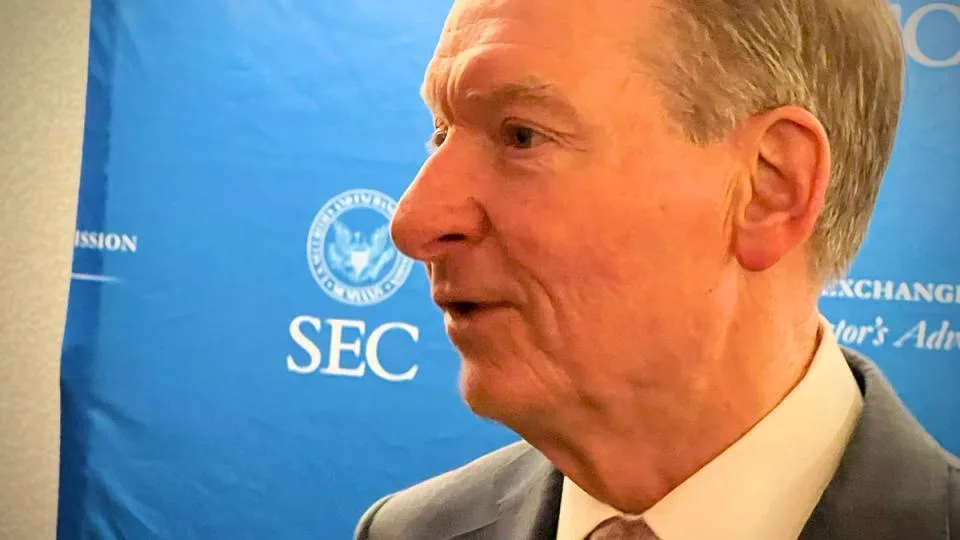
The U.S. Securities and Exchange Commission is taking a fresh look at the regulatory framework governing novel exchange-traded funds, signaling that the agency may be willing to revisit rules that have shaped — and in some cases constrained — product innovation in one of Wall Street's fastest-growing corners of asset management.
By opening a formal public comment period, the SEC is inviting input from fund managers, market participants, legal experts, and retail investors alike. This procedural step is significant: it suggests the agency is not merely tinkering at the margins but potentially reconsidering foundational assumptions about how unconventional ETF structures should be reviewed, approved, and overseen.
Read more Trump's Financial Disclosure Reveals Crypto Windfall and Expanded Holdings →
The move comes at a moment when the ETF industry has been pushing aggressively into new territory — from crypto-linked products to leveraged and options-based strategies — testing the boundaries of what existing rules were designed to handle. Regulators have faced growing pressure to either modernize their approach or risk being perpetually reactive to an industry that is evolving faster than the rule books.
For investors, the outcome of this rulemaking process could meaningfully affect the range of products available on the market, as well as the disclosures and protections attached to them. A more permissive framework could accelerate product launches; stricter guidelines could add compliance burdens that slow innovation or favor larger, better-resourced fund families.
The public comment process is a standard but consequential step in U.S. administrative rulemaking — one that can shape final rules substantially if industry stakeholders engage substantively. Watch this space closely, as the SEC's eventual direction will carry broad implications for fund sponsors and the millions of ordinary Americans who now hold ETFs in their retirement and brokerage accounts. Continue reading at CoinDesk.