House Democrat Targets Crypto in 401(k) Plans Ahead of Key Role
A influential House Democrat is pushing back against cryptocurrency in retirement accounts, a stance that could carry weight if he gains committee leadership.
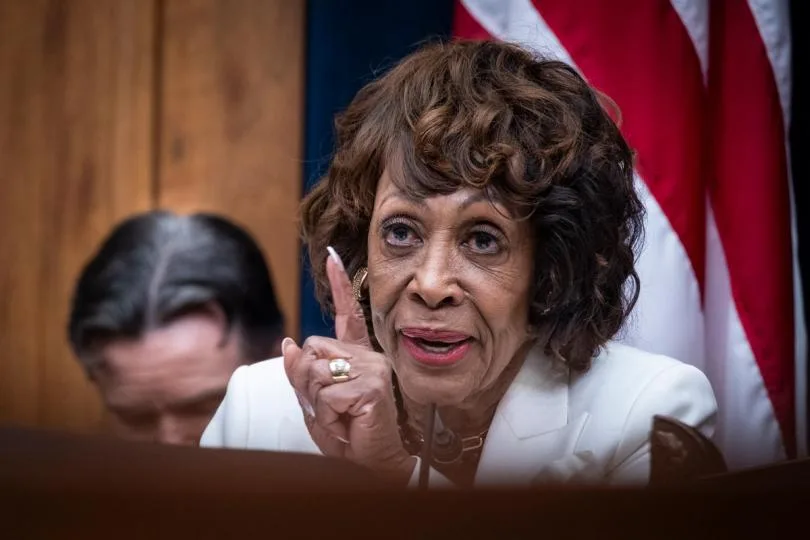
A prominent House Democrat is drawing a firm line against the inclusion of cryptocurrency in 401(k) retirement plans, a position that takes on added significance given his potential ascent to a leadership role on a key congressional committee. The lawmaker's public condemnation signals that crypto's push into mainstream retirement savings vehicles faces a meaningful political headwind from the left, even as the broader industry enjoys a more favorable regulatory climate under the current administration.
The timing matters. The cryptocurrency industry has been actively lobbying for broader access to tax-advantaged retirement accounts, viewing 401(k) inclusion as a legitimizing milestone that could funnel billions of dollars of new investment into digital assets. Fidelity Investments, for instance, moved to offer bitcoin exposure in workplace retirement plans in recent years, a move that previously drew scrutiny from the Department of Labor. Any congressional opposition from someone positioned to influence financial services legislation could slow or complicate that push.
Read more U.S. Strikes Iran After Cargo Ship Attack in Strait of Hormuz →
From a policy standpoint, the core tension is between investor choice and fiduciary responsibility. Proponents argue that workers should have the freedom to allocate a portion of their retirement savings to high-growth, alternative assets. Critics counter that the volatility inherent in crypto makes it an unsuitable anchor for accounts that millions of Americans depend on for retirement security — a concern that regulators have historically shared.
If this Democrat secures the committee role in question, the opposition could translate from rhetoric into legislative or oversight action, such as hearings, proposed amendments to retirement account rules, or pressure on regulators like the Department of Labor and the SEC. That prospect alone may give plan administrators and crypto firms reason to tread carefully as they expand their retirement product offerings.
The broader debate reflects an unresolved question at the heart of American retirement policy: how much speculative risk is appropriate inside a system built on long-term wealth preservation. Continue reading at CoinDesk.