How Biden's Loan Forgiveness Hopes Hurt Borrowers Financially
The Biden administration's ambitious student-loan forgiveness push had an unintended downside: it left many borrowers worse off financially.
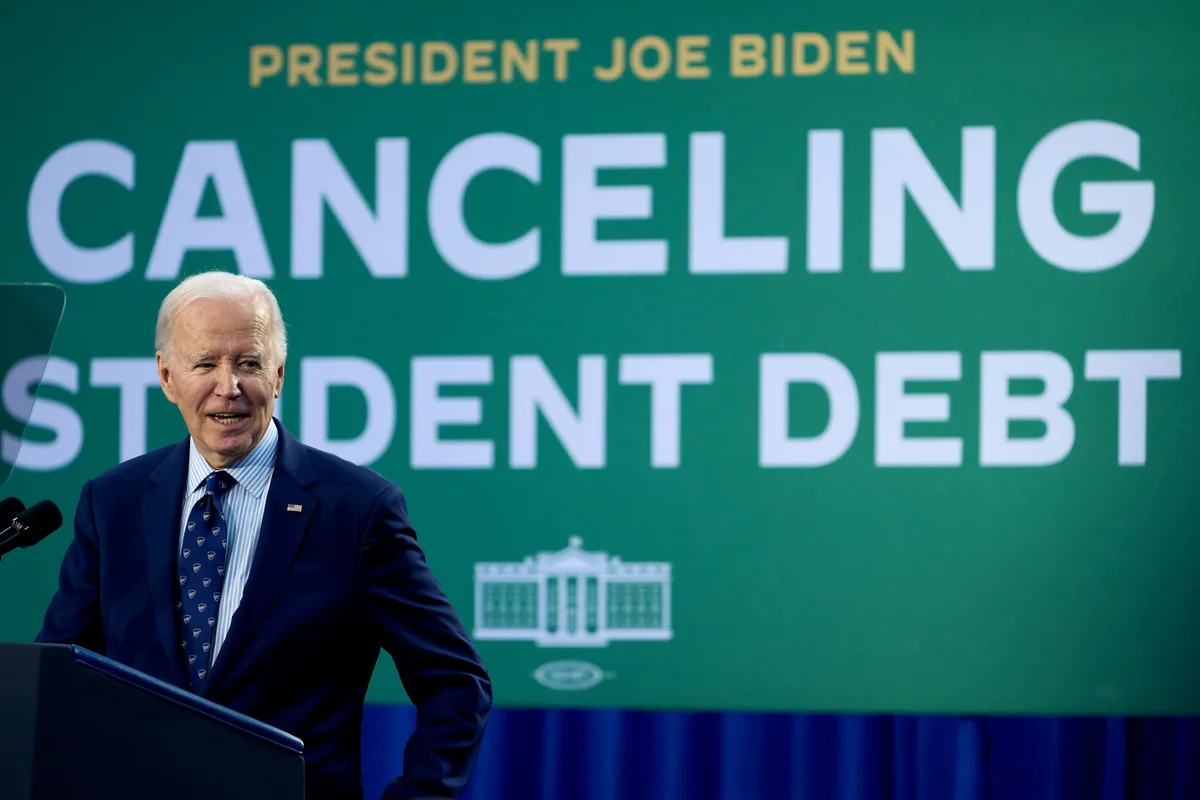
Few policy ambitions of the Biden era generated as much anticipation as the administration's repeated promises to cancel student debt. But that optimism carried a hidden cost — one borne not by the government, but by the borrowers the effort was designed to help.
When sweeping relief appears imminent, rational borrowers respond rationally: they stop paying. Why aggressively chip away at a balance that may soon be erased? The problem is that expectations of forgiveness are not forgiveness itself. When legal challenges blocked or narrowed the administration's plans, borrowers who had paused payments or restructured their financial lives around anticipated relief found themselves in a more precarious position than before the promises were made.
Read more Iran Holds Strait of Hormuz Talks With Saudi Arabia and Oman →
This dynamic illustrates a broader policy risk that analysts call the "moral hazard of anticipation" — the gap between a policy signal and its actual delivery can distort behavior in ways that compound harm. Borrowers who delayed repayment watched interest accrue. Others made major financial decisions, from home purchases to career choices, premised on a debt load they expected to disappear.
The Biden White House, according to US Top News and Analysis, did not merely fail to deliver on its forgiveness goals — its high-profile pursuit of them actively reshaped how millions of Americans managed their debt, often to their detriment. That outcome raises difficult questions about how administrations communicate policy ambitions that remain legally or legislatively uncertain, and whether the promise of relief can itself become a form of financial risk.
For policymakers, the lesson may be that transparency about a program's legal durability matters as much as the program itself. Aspirational rhetoric without a clear path to implementation does not simply fall short — it can leave the people it targets measurably worse off. Continue reading at US Top News and Analysis.