How Starbucks Engineered a Brand and Sales Turnaround
Trendier drinks, faster service, and expanded food offerings helped Starbucks reverse its recent struggles and beat earnings expectations.
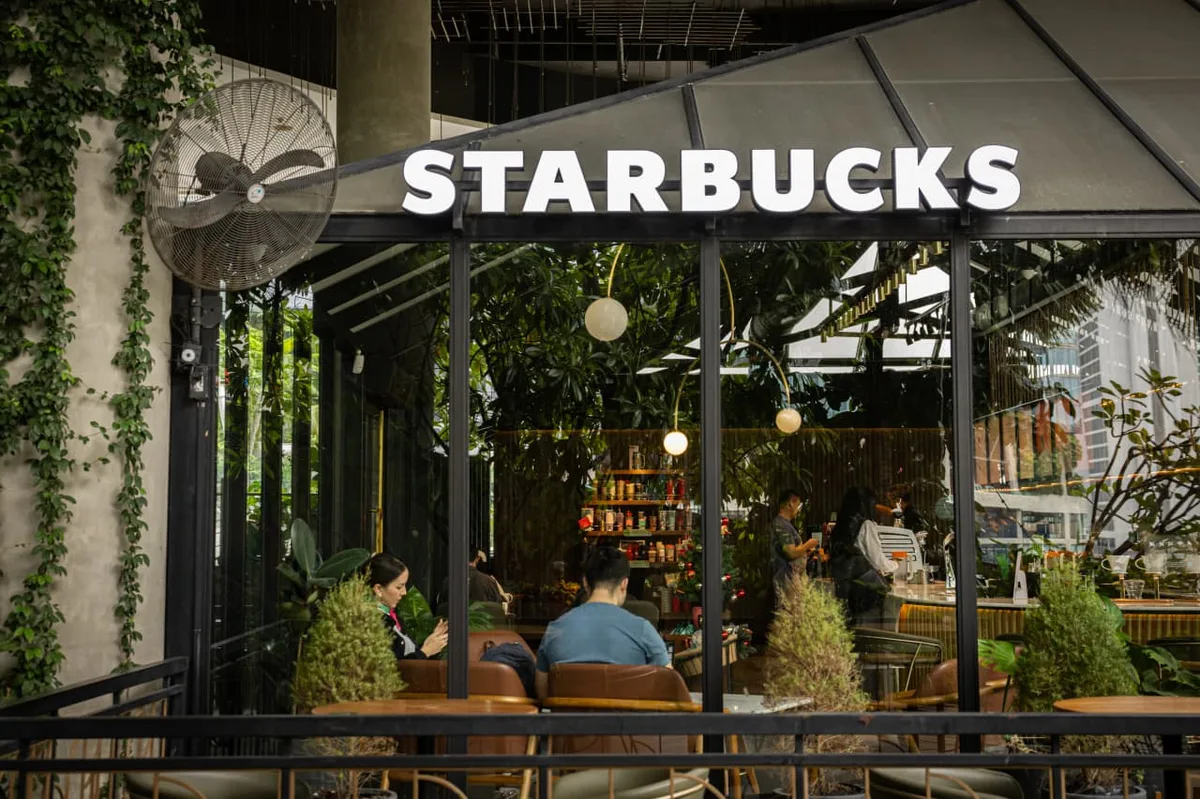
Starbucks appears to be clawing back its cultural relevance after a prolonged rough patch, and the mechanism driving that recovery is more operational than magical. The coffee giant leaned into three interconnected levers — product innovation, service speed, and a broader food menu — to arrest a slide that had rattled investor confidence and prompted leadership changes at the top.
The product dimension matters most symbolically. For years, Starbucks faced a peculiar identity squeeze: too expensive for casual coffee drinkers, yet no longer exciting enough for the trend-conscious consumers who once defined its brand. Introducing fresher, more culturally resonant beverages signals an effort to recapture that aspirational edge — the sense that ordering from Starbucks says something about who you are, not just what you need in the morning.
Read more Chipotle Raises Sales Forecast Amid Cyclospora Scare Impact →
Operational improvements may prove equally durable. Faster service directly addresses one of the most consistent complaints from both customers and baristas: bottlenecks during peak hours that turned a five-minute stop into a fifteen-minute ordeal. Reducing friction at the point of fulfillment lifts transaction volume and, critically, improves the experience enough to convert occasional visitors into habitual ones.
The expansion of food options is a quieter but strategically significant move. Food carries strong attachment behavior — customers who buy both a drink and a meal are harder to lose to competitors than those who come only for coffee. By deepening its food proposition, Starbucks is essentially raising the switching cost for its most valuable customers, building loyalty through routine rather than novelty alone.
Whether this turnaround proves lasting will depend on sustained execution rather than a single strong earnings cycle. Starbucks has demonstrated before that momentum can stall when operational discipline slips or when a competitor captures the cultural moment. For now, though, the numbers suggest the strategy is working. Continue reading at MarketWatch.com.