International Student Enrollment Drops as US Visa Rules Tighten
Universities expect fewer international students this fall as stricter visa policies reshape higher education demographics and campus revenues.
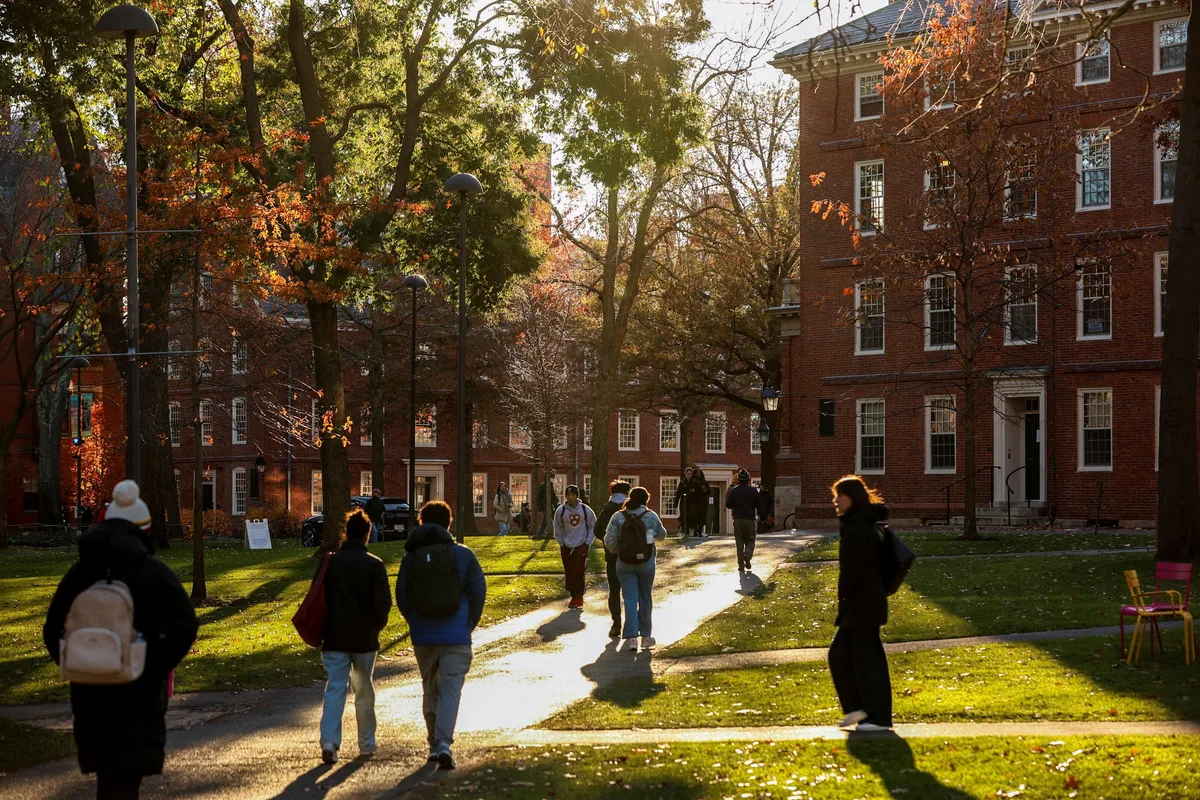
American colleges and universities are bracing for a notable decline in international student enrollment this fall, a shift driven by increasingly restrictive visa policies under the current federal administration. Reports tracking admissions trends indicate the drop is broad-based, affecting institutions that have long relied on global student populations to diversify their campuses and shore up tuition revenue.
The implications extend well beyond campus culture. International students — who typically pay full tuition and are ineligible for most forms of federal financial aid — represent a critical revenue stream for many universities, particularly those facing stagnant domestic enrollment. A sustained decline could force institutions to reconsider staffing, program offerings, and infrastructure investments that were built around sustained international growth over the past two decades.
Read more Bessent's Treasury Moves Undercut Fed Chair Warsh's Rate Authority →
The policy environment has grown notably more uncertain for prospective students abroad. Tighter visa screening, shifting diplomatic relationships, and publicized cases of visa revocations have collectively created a chilling effect, prompting some students to redirect their ambitions toward Canada, the United Kingdom, Australia, and other countries actively courting international talent. Universities in those nations have been quick to capitalize on any perception that the United States is becoming less welcoming.
For higher education administrators, the challenge is both immediate and structural. Short-term enrollment gaps are difficult to fill mid-cycle, and rebuilding trust with international student pipelines — built over years of recruitment, partnerships, and alumni networks — is not something that reverses quickly once disrupted. The current moment may signal a longer-term recalibration of where globally mobile students choose to study, with consequences that could persist well beyond any single policy cycle.
Continue reading at US Top News and Analysis.