Iran Demands Sovereignty Over Strait of Hormuz in Nuclear Talks
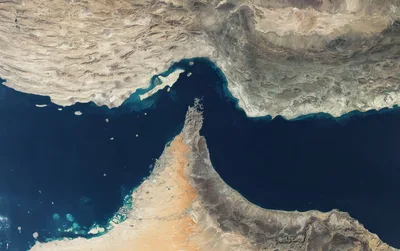
Tehran is insisting on retaining control of the Strait of Hormuz, a critical global oil chokepoint, senior Iranian sources tell Reuters.

Iran is drawing a firm line in ongoing diplomatic discussions, insisting that any emerging agreement must leave Tehran's authority over the Strait of Hormuz fully intact, according to senior Iranian sources cited by Reuters. The demand signals that Iran views control of the waterway not merely as a military asset but as a foundational element of its regional leverage — one it is unwilling to negotiate away regardless of other concessions.
The Strait of Hormuz is arguably the world's most consequential maritime chokepoint, with roughly one-fifth of globally traded oil passing through its narrow passage each day. Any Iranian move to restrict or threaten traffic there would send immediate shockwaves through energy markets worldwide, making Tehran's insistence on retaining that card a calculated posture of maximum deterrence in any negotiation framework.
Read more Iran Holds Strait of Hormuz Talks With Saudi Arabia and Oman →
The disclosure adds a significant layer of complexity to diplomatic efforts aimed at constraining Iran's nuclear program in exchange for sanctions relief. While previous rounds of talks have centered on uranium enrichment thresholds and inspection regimes, the explicit linkage of Hormuz control to broader negotiations suggests Tehran is expanding the scope of what it considers non-negotiable sovereign rights — effectively raising the stakes for any prospective deal.
For Washington and its Gulf partners, Iran's position underscores a persistent strategic tension: economic pressure through sanctions has not translated into Iranian flexibility on core security interests. If anything, the insistence on Hormuz sovereignty suggests Tehran views its ability to project force in the Persian Gulf as the ultimate insurance policy against external regime-change pressure, a dynamic that complicates the calculus for any durable diplomatic resolution.
Continue reading at Reuters.