Iran Mourners Demand Vengeance on Trump at Khamenei Funeral
Crowds at Khamenei's funeral procession voiced calls for retaliation against Trump, signaling deep tensions between Tehran and Washington.

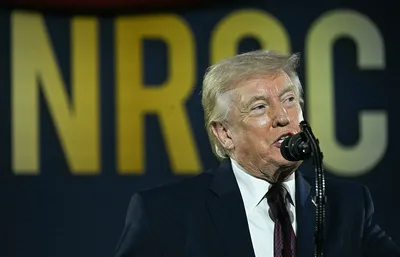
The death of Supreme Leader Ali Khamenei has set the stage for a charged political moment in Iran, with mourners lining the streets of Tehran to demand retribution against former U.S. President Donald Trump during the official funeral procession. The public outpouring illustrated how anti-American sentiment remains a central pillar of political identity within the Islamic Republic, even as grief over the loss of a decades-long leader shapes the atmosphere.
The calls for vengeance are not merely emotional expressions — they carry strategic weight at a moment when Iran faces a leadership transition and must navigate an already fraught relationship with the United States. Khamenei served as Supreme Leader since 1989, guiding the country through sanctions, regional proxy conflicts, and repeated nuclear standoffs. His death opens a period of institutional uncertainty that could either harden or reshape Iran's foreign policy posture.
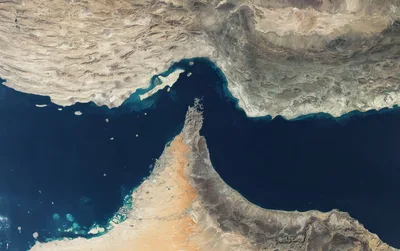
Read more Iran Holds Strait of Hormuz Talks With Saudi Arabia and Oman →
The timing of the protests against Trump is also significant given ongoing U.S.-Iran tensions over nuclear negotiations and regional influence. Analysts have long noted that anti-American rhetoric tends to intensify during moments of internal political flux in Tehran, serving both to unify domestic factions and to signal resolve to external adversaries. Whether the new leadership will translate these street-level sentiments into concrete policy shifts remains an open question.
For Washington, the optics of crowds invoking Trump's name during a major state funeral underscore how personally the bilateral conflict has been framed by Iranian leadership over the years — particularly since the 2020 U.S. drone strike that killed General Qasem Soleimani. That event remains a defining grievance in the Iranian political narrative and continues to shape public expectations of accountability.
The succession process and the ideological direction of whoever assumes Khamenei's role will be closely watched by regional governments, global energy markets, and Western capitals alike. Continue reading at Reuters.